
基于材料的毛囊工程:基本组成部分与最新进展
Materials-based hair follicle engineering: Basic components and recent advances.
作者信息
Lv Yudie, Yang Weili, Kannan Perumal Ramesh, Zhang Han, Zhang Rui, Zhao Ruibo, Kong Xiangdong
机构信息
Institute of Smart Biomedical Materials, School of Materials Science and Engineering, Zhejiang Sci-Tech University, Hangzhou, 310018, China.
Zhejiang-Mauritius Joint Research Center for Biomaterials and Tissue Engineering, Zhejiang Sci-Tech University, Hangzhou, 310018, China.
出版信息
Mater Today Bio. 2024 Oct 18;29:101303. doi: 10.1016/j.mtbio.2024.101303. eCollection 2024 Dec.
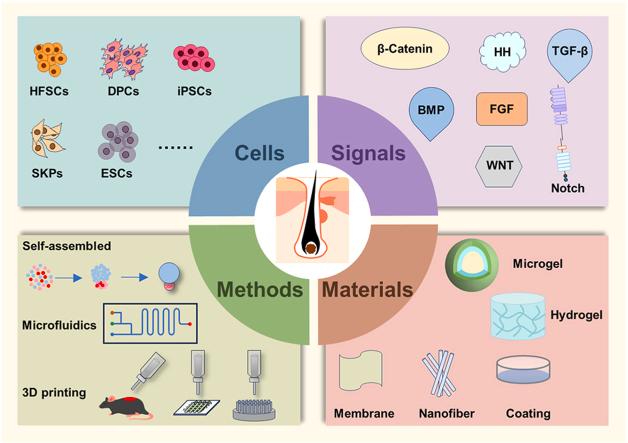
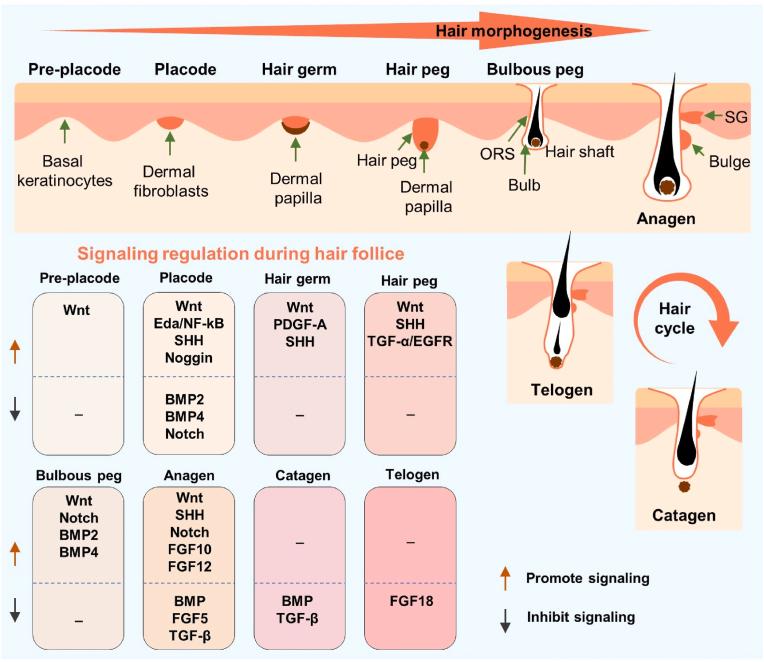
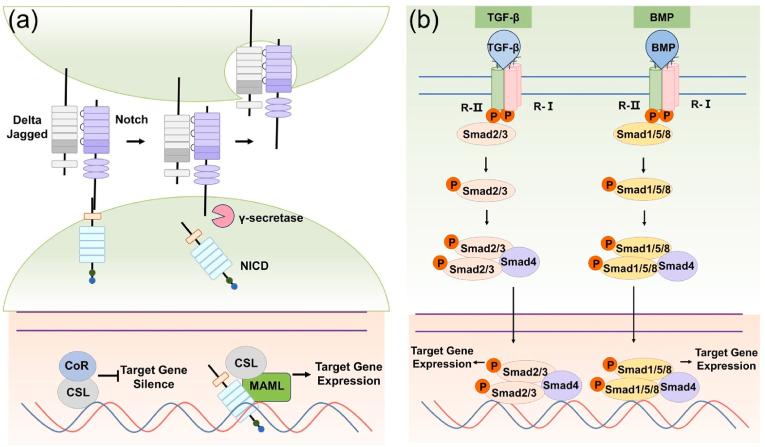
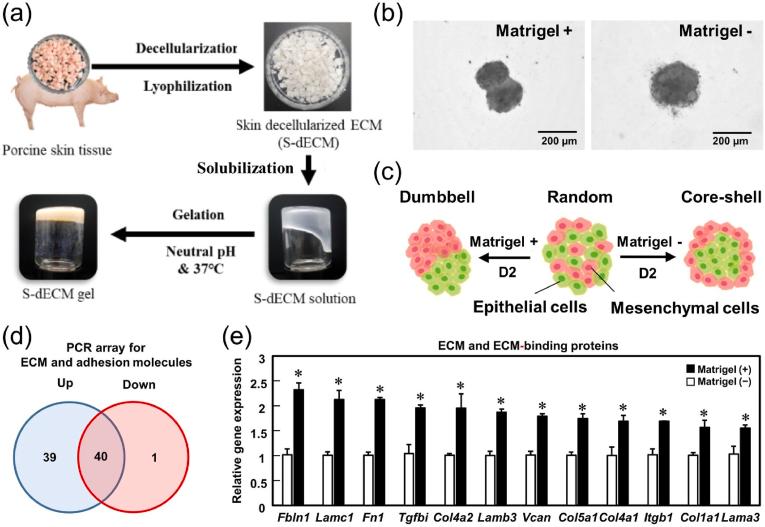
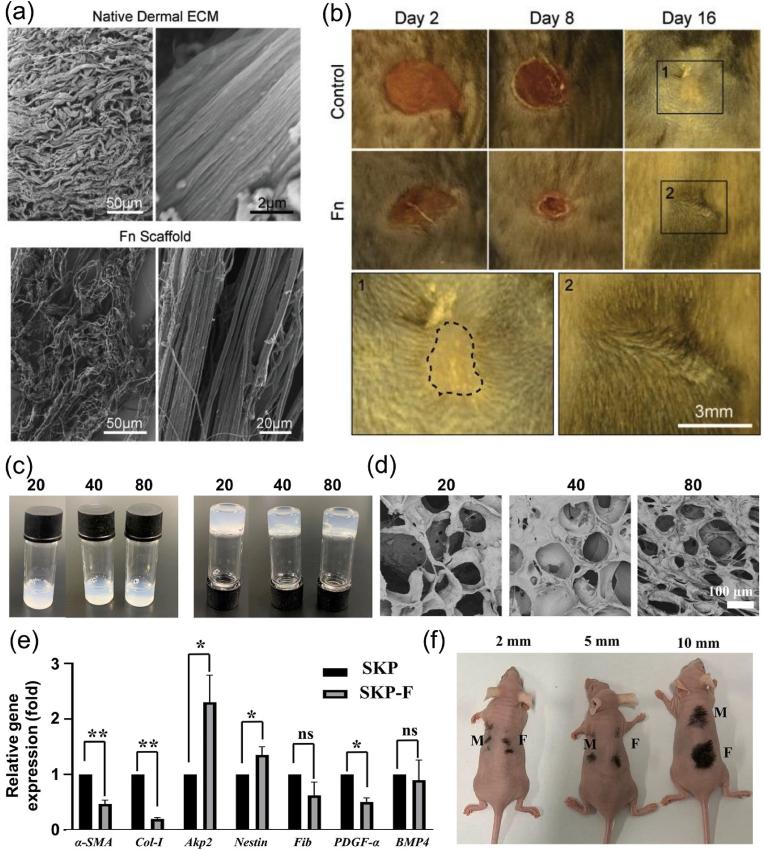
The hair follicle (HF) is a significant skin appendage whose primary function is to produce the hair shaft. HFs are a non-renewable resource; skin damage or follicle closure may lead to permanent hair loss. Advances in biomaterials and biomedical engineering enable the feasibility of manipulating the HF-associated cell function for follicle reconstruction via rational design. The regeneration of bioengineered HF addresses the issue of limited resources and contributes to advancements in research and applications in hair loss treatment, HF development, and drug screening. Based on these requirements, this review summarizes the basic and recent advances in hair follicle regulation, including four components: acquisition of stem cells, signaling pathways, materials, and engineering methods. Recent studies have focused on efficiently combining these components and reproducing functionality, which would boost fabrication in HF rebuilding ex vivo, thereby eliminating the obstacles of transplantation into animals to promote mature development.
毛囊(HF)是一种重要的皮肤附属器,其主要功能是产生毛干。毛囊是一种不可再生资源;皮肤损伤或毛囊闭合可能导致永久性脱发。生物材料和生物医学工程的进展使得通过合理设计来操纵与毛囊相关的细胞功能以进行毛囊重建成为可能。生物工程毛囊的再生解决了资源有限的问题,并有助于在脱发治疗、毛囊发育和药物筛选的研究及应用方面取得进展。基于这些要求,本综述总结了毛囊调控的基础和最新进展,包括四个方面:干细胞的获取、信号通路、材料和工程方法。最近的研究集中在有效整合这些方面并重现其功能,这将推动体外毛囊重建的制造,从而消除移植到动物体内以促进成熟发育的障碍。


 Zotero 插件