
口咽癌颈部淋巴结转移的危险因素及其对预后的影响。
Risk factors for cervical lymph node metastasis in oropharyngeal cancer and its impact on prognosis.
作者信息
Zhang Li, Li Zhilin, Wang Jing, Wang Chen, Wen Shuxin
机构信息
Shanxi Medical University, Taiyuan, China; Shanxi Province Cancer Hospital, Department of Head and Neck Surgery, Taiyuan, China; Shanxi Hospital Affiliated to Cancer Hospital, Chinese Academy of Medical Sciences, Department of Head and Neck Surgery, Taiyuan, China; Cancer Hospital Affiliated to Shanxi Medical University, Department of Head and Neck Surgery, Taiyuan, China.
Third Hospital of Shanxi Medical University, Department of Otolaryngology Head and Neck Surgery, Taiyuan, China; Shanxi Bethune Hospital, Department of Otolaryngology Head and Neck Surgery, Taiyuan, Shanxi, China.
出版信息
Braz J Otorhinolaryngol. 2025 Mar-Apr;91(2):101520. doi: 10.1016/j.bjorl.2024.101520. Epub 2024 Nov 5.
OBJECTIVE
To understand the characteristics of cervical lymph node metastasis in Oropharyngeal Squamous Cell Carcinoma (OPSCC) patients, explore the risk factors for lymph node metastasis, and its impact on prognosis.
METHODS
Retrospective cohort study. Statistical analysis of the relationship between various clinicopathological factors and lymph node involvement, as well as the independent risk factors affecting lymph node metastasis and their impact on prognosis.
RESULTS
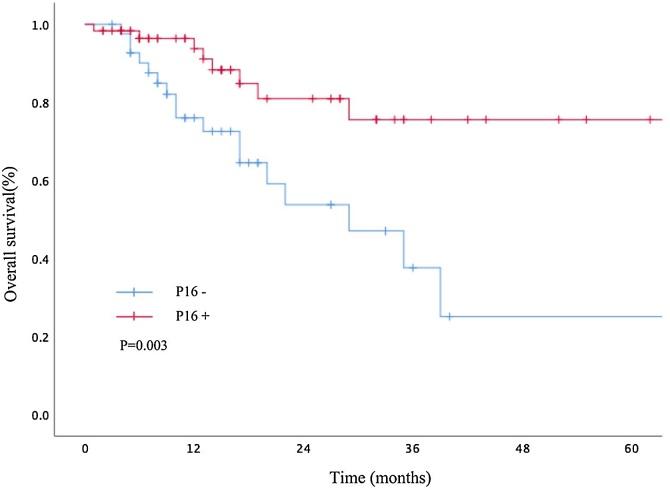
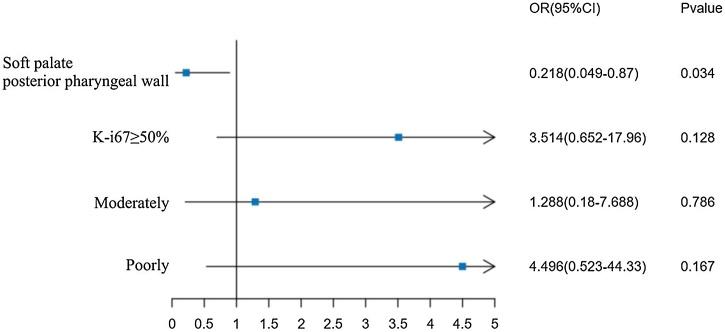
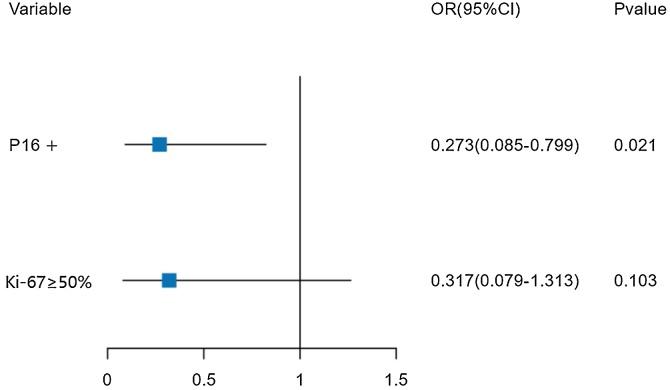
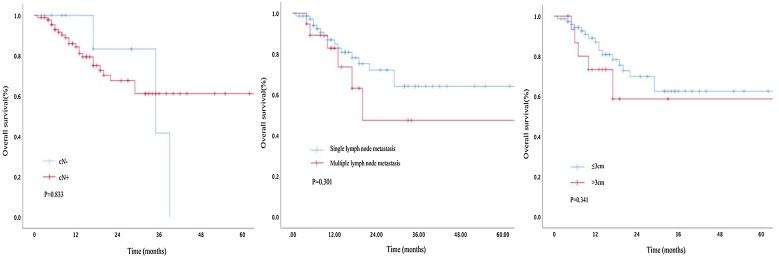
The cervical lymph node metastasis rate in this group was 89.2%, with the palatine tonsils and base of the tongue more prone to cervical lymph node metastasis (p=0.007); lower pathological differentiation of OPSCC was more likely to develop cervical lymph node metastasis (p=0.017). The P16 protein positive rate in this group was 58.8%. P16 protein expression did not affect the incidence rate of cervical lymph node metastasis in OPSCC (p=1.000) but influenced the risk of multiple lymph node metastases (p=0.011) and was a risk factor affecting the prognosis of OPSCC (p=0.003). However, the lymph node metastasis status did not affect the survival time of OPSCC patients.
CONCLUSION
In the Shanxi region of China, HPV-related OPSCC accounts for a higher proportion; OPSCC has a high rate of cervical lymph node metastasis, but lymph node metastasis does not significantly increase the mortality risk of OPSCC patients, which may be related to the unique characteristics of HPV-related OPSCC. LEVEL OF EVIDENCE Ⅳ: Retrospective cohort study.
目的
了解口咽鳞状细胞癌(OPSCC)患者颈部淋巴结转移的特征,探讨淋巴结转移的危险因素及其对预后的影响。
方法
回顾性队列研究。对各种临床病理因素与淋巴结受累之间的关系进行统计分析,以及影响淋巴结转移的独立危险因素及其对预后的影响。
结果
该组颈部淋巴结转移率为89.2%,腭扁桃体和舌根更容易发生颈部淋巴结转移(p = 0.007);OPSCC病理分化程度越低,越容易发生颈部淋巴结转移(p = 0.017)。该组P16蛋白阳性率为58.8%。P16蛋白表达不影响OPSCC患者颈部淋巴结转移的发生率(p = 1.000),但影响多区域淋巴结转移的风险(p = 0.011),并且是影响OPSCC预后的危险因素(p = 0.003)。然而,淋巴结转移状态不影响OPSCC患者的生存时间。
结论
在中国山西地区,HPV相关的OPSCC占比更高;OPSCC颈部淋巴结转移率高,但淋巴结转移并未显著增加OPSCC患者的死亡风险,这可能与HPV相关的OPSCC的独特特征有关。证据级别Ⅳ:回顾性队列研究。
 Zotero 插件