
迈向生物文化实在论:将保护与历史生态学及常识相联系。欧洲视角。
Towards biocultural realism: Connecting conservation with historical ecology and common sense. A European perspective.
作者信息
Bobiec Andrzej, Rotherham Ian D, Kırca Simay, Molnár Zsolt, Agnoletti Mauro
机构信息
Institute of Agricultural Sciences, Land Management, and Environmental Protection, University of Rzeszów, Rzeszów, Poland.
Advanced Wellbeing Research Centre, Sheffield Hallam University, Sheffield, UK.
出版信息
Ambio. 2025 Mar;54(3):505-519. doi: 10.1007/s13280-024-02089-2. Epub 2024 Nov 6.
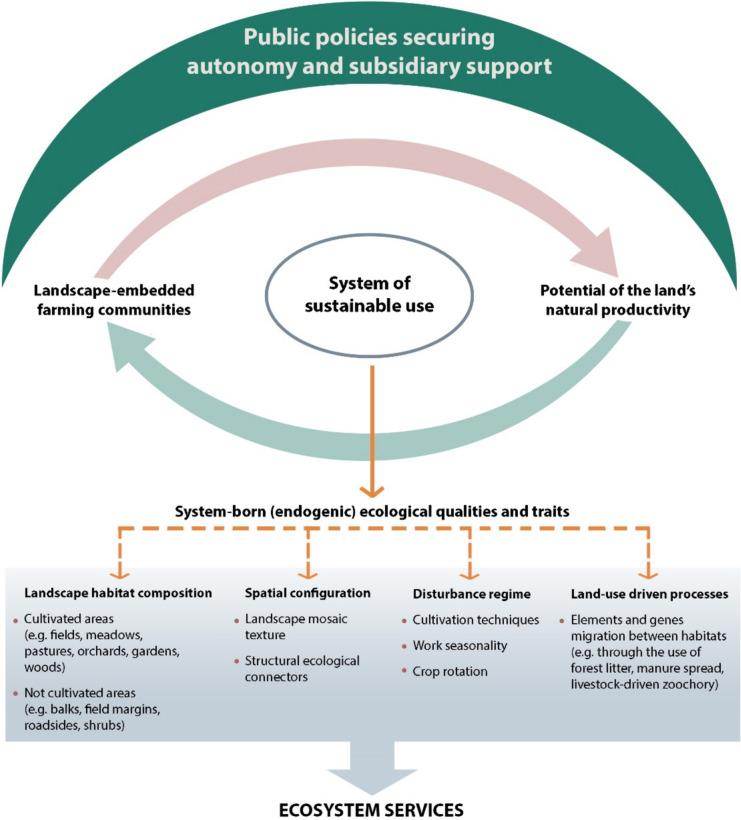
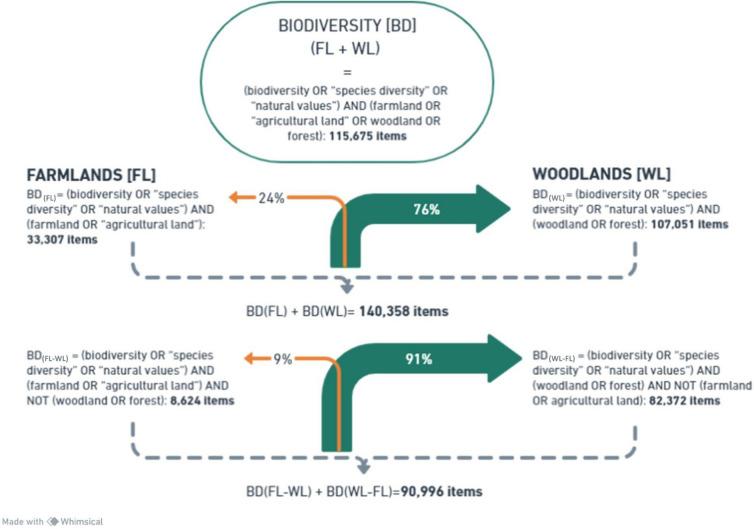
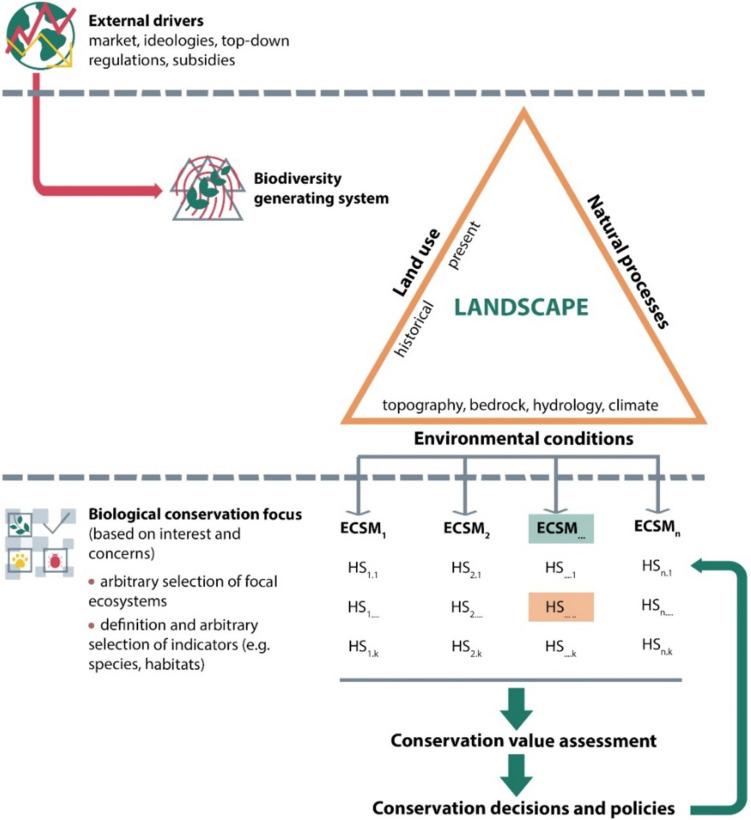
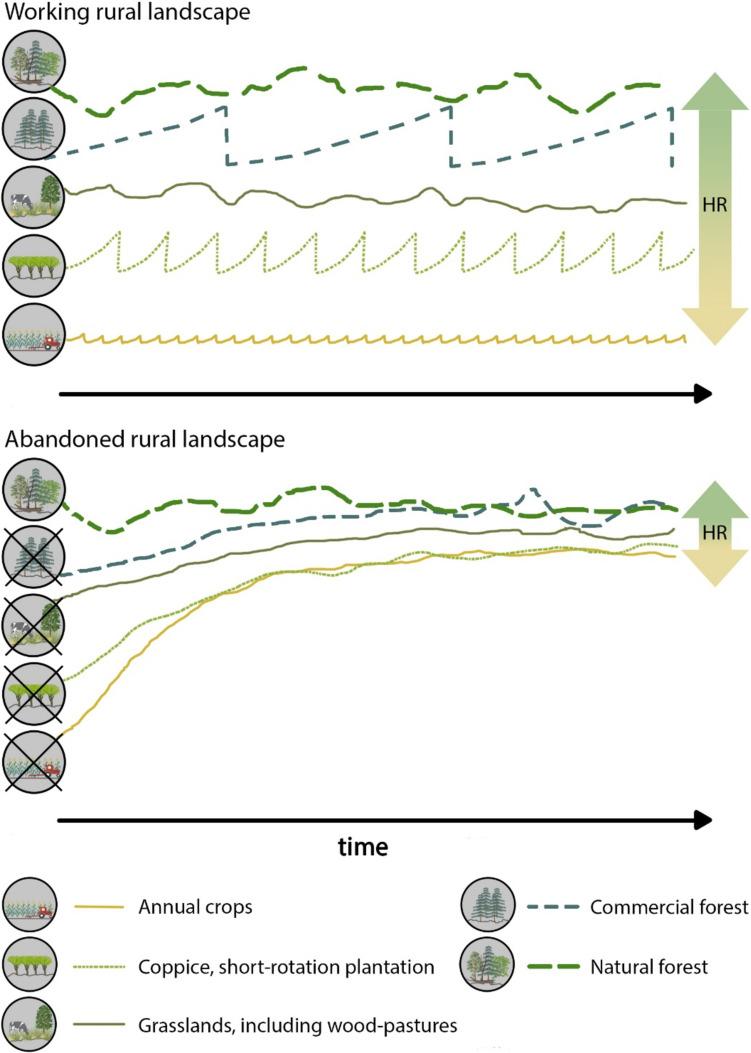
In this perspective, we present and discuss four major causes of the worldwide nature conservation failure: 1) ideologies based on nature-culture dualism, 2) the bias prioritising forests in conservation, 3) the illusory objectiveness of selected biological indicators, and 4) the mismanagement of rural agricultural landscapes. All of these relate to ignorance of historical ecology and neglect of the role past plays in shaping landscapes and fostering biodiversity. These led to a false anthropology focussed on the broader human economy (including agriculture) as the absolute culprit of biodiversity loss. It is believed, therefore, that biodiversity preservation depends on conservation policies and actions providing protection against human activities, such as farming. In this way, nature conservation has been detached from the rich experiences of long and fruitful coexistence of people with other elements of nature. The bio-cultural legacy includes biodiversity-rich rural landscapes, whose habitats are often either neglected or wrongly interpreted as "remnants of natural ecosystems". Consequently, conservation efforts are frequently ineffective or worse still, counter-effective. In the face of policies favouring subsidised intensive agribusiness at the cost of destroying smallholder family farming, even expensive conservation projects are usually nothing more than a "fig leaf" to cover failure. We advocate re-focussing of conservation planning to put more emphasis on landscapes' historical ecology responsible for their bio-cultural diversity. It implies the need for new principles in policies necessary to secure the economic and cultural sovereignty of local socio-ecological systems responsible for the world's bio-cultural diversity.
从这个角度来看,我们提出并讨论全球自然保护失败的四个主要原因:1)基于自然与文化二元论的意识形态;2)保护工作中优先考虑森林的偏向;3)所选生物指标的虚幻客观性;4)乡村农业景观的管理不善。所有这些都与对历史生态学的无知以及对过去在塑造景观和促进生物多样性方面所起作用的忽视有关。这些导致了一种错误的人类学观念,将更广泛的人类经济(包括农业)视为生物多样性丧失的绝对罪魁祸首。因此,人们认为生物多样性保护取决于保护政策和行动,以防范诸如农业等人类活动。这样一来,自然保护就与人类与自然其他要素长期且富有成效的共存的丰富经验脱节了。生物文化遗产包括生物多样性丰富的乡村景观,其栖息地往往要么被忽视,要么被错误地解读为“自然生态系统的残余”。因此,保护工作往往成效不佳,甚至更糟的是,适得其反。面对以牺牲小农家庭农业为代价支持补贴型集约化农业综合企业的政策,即使是昂贵的保护项目通常也不过是掩盖失败的“遮羞布”。我们主张重新调整保护规划的重点,更加重视对景观生物文化多样性负有责任的历史生态学。这意味着需要在政策中确立新的原则,以确保对世界生物文化多样性负有责任的地方社会生态系统的经济和文化主权。
 Zotero 插件