
一项为期8个月的多组分训练计划对老年人身体成分、功能体能和睡眠质量的影响:一项随机对照试验
The Effects of an 8-Month Multicomponent Training Program in Body Composition, Functional Fitness, and Sleep Quality in Aged People: A Randomized Controlled Trial.
作者信息
Forte Pedro, Encarnação Samuel G, Branquinho Luís, Barbosa Tiago M, Monteiro António M, Pecos-Martín Daniel
机构信息
Physiotherapy and Pain Group, Department of Physical Therapy, University of Alcala, 28801 Madrid, Spain.
Department of Sports, Higher Institute of Educational Sciences of the Douro, 4560-708 Penafiel, Portugal.
出版信息
J Clin Med. 2024 Nov 3;13(21):6603. doi: 10.3390/jcm13216603.
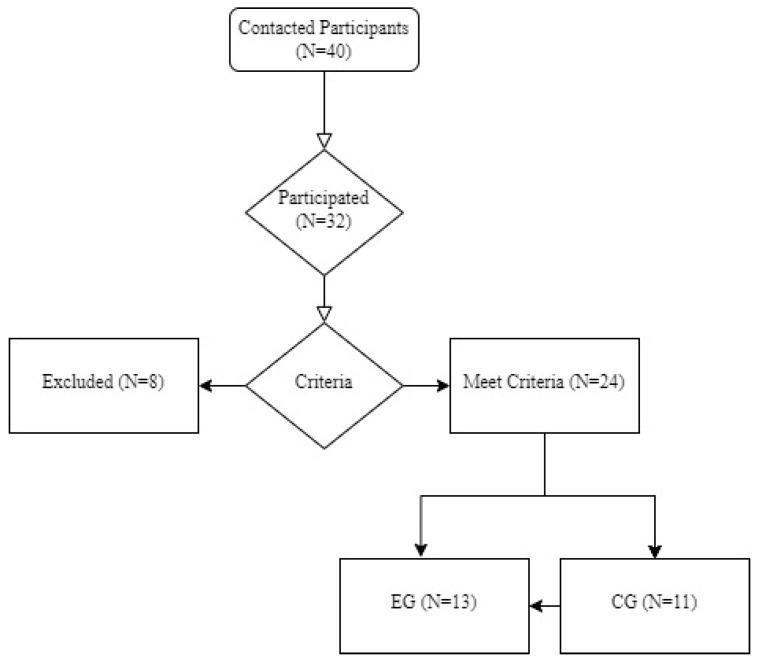
: This study examined the effects of an intervention on anthropometrics, body composition, physical fitness, and sleep quality in aged individuals, comparing a control group (N = 11) and an experimental group (N = 13) across two measurement points. : A multicomponent training program of 8 months was adopted as the intervention group. A bioimpedance balance, functional fitness test, and Pittsburgh Sleep Quality Index measured body composition, functional fitness, and sleep quality. : Both groups showed minimal changes in body mass and hand grip strength. However, the experimental group experienced significant improvements in physical fitness, including a 26% increase in arm curl repetitions, an 18% reduction in 5 times sit-to-stand (5TSTS) completion time, and a 29% rise in 2-min step test (2MST) steps, indicating enhanced muscle endurance and cardiovascular fitness. Flexibility decreased significantly in the experimental group, while body fat percentage was reduced by 10%. Sleep quality improved by 47% in the experimental group but declined by 14% in the control group. Correlational analysis revealed that better sleep quality was linked to improved fitness performance and reduced body fat in the experimental group, with post-intervention results further confirming the connection between sleep and fat reduction. In the control group, improved sleep quality was associated with higher metabolic rates after 8 months. : These findings suggest that the intervention positively impacted physical fitness and sleep quality, with potential benefits for overall health.
本研究考察了一项干预措施对老年人人体测量学指标、身体成分、身体素质和睡眠质量的影响,在两个测量点对对照组(N = 11)和实验组(N = 13)进行了比较。采用为期8个月的多组分训练计划作为干预组。通过生物电阻抗平衡、功能性体能测试和匹兹堡睡眠质量指数来测量身体成分、功能性体能和睡眠质量。两组的体重和握力变化均微乎其微。然而,实验组的身体素质有显著改善,包括手臂卷曲重复次数增加26%、5次坐立试验(5TSTS)完成时间减少18%以及2分钟台阶试验(2MST)步数增加29%,表明肌肉耐力和心血管健康状况得到增强。实验组的柔韧性显著下降,而体脂百分比降低了10%。实验组的睡眠质量提高了47%,而对照组下降了14%。相关性分析显示,在实验组中,更好的睡眠质量与更好的体能表现和更低的体脂有关,干预后的结果进一步证实了睡眠与减脂之间的联系。在对照组中,8个月后睡眠质量的改善与更高的代谢率相关。这些发现表明,该干预措施对身体素质和睡眠质量产生了积极影响,对整体健康可能有益。

 Zotero 插件