
通过靶点评估、深度学习和自动化实验室加速命中靶点识别:在 IRAK1 中的前瞻性验证
Accelerated hit identification with target evaluation, deep learning and automated labs: prospective validation in IRAK1.
作者信息
Kamuntavičius Gintautas, Prat Alvaro, Paquet Tanya, Bastas Orestis, Aty Hisham Abdel, Sun Qing, Andersen Carsten B, Harman John, Siladi Marc E, Rines Daniel R, Flatters Sarah J L, Tal Roy, Norvaišas Povilas
机构信息
AI Chemistry, Ro5, 2801 Gateway Drive, Irving, 75063, TX, USA.
Strateos, 3565 Haven Ave Suite 3, Menlo Park, 94025, CA, USA.
出版信息
J Cheminform. 2024 Nov 14;16(1):127. doi: 10.1186/s13321-024-00914-0.
BACKGROUND
Target identification and hit identification can be transformed through the application of biomedical knowledge analysis, AI-driven virtual screening and robotic cloud lab systems. However there are few prospective studies that evaluate the efficacy of such integrated approaches.
RESULTS
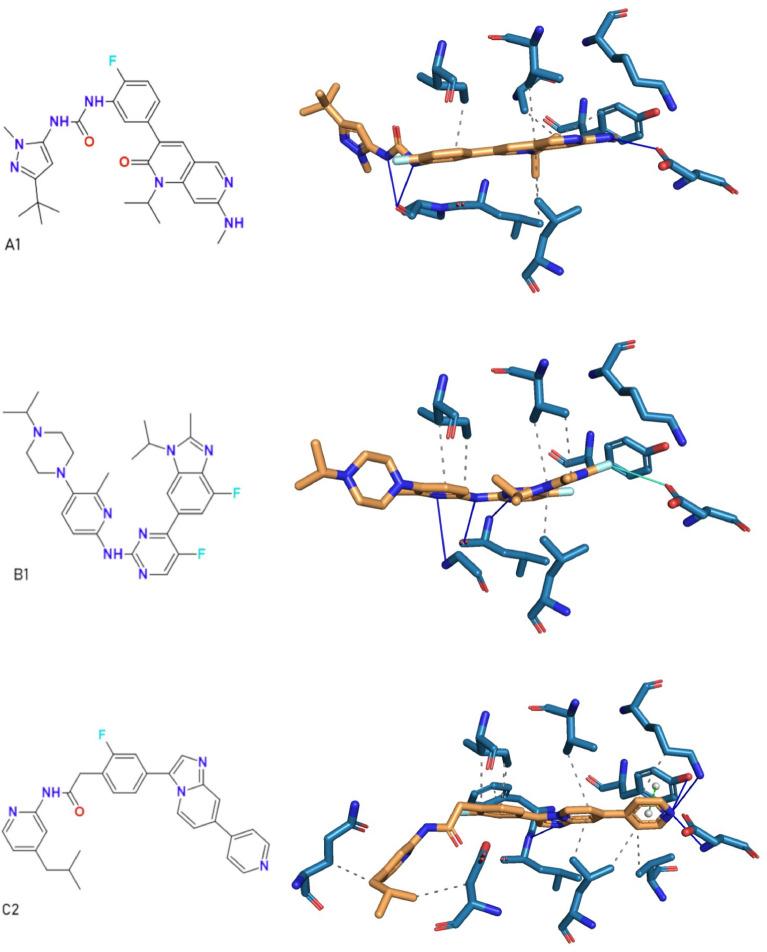
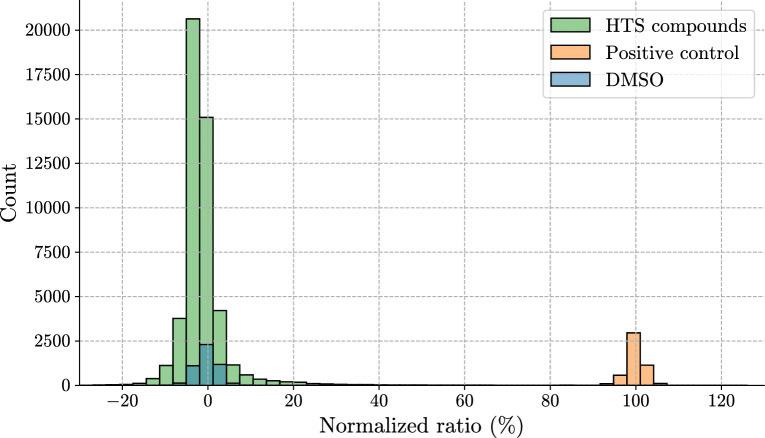
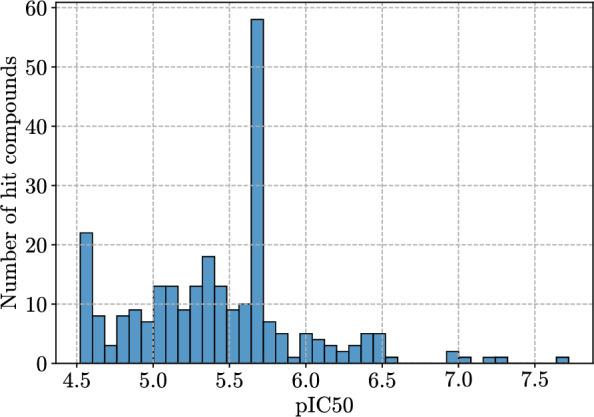
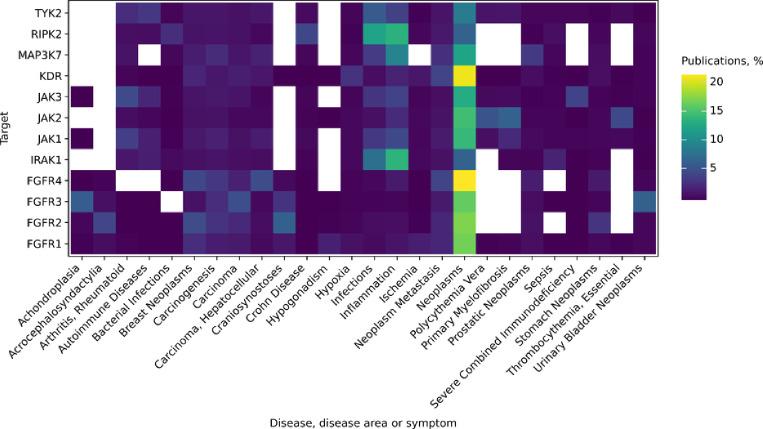
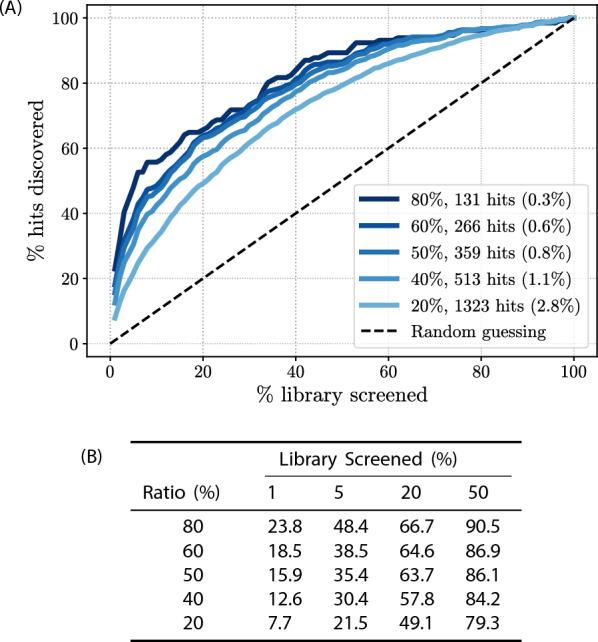
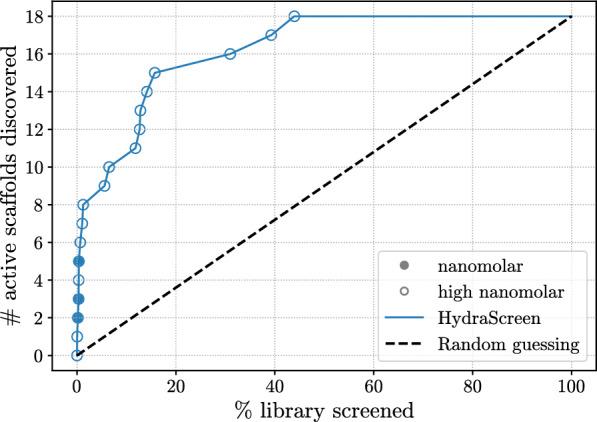
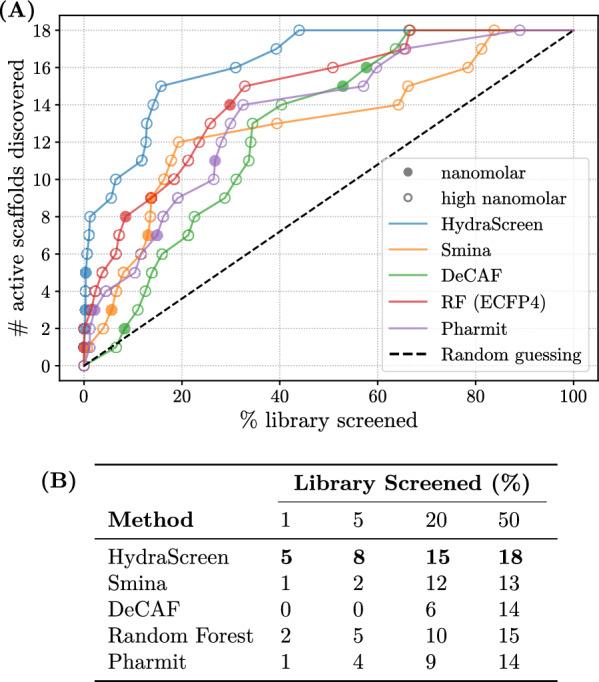
We synergistically integrate our in-house-developed target evaluation (SpectraView) and deep-learning-driven virtual screening (HydraScreen) tools with an automated robotic cloud lab designed explicitly for ultra-high-throughput screening, enabling us to validate these platforms experimentally. By employing our target evaluation tool to select IRAK1 as the focal point of our investigation, we prospectively validate our structure-based deep learning model. We can identify 23.8% of all IRAK1 hits within the top 1% of ranked compounds. The model outperforms traditional virtual screening techniques and offers advanced features such as ligand pose confidence scoring. Simultaneously, we identify three potent (nanomolar) scaffolds from our compound library, 2 of which represent novel candidates for IRAK1 and hold promise for future development.
CONCLUSION
This study provides compelling evidence for SpectraView and HydraScreen to provide a significant acceleration in the processes of target identification and hit discovery. By leveraging Ro5's HydraScreen and Strateos' automated labs in hit identification for IRAK1, we show how AI-driven virtual screening with HydraScreen could offer high hit discovery rates and reduce experimental costs.
SCIENTIFIC CONTRIBUTION
We present an innovative platform that leverages Knowledge graph-based biomedical data analytics and AI-driven virtual screening integrated with robotic cloud labs. Through an unbiased, prospective evaluation we show the reliability and robustness of HydraScreen in virtual and high-throughput screening for hit identification in IRAK1. Our platforms and innovative tools can expedite the early stages of drug discovery.
背景
通过应用生物医学知识分析、人工智能驱动的虚拟筛选和机器人云实验室系统,可以改变靶点识别和活性分子识别的过程。然而,很少有前瞻性研究评估这种综合方法的有效性。
结果
我们将自主研发的靶点评估工具(SpectraView)和深度学习驱动的虚拟筛选工具(HydraScreen)与专门为超高通量筛选设计的自动化机器人云实验室进行协同整合,从而能够通过实验验证这些平台。通过使用我们的靶点评估工具选择 IRAK1 作为研究重点,我们前瞻性地验证了基于结构的深度学习模型。我们能够在排名前 1% 的化合物中识别出所有 IRAK1 活性分子的 23.8%。该模型优于传统的虚拟筛选技术,并提供诸如配体姿态置信度评分等先进功能。同时,我们从化合物库中识别出三种强效(纳摩尔级)骨架,其中两种代表 IRAK1 的新型候选物,具有未来开发的潜力。
结论
本研究为 SpectraView 和 HydraScreen 在靶点识别和活性分子发现过程中提供显著加速提供了有力证据。通过在 IRAK1 的活性分子识别中利用 Ro5 的 HydraScreen 和 Strateos 的自动化实验室,我们展示了 HydraScreen 驱动的人工智能虚拟筛选如何能够提供高活性分子发现率并降低实验成本。
科学贡献
我们提出了一个创新平台,该平台利用基于知识图谱的生物医学数据分析和与机器人云实验室集成的人工智能驱动的虚拟筛选。通过无偏见的前瞻性评估,我们展示了 HydraScreen 在 IRAK1 的虚拟和高通量筛选中用于活性分子识别的可靠性和稳健性。我们的平台和创新工具可以加快药物发现的早期阶段。



 Zotero 插件