
长期缺氧调节胎羊大脑中动脉肌细胞中BK电流的去极化激活。
Long-term hypoxia modulates depolarization activation of BK currents in fetal sheep middle cerebral arterial myocytes.
作者信息
Nelapudi Nikitha, Boskind Madison, Hu Xiang-Qun, Mallari David, Chan Michelle, Wilson Devin, Romero Monica, Albert-Minckler Eris, Zhang Lubo, Blood Arlin B, Wilson Christopher G, Puglisi Jose Luis, Wilson Sean M
机构信息
Lawrence D Longo Center for Perinatal Biology, Loma Linda University School of Medicine, Loma Linda, CA, United States.
Advanced Imaging and Microscopy Core, Loma Linda University School of Medicine, Loma Linda, CA, United States.
出版信息
Front Physiol. 2024 Nov 5;15:1479882. doi: 10.3389/fphys.2024.1479882. eCollection 2024.
INTRODUCTION
Previous evidence indicates that gestational hypoxia disrupts cerebrovascular development, increasing the risk of intracranial hemorrhage and stroke in the newborn. Due to the role of cytosolic Ca in regulating vascular smooth muscle (VSM) tone and fetal cerebrovascular blood flow, understanding Ca signals can offer insight into the pathophysiological disruptions taking place in hypoxia-related perinatal cerebrovascular disease. This study aimed to determine the extent to which gestational hypoxia disrupts local Ca sparks and whole-cell Ca signals and coupling with BK channel activity.
METHODS
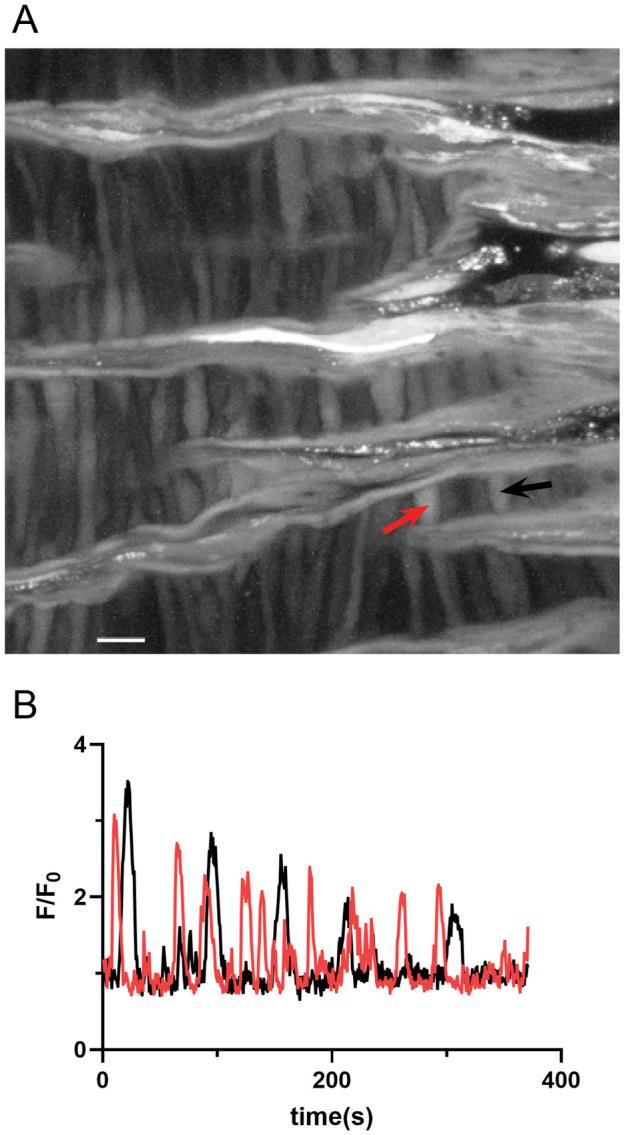
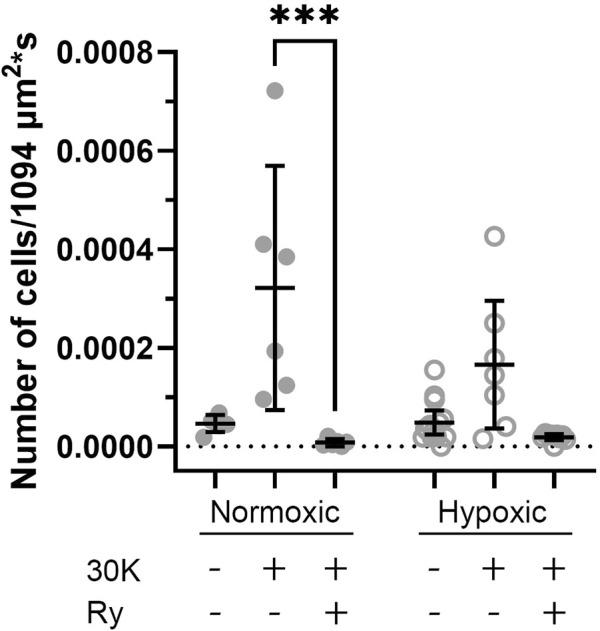
Confocal imaging of cytosolic Ca and recording BK currents of fetal sheep middle cerebral arterial (MCA) myocytes was performed. MCAs were isolated from term fetal sheep (∼140 days of gestation) from ewes held at low- (700 m) and high-altitude (3,801 m) hypoxia (LTH) for 100+ days of gestation. Arteries were depolarized with 30 mM KCl (30K), in the presence or absence of 10 μM ryanodine (Ry), to block RyR mediated Ca release.
RESULTS
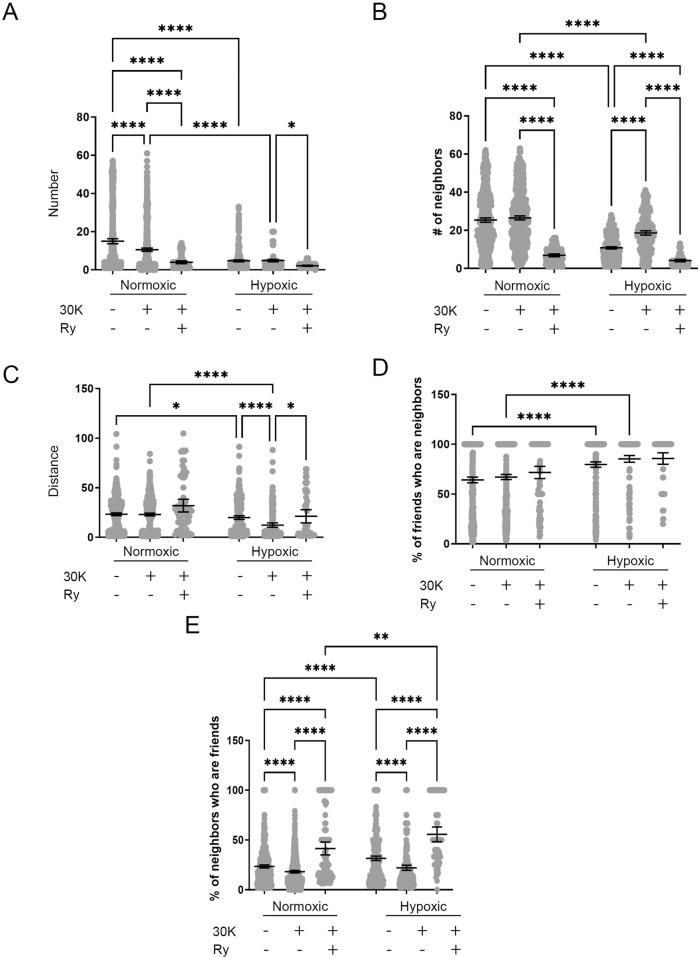
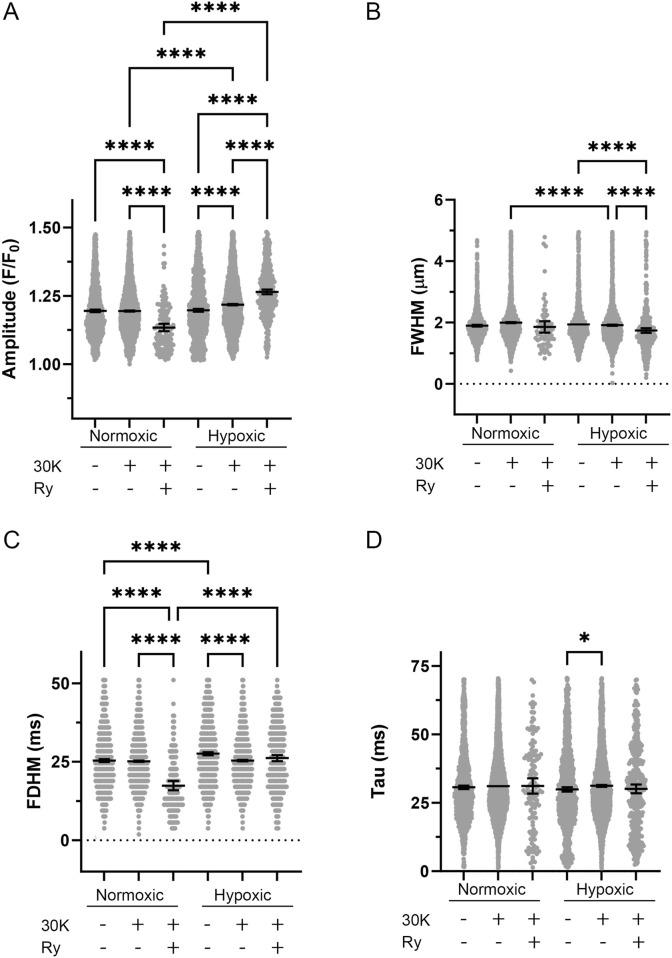
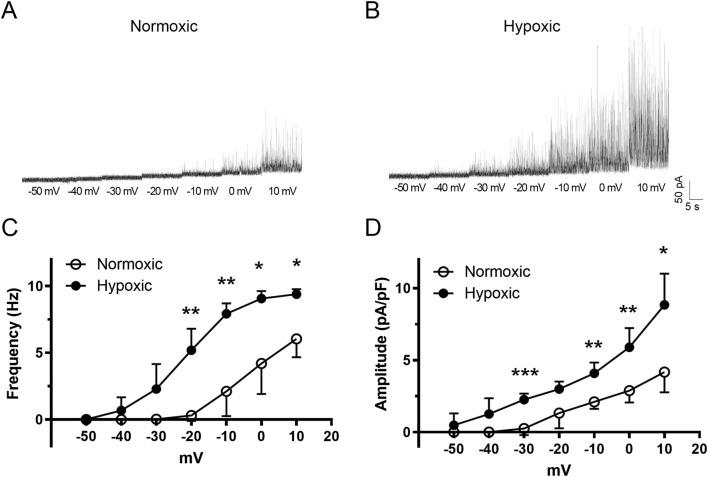
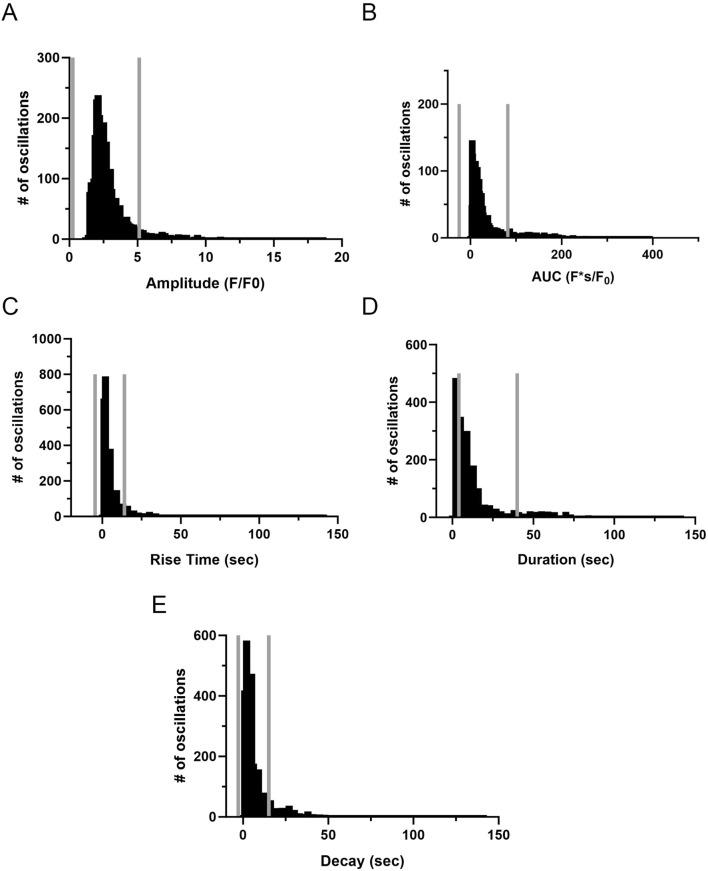
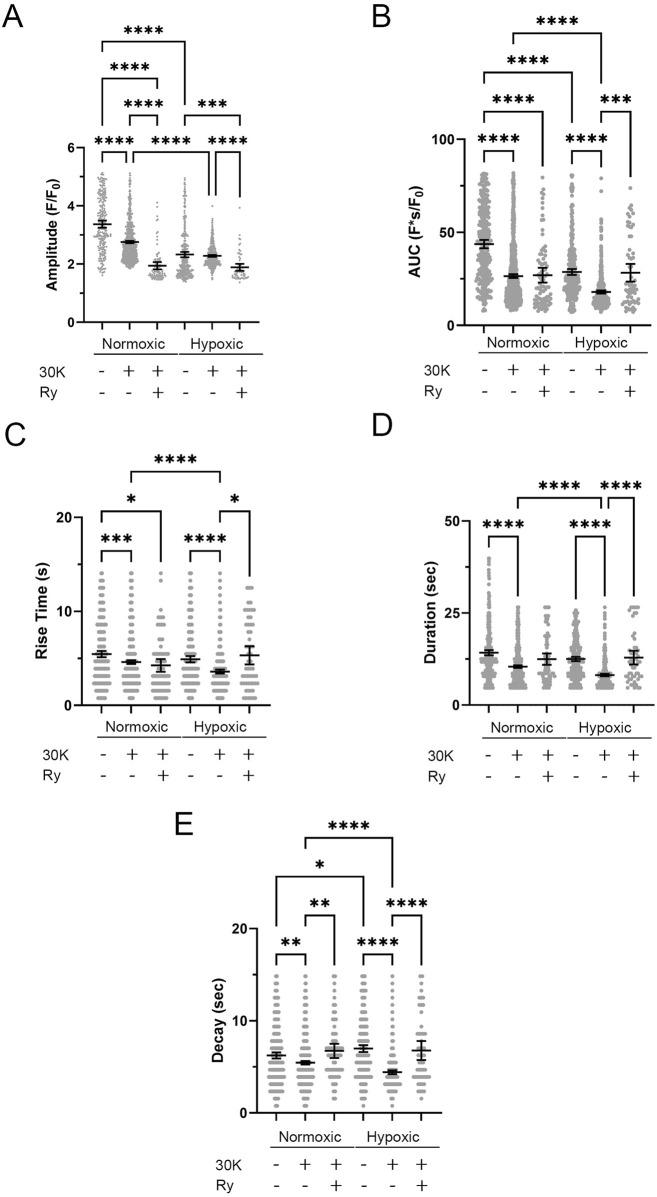
Membrane depolarization increased Ry-sensitive Ca spark frequency in normoxic and LTH groups along with BK activity. LTH reduced Ca spark and whole-cell Ca activity and induced a large leftward shift in the voltage-dependence of BK current activation. The influence of LTH on the spatial and temporal aspects of Ca sparks and whole-cell Ca responses varied.
DISCUSSION
Overall, LTH attenuates Ca signaling while increasing the coupling of Ca sparks to BK activity; a process that potentially helps maintain oxygen delivery to the developing brain.
引言
先前的证据表明,孕期缺氧会破坏脑血管发育,增加新生儿颅内出血和中风的风险。由于胞质钙在调节血管平滑肌(VSM)张力和胎儿脑血管血流中发挥作用,了解钙信号有助于深入了解缺氧相关围产期脑血管疾病中发生的病理生理紊乱。本研究旨在确定孕期缺氧在多大程度上破坏局部钙火花和全细胞钙信号以及与BK通道活性的耦合。
方法
对胎羊大脑中动脉(MCA)肌细胞进行胞质钙的共聚焦成像并记录BK电流。从妊娠100多天处于低海拔(700米)和高海拔(3801米)缺氧(LTH)环境的母羊所产足月胎羊(约妊娠140天)中分离出MCA。在存在或不存在10 μM 兰尼碱(Ry)的情况下,用30 mM KCl(30K)使动脉去极化,以阻断RyR介导的钙释放。
结果
膜去极化增加了常氧组和LTH组中对Ry敏感的钙火花频率以及BK活性。LTH降低了钙火花和全细胞钙活性,并使BK电流激活的电压依赖性大幅左移。LTH对钙火花的空间和时间方面以及全细胞钙反应的影响各不相同。
讨论
总体而言,LTH减弱了钙信号传导,同时增加了钙火花与BK活性的耦合;这一过程可能有助于维持向发育中的大脑输送氧气。



 Zotero 插件