
细胞色素与癌细胞代谢:一个新视角。
Cytochrome and cancer cell metabolism: A new perspective.
作者信息
Alshehri Bader
机构信息
Department of Medical Laboratory Sciences, College of Applied Medical Sciences, Majmaah University, Almajmaah-11952, Saudi Arabia.
出版信息
Saudi Pharm J. 2024 Dec;32(12):102194. doi: 10.1016/j.jsps.2024.102194. Epub 2024 Oct 31.
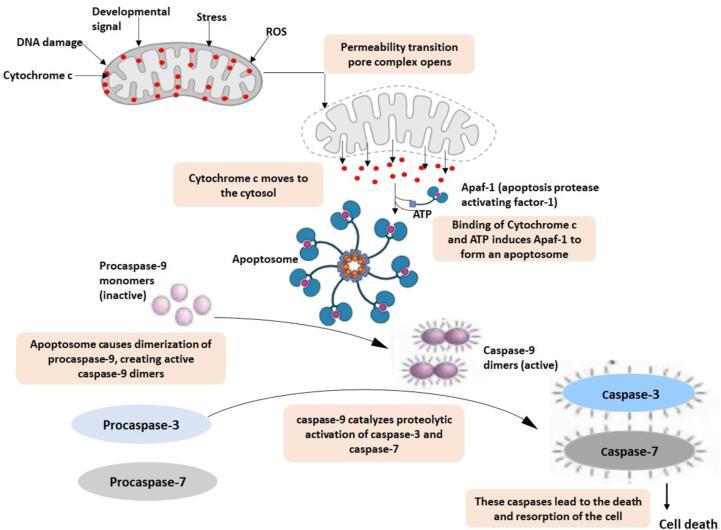
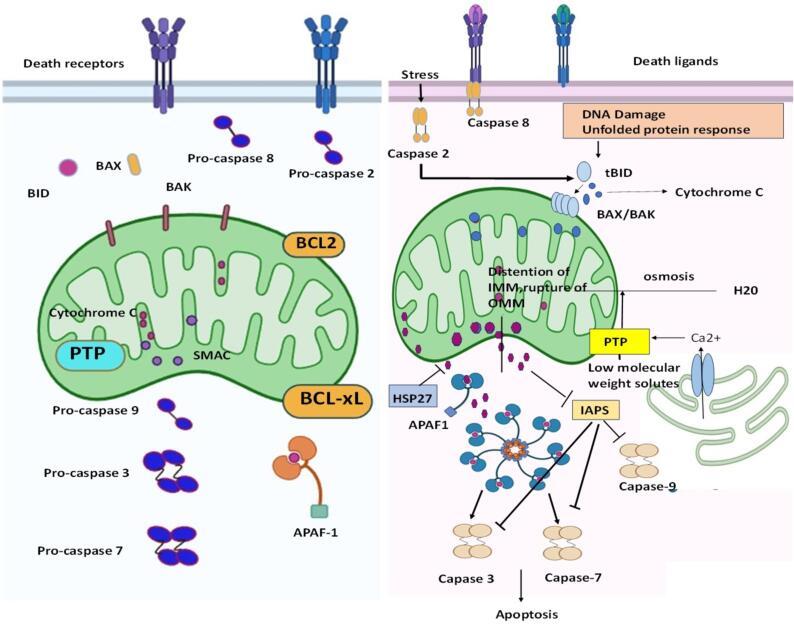
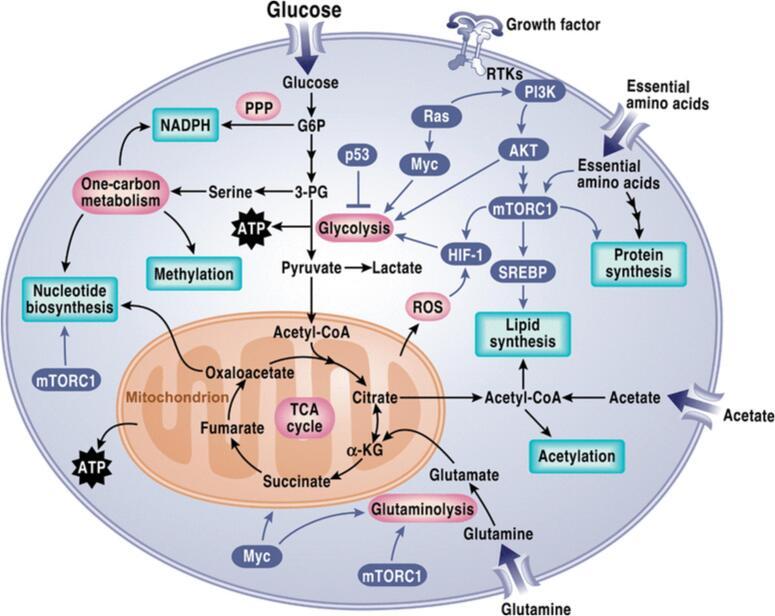
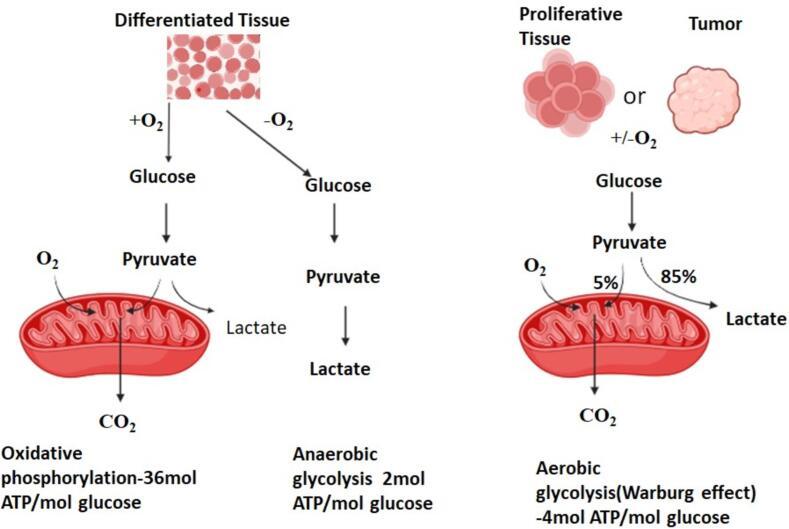
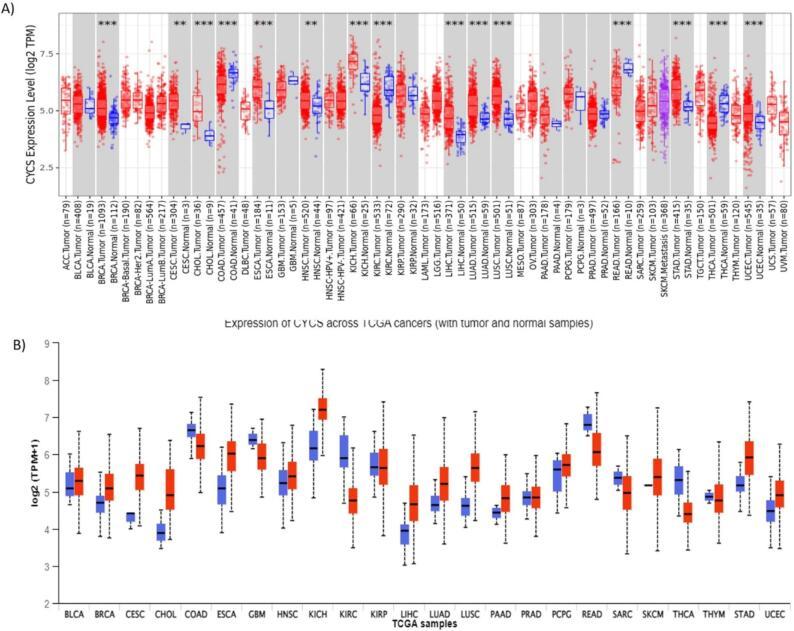
Cytochrome is a vital electron carrier in the mitochondrial respiratory chain. When the outer membrane of mitochondria becomes permeable, cytochrome is discharged into the cytoplasm, where it initiates the intrinsic apoptosis pathway. The complex interaction between cytochrome and apoptosis protease-activating factor-1 (Apaf-1) leads to the formation of the apoptosome and activation of a cascade of caspases, highlighting the critical role of cytochrome in controlling cell death mechanisms. Additionally, cytochrome undergoes post-translational modifications, especially phosphorylation, which intricately regulate its roles in both respiration and apoptosis. These modifications add layers of complexity to how cytochrome effectively controls cellular functions. cytochrome becomes a lighthouse in the intricate web of cancer, its expression patterns providing hints about prognosis and paths toward treatment. Reduced levels of cytochrome have been observed in cancer tissues, indicating a potential inhibition of apoptosis. For instance, in glioma tissues, cytochrome levels were lower compared to healthy tissues, and this reduction became more pronounced in advanced stages of the disease. However, the role of cytochrome in cancer becomes more intricate as it becomes intertwined with the metabolic reprogramming of cancer cells. This suggests that cytochrome plays a crucial role in tumor progression and resistance to treatment. Viewing cytochrome as a molecular mosaic reveals that it is not merely a protein, but also a central player in determining cellular fate. This realization opens up exciting avenues for potential advancements in cancer diagnosis and treatment strategies. Despite the advancements made, the narrative surrounding cytochrome remains incomplete, urging further exploration into its complexities and the biological implications linked to cancer. cytochrome stands as a beacon of hope and a promising target for therapy in the battle against cancer, particularly due to its significant involvement in tumor metabolism. It holds the potential for a future where innovative solutions can be developed to address the intricate challenges of cellular fate. In this review, we have endeavored to illuminate the multifaceted domain of cytochrome drawing connections among apoptosis, metabolic reprogramming, and the Warburg effect in the context of cancer.
细胞色素是线粒体呼吸链中至关重要的电子载体。当线粒体的外膜变得通透时,细胞色素会释放到细胞质中,在那里它启动内源性凋亡途径。细胞色素与凋亡蛋白酶激活因子-1(Apaf-1)之间复杂的相互作用导致凋亡小体的形成以及一系列半胱天冬酶的激活,凸显了细胞色素在控制细胞死亡机制中的关键作用。此外,细胞色素会经历翻译后修饰,尤其是磷酸化,这会复杂地调节其在呼吸作用和凋亡中的作用。这些修饰为细胞色素如何有效控制细胞功能增添了复杂性。细胞色素成为癌症错综复杂网络中的一座灯塔,其表达模式为预后和治疗途径提供线索。在癌组织中已观察到细胞色素水平降低,这表明凋亡可能受到抑制。例如,在胶质瘤组织中,与健康组织相比,细胞色素水平较低,并且在疾病晚期这种降低更为明显。然而,随着细胞色素与癌细胞的代谢重编程相互交织,其在癌症中的作用变得更加复杂。这表明细胞色素在肿瘤进展和治疗抗性中起着关键作用。将细胞色素视为分子拼图表明,它不仅是一种蛋白质,而且是决定细胞命运的核心参与者。这一认识为癌症诊断和治疗策略的潜在进展开辟了令人兴奋的途径。尽管取得了进展,但围绕细胞色素的描述仍然不完整,促使人们进一步探索其复杂性以及与癌症相关的生物学意义。细胞色素是对抗癌症斗争中希望的灯塔和有前景的治疗靶点,特别是由于其在肿瘤代谢中的重要参与。它有可能开创一个未来,在这个未来可以开发创新解决方案来应对细胞命运的复杂挑战。在本综述中,我们努力阐明细胞色素的多方面领域,在癌症背景下阐述凋亡、代谢重编程和瓦伯格效应之间的联系。


 Zotero 插件