
[在乌尔姆大学医院,因波罗的海海水感染需要进行大面积网状皮肤移植]
[Infection from Baltic Sea water requires extensive mesh-skin transplantation at the University Hospital Ulm].
作者信息
Kreß F, Schenk P, Gebhard F, Schütze K
机构信息
Abteilung für Unfall- , Hand‑, Plastische und Wiederherstellungschirurgie, Universitätsklinikum Ulm, Albert-Einstein-Allee 23, 89070, Ulm, Deutschland.
出版信息
Unfallchirurgie (Heidelb). 2025 Feb;128(2):136-140. doi: 10.1007/s00113-024-01501-6. Epub 2024 Nov 25.
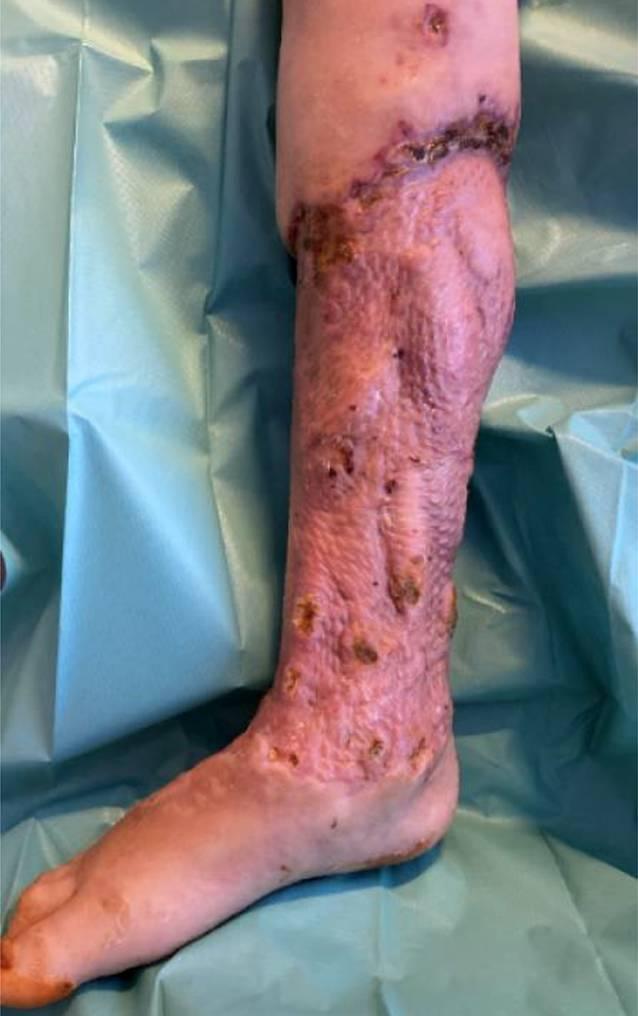
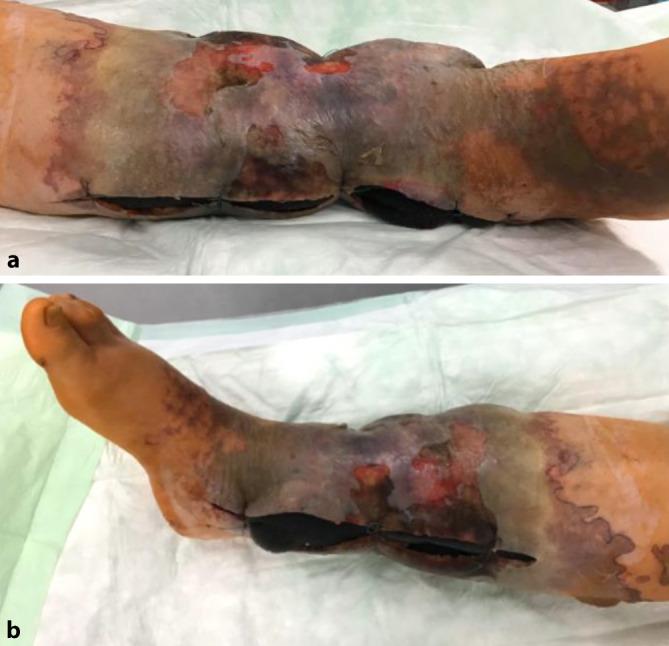
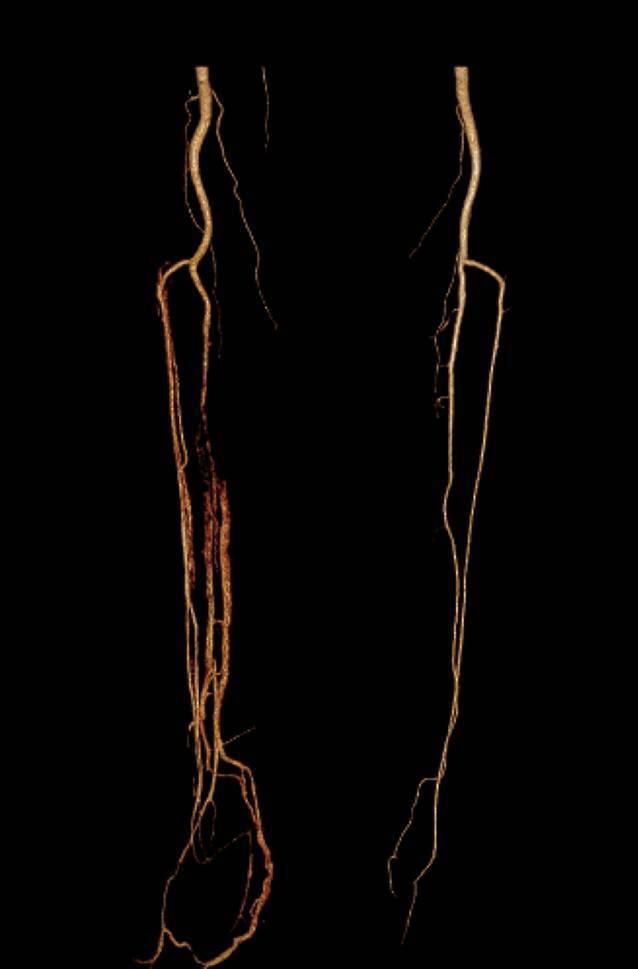
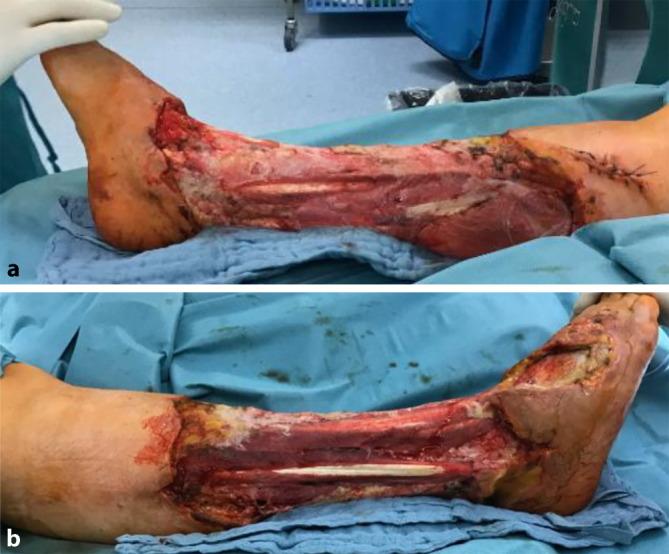
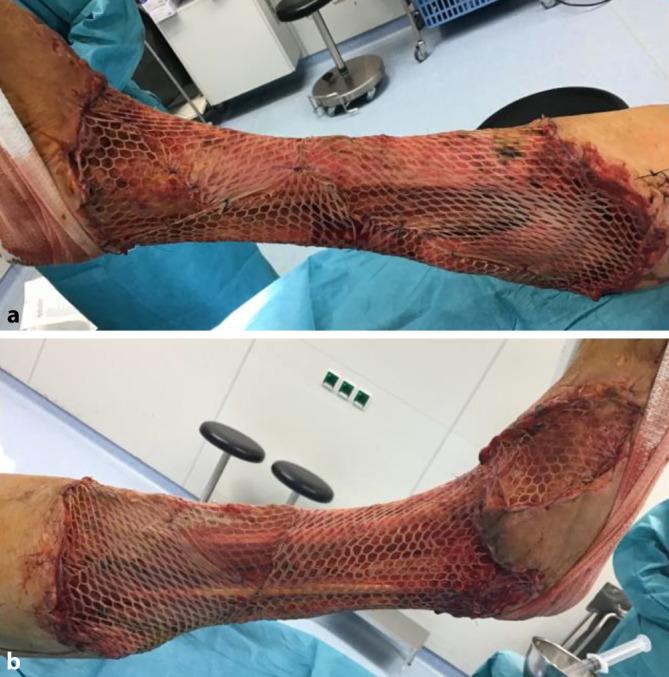
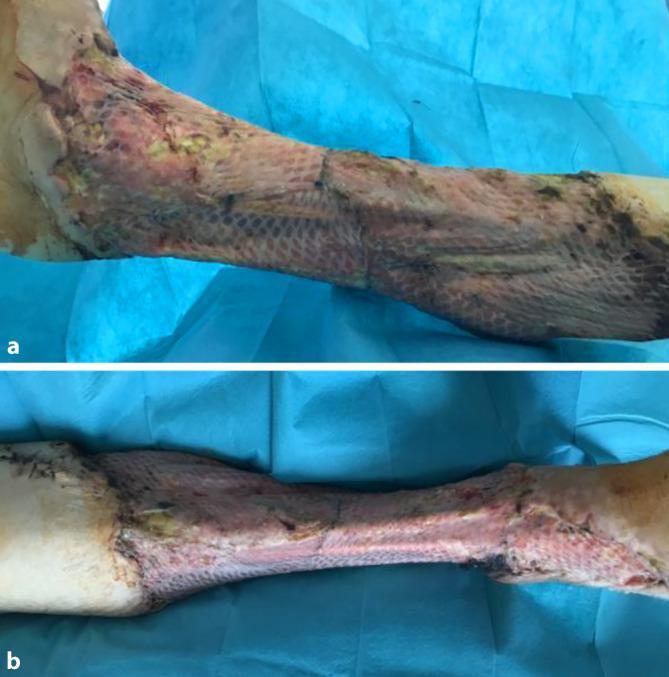
Vibrio vulnificus (V. vulnificus) is a gram-negative bacterium that can cause severe infections after entering the human body via open wounds or consumption of shellfish. An increased occurrence of bacteria is known at water temperatures > 20 °C. In addition, a low salt content of 5-25‰ is beneficial for the reproduction of Vibrio spp. In the review by Fleischmann et. al. the direct correlation between low salinity and high water temperature with the increased occurrence of V. vulnificus on German Baltic Sea coasts was demonstrated [7]. It can cause fulminant necrotizing fasciitis which can result in amputation, septic shock and death. This case report shows the successful surgical treatment in Germany of a fulminant lower leg infection with septic shock after coming into contact with Baltic Sea water. A rapid and extensive debridement was followed by the successful transplantation of cutaneous tissue using a mesh graft.
创伤弧菌是一种革兰氏阴性菌,可通过开放性伤口或食用贝类进入人体后引发严重感染。水温高于20°C时,该细菌的出现频率会增加。此外,5-25‰的低盐含量有利于弧菌属的繁殖。在弗莱施曼等人的综述中,证实了低盐度和高水温与德国波罗的海沿岸创伤弧菌出现频率增加之间的直接关联[7]。它可导致暴发性坏死性筋膜炎,进而可能导致截肢、感染性休克和死亡。本病例报告展示了在德国对一例接触波罗的海水后出现感染性休克的小腿暴发性感染进行的成功手术治疗。在迅速进行广泛清创后,使用网状移植物成功进行了皮肤组织移植。
 Zotero 插件