
神经性疼痛饮食生活方式干预的系统评价
A Systematic Review of Dietary Lifestyle Interventions for Neuropathic Pain.
作者信息
Klowak Michael, Lau Rachel, Mohammed Mariyam N, Birago Afia, Samson Bethel, Ahmed Layla, Renee Camille, Meconnen Milca, Sam Mahmud, Boggild Andrea K
机构信息
Institute of Medical Science, University of Toronto, 1 King's College Circle, Medical Sciences Building, Room 2374, Toronto, ON M5S 1A8, Canada.
Public Health Ontario Laboratories, Public Health Ontario, 661 University Ave, Toronto, ON M5G 1M1, Canada.
出版信息
J Clin Med. 2024 Nov 10;13(22):6766. doi: 10.3390/jcm13226766.
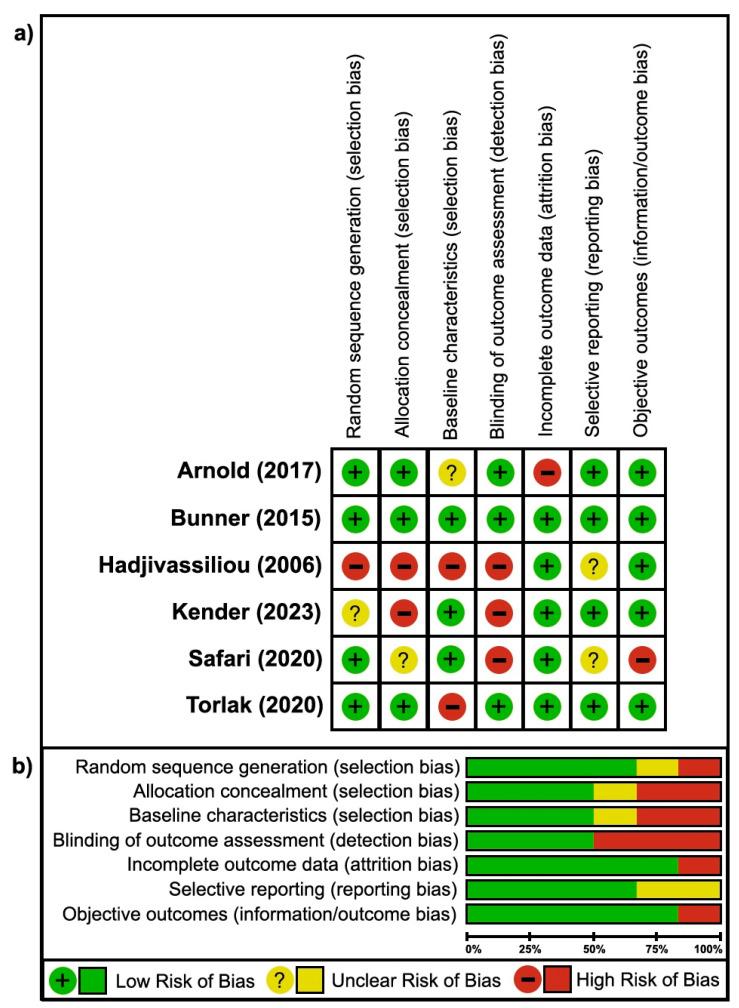
Chronic severe neuropathic pain (NP) affects one in 10 individuals over the age of 30 in North America. Standard pharmacological interventions are associated with significant side effects and have limited effectiveness. Diets seeking to improve physiological health, support gut barrier integrity, and decrease systemic inflammation have recently emerged as powerful tools conferring neuroprotective and anti-inflammatory effects, potentially reducing the overall morbidity and mortality of multiple neurological and metabolic diseases. This systematic review aimed to synthesize the literature around NP outcomes following dietary interventions compared to routine standard of care. Following PRISMA guidelines, an initial search yielded 15,387 records after deduplication. Six interventional trials specifically assessing dietary interventions for neuropathic pain were included and analyzed. The dietary lifestyle interventions included low-fat plant-based, plant-based fasting-mimicking, low-calorie, potassium-reduced, gluten-free, and intermittent high-protein/Mediterranean diets. The included studies described some statistically significant improvements in pain severity on objective quantitative sensory testing, electrophysiology, imaging, and subjective questionnaires. The overall risk of bias was moderate, with only one trial demonstrating a low risk of bias across all assessed domains. No serious adverse events were identified, and dietary interventions were generally well tolerated. The data collected and synthesized in this systematic review indicate that dietary lifestyle interventions may offer a low-risk, low-cost, low-tech option for chronic neuropathic pain management, potentially improving quality of life and reducing overall morbidity. However, given substantial variability across studies and a moderate risk of bias, further research is warranted to substantiate these findings.
在北美,慢性重度神经性疼痛(NP)影响着每10名30岁以上人群中的1人。标准药物干预存在显著副作用且效果有限。旨在改善生理健康、维持肠道屏障完整性并减轻全身炎症的饮食,最近已成为具有神经保护和抗炎作用的有力工具,有可能降低多种神经和代谢疾病的总体发病率和死亡率。本系统评价旨在综合与常规标准治疗相比,饮食干预后NP结局的相关文献。按照PRISMA指南,初步检索在去重后得到15387条记录。纳入并分析了六项专门评估饮食干预治疗神经性疼痛的干预性试验。饮食生活方式干预包括低脂植物性饮食、植物性模拟禁食饮食、低热量饮食、低钾饮食、无麸质饮食以及间歇性高蛋白/地中海饮食。纳入的研究表明,在客观定量感觉测试、电生理学、影像学和主观问卷方面,疼痛严重程度有一些具有统计学意义的改善。总体偏倚风险为中度,只有一项试验在所有评估领域均显示低偏倚风险。未发现严重不良事件,饮食干预总体耐受性良好。本系统评价收集和综合的数据表明,饮食生活方式干预可能为慢性神经性疼痛管理提供一种低风险、低成本、低技术的选择,有可能改善生活质量并降低总体发病率。然而,鉴于各研究之间存在很大差异且偏倚风险为中度,有必要进行进一步研究以证实这些发现。

 Zotero 插件