
阿尔茨海默病中的外泌体微小RNA:揭示其作用及诊断与治疗的开创性工具
Exosomal MicroRNAs in Alzheimer's Disease: Unveiling Their Role and Pioneering Tools for Diagnosis and Treatment.
作者信息
Alhenaky Alhanof, Alhazmi Safiah, Alamri Sultan H, Alkhatabi Heba A, Alharthi Amani, Alsaleem Mansour A, Abdelnour Sameh A, Hassan Sabah M
机构信息
Department of Biological Sciences, Faculty of Science, King Abdulaziz University, Jeddah 21589, Saudi Arabia.
Immunology Unit, King Fahd Medical Research Center, King Abdulaziz University, Jeddah 80200, Saudi Arabia.
出版信息
J Clin Med. 2024 Nov 19;13(22):6960. doi: 10.3390/jcm13226960.
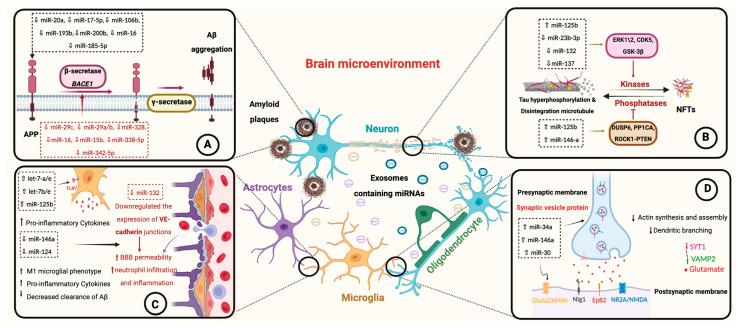
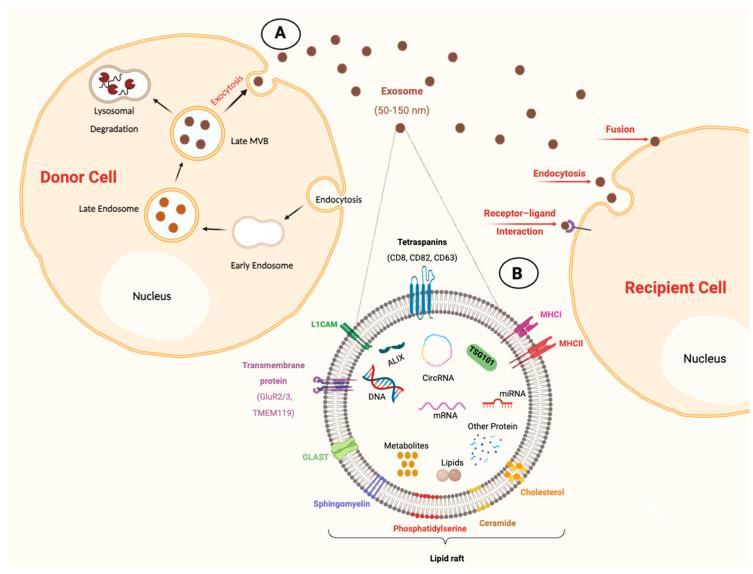
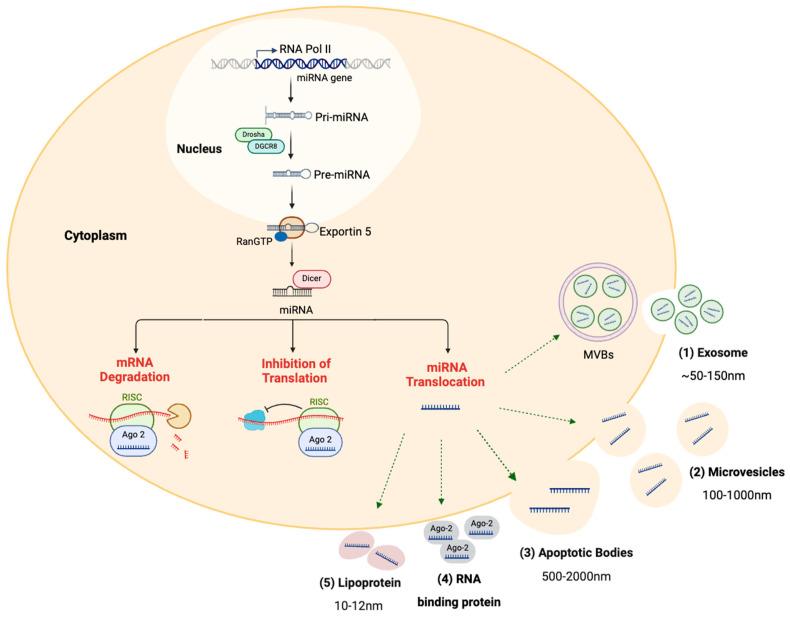
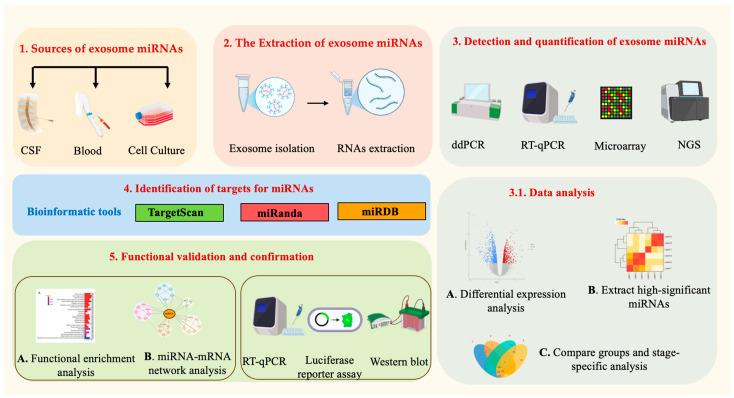
Alzheimer's disease (AD) is a common neurodegenerative disorder that presents a significant health concern, often leading to substantial cognitive decline among older adults. A prominent feature of AD is progressive dementia, which eventually disrupts daily functioning and the ability to live independently. A major challenge in addressing AD is its prolonged pre-symptomatic phase, which makes early detection difficult. Moreover, the disease's complexity and the inefficiency of current diagnostic methods impede the development of targeted therapies. Therefore, there is an urgent need to enhance diagnostic methodologies for detection and treating AD even before clinical symptoms appear. Exosomes are nanoscale biovesicles secreted by cells, including nerve cells, into biofluids. These exosomes play essential roles in the central nervous system (CNS) by facilitating neuronal communication and thus influencing major physiological and pathological processes. Exosomal cargo, particularly microRNAs (miRNAs), are critical mediators in this cellular communication, and their dysregulation affects various pathological pathways related to neurodegenerative diseases, including AD. This review discusses the significant roles of exosomal miRNAs in the pathological mechanisms related to AD, focusing on the promising use of exosomal miRNAs as diagnostic biomarkers and targeted therapeutic interventions for this devastating disease.
阿尔茨海默病(AD)是一种常见的神经退行性疾病,对健康构成重大威胁,常常导致老年人出现严重的认知衰退。AD的一个显著特征是进行性痴呆,最终会扰乱日常功能和独立生活能力。应对AD的一个主要挑战是其漫长的症状前期,这使得早期检测变得困难。此外,该疾病的复杂性以及当前诊断方法的低效性阻碍了靶向治疗的发展。因此,迫切需要改进诊断方法,以便在临床症状出现之前就能够检测和治疗AD。外泌体是细胞(包括神经细胞)分泌到生物流体中的纳米级生物囊泡。这些外泌体通过促进神经元通讯,进而影响主要的生理和病理过程,在中枢神经系统(CNS)中发挥着重要作用。外泌体所载物质,特别是微小RNA(miRNA),是这种细胞通讯中的关键介质,其失调会影响包括AD在内的与神经退行性疾病相关的各种病理途径。本综述讨论了外泌体miRNA在与AD相关的病理机制中的重要作用,重点关注外泌体miRNA作为这种毁灭性疾病的诊断生物标志物和靶向治疗干预手段的潜在用途。
 Zotero 插件