
多不饱和脂肪酸衍生的氧化脂类在心脏代谢疾病中的作用机制及可能的营养干预
Oxylipins Derived from PUFAs in Cardiometabolic Diseases: Mechanism of Actions and Possible Nutritional Interactions.
机构信息
Department of Nutrition and Dietetics, Faculty of Health Sciences, Gazi University, 06490 Ankara, Türkiye.
Department of Nutrition and Dietetics, Bursa Uludag University, Görükle Campus, 16059 Bursa, Türkiye.
出版信息
Nutrients. 2024 Nov 7;16(22):3812. doi: 10.3390/nu16223812.
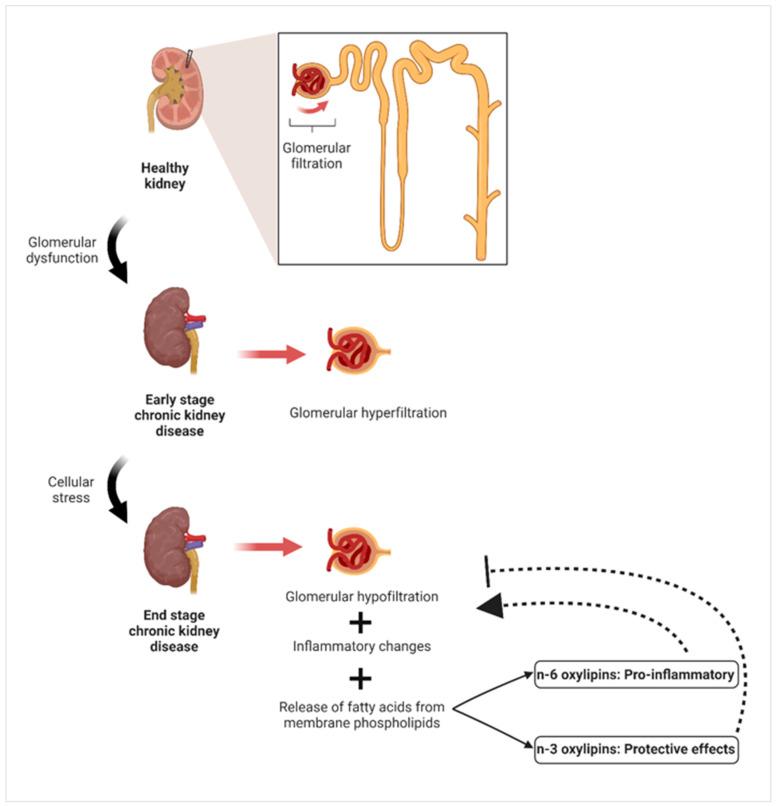
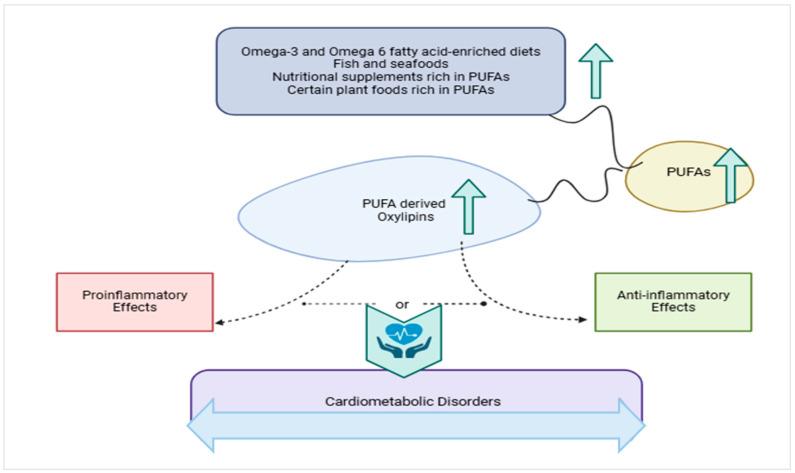
Oxylipins are oxidized fatty acids, both saturated and unsaturated, formed through pathways that involve singlet oxygen or dioxygen-mediated oxygenation reactions and are primarily produced by enzyme families such as cyclooxygenases, lipoxygenases, and cytochrome P450. These lipid-based complex bioactive molecules are pivotal signal mediators, acting in a hormone-like manner in the pathophysiology of numerous diseases, especially cardiometabolic diseases via modulating plenty of mechanisms. It has been reported that omega-6 and omega-3 oxylipins are important novel biomarkers of cardiometabolic diseases. Moreover, collected literature has noted that diet and dietary components, especially fatty acids, can modulate these oxygenated lipid products since they are mainly derived from dietary omega-3 and omega-6 polyunsaturated fatty acids (PUFAs) or linoleic acid and α-linolenic by elongation and desaturation pathways. This comprehensive review aims to examine their correlations to cardiometabolic diseases and how diets modulate oxylipins. Also, some aspects of developing new biomarkers and therapeutical utilization are detailed in this review.
氧化脂类是氧化后的脂肪酸,包括饱和和不饱和脂肪酸,通过涉及单线态氧或双原子氧介导的氧化反应的途径形成,主要由环加氧酶、脂加氧酶和细胞色素 P450 等酶家族产生。这些基于脂质的复杂生物活性分子是关键的信号介质,在许多疾病的病理生理学中以类似激素的方式发挥作用,特别是通过调节大量机制在心脏代谢疾病中发挥作用。据报道,ω-6 和 ω-3 氧化脂类是心脏代谢疾病的重要新型生物标志物。此外,已收集的文献指出,饮食和饮食成分,特别是脂肪酸,可以调节这些含氧脂质产物,因为它们主要来自饮食中的 ω-3 和 ω-6 多不饱和脂肪酸 (PUFA) 或亚油酸和α-亚麻酸通过延伸和去饱和途径。本综述旨在研究它们与心脏代谢疾病的相关性以及饮食如何调节氧化脂类。此外,本综述还详细介绍了开发新生物标志物和治疗应用的一些方面。




 Zotero 插件