
驻留在感染前线组织中的人类免疫细胞的适应性。
Adaptation in human immune cells residing in tissues at the frontline of infections.
机构信息
CNAG, Centro Nacional de Análisis Genómico, Barcelona, Spain.
Department of Ecology and Evolutionary Biology, University of Arizona, Tucson, AZ, USA.
出版信息
Nat Commun. 2024 Nov 28;15(1):10329. doi: 10.1038/s41467-024-54603-5.
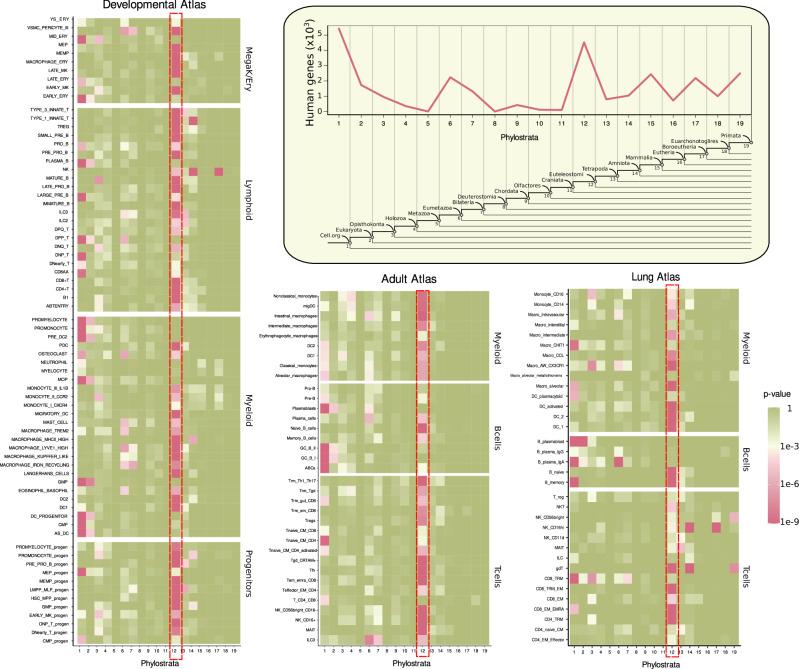
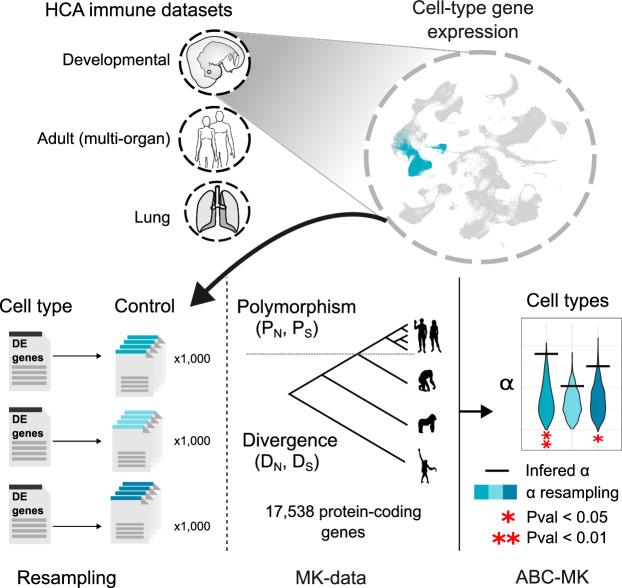
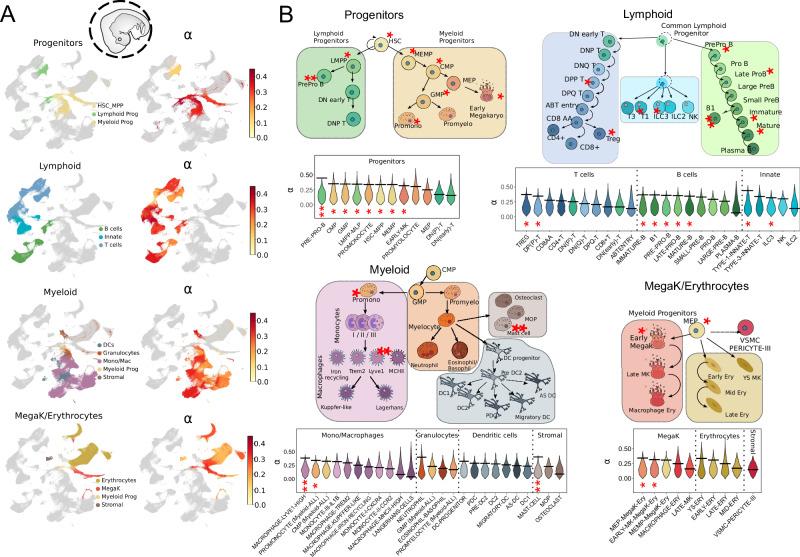
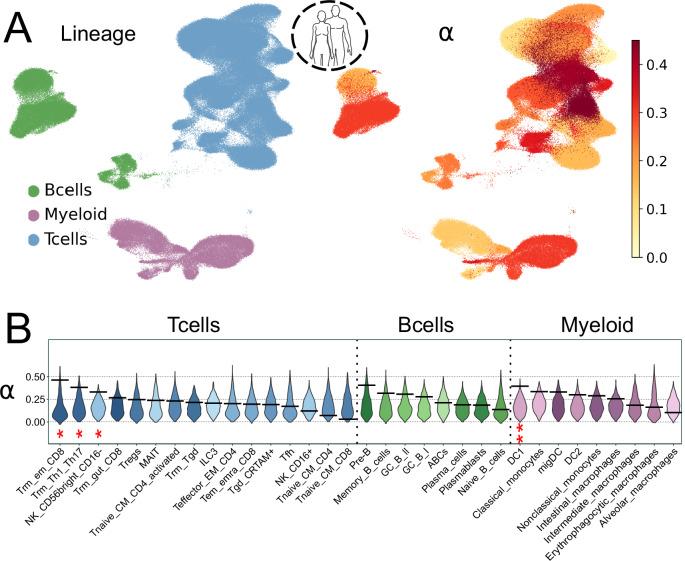
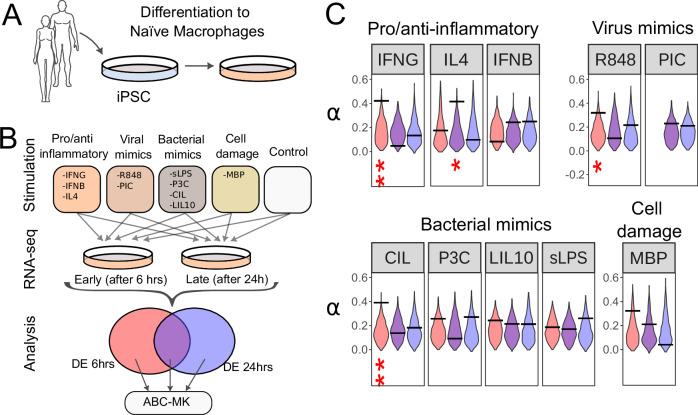
Human immune cells are under constant evolutionary pressure, primarily through their role as first line of defence against pathogens. Most studies on immune adaptation are, however, based on protein-coding genes without considering their cellular context. Here, using data from the Human Cell Atlas, we infer the gene adaptation rate of the human immune landscape at cellular resolution. We find abundant cell types, like progenitor cells during development and adult cells in barrier tissues, to harbour significantly increased adaptation rates. We confirm the adaptation of tissue-resident T and NK cells in the adult lung located in compartments directly facing external challenges, such as respiratory pathogens. Analysing human iPSC-derived macrophages responding to various challenges, we find adaptation in early immune responses. Together, our study suggests host benefits to control pathogen spread at early stages of infection, providing a retrospect of forces that shaped the complexity, architecture, and function of the human body.
人类免疫细胞一直处于不断的进化压力之下,主要是通过其作为抵御病原体的第一道防线的作用。然而,大多数关于免疫适应性的研究都是基于蛋白质编码基因,而没有考虑到它们的细胞背景。在这里,我们利用人类细胞图谱的数据,以细胞分辨率推断人类免疫景观的基因适应率。我们发现大量的细胞类型,如发育过程中的祖细胞和屏障组织中的成年细胞,具有显著增加的适应率。我们证实了成年肺部直接面对外部挑战(如呼吸道病原体)的组织驻留 T 细胞和 NK 细胞的适应性。分析人类 iPSC 衍生的巨噬细胞对各种挑战的反应,我们发现早期免疫反应中的适应性。总之,我们的研究表明,宿主有控制感染早期病原体传播的好处,为塑造人体复杂性、结构和功能的力量提供了一个回顾。

 Zotero 插件