
类弹性蛋白重组体作为用于开发细胞因子功能化材料的生物技术平台。
Elastin-like Recombinamers as a Biotechnological Platform for the Development of Cytokine-Functionalized Materials.
作者信息
Gonçalves Anabela, Pinho Vanessa, da Costa André, Ribeiro Artur, Gomes Andreia C, Machado Raul
机构信息
CBMA (Centre of Molecular and Environmental Biology)/ARNET (Aquatic Research Network) Associate Laboratory, Department of Biology, University of Minho, Campus de Gualtar, 4710-057 Braga, Portugal.
IB-S Institute of Science and Innovation for Sustainability, University of Minho, Campus of Gualtar, 4710-057 Braga, Portugal.
出版信息
ACS Omega. 2024 Nov 12;9(47):46733-46742. doi: 10.1021/acsomega.3c09325. eCollection 2024 Nov 26.
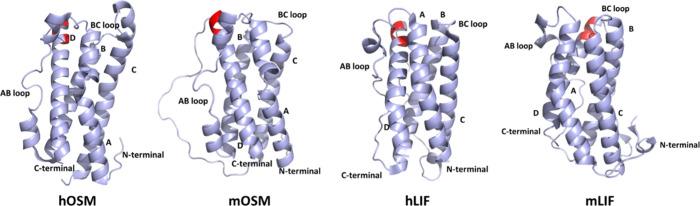
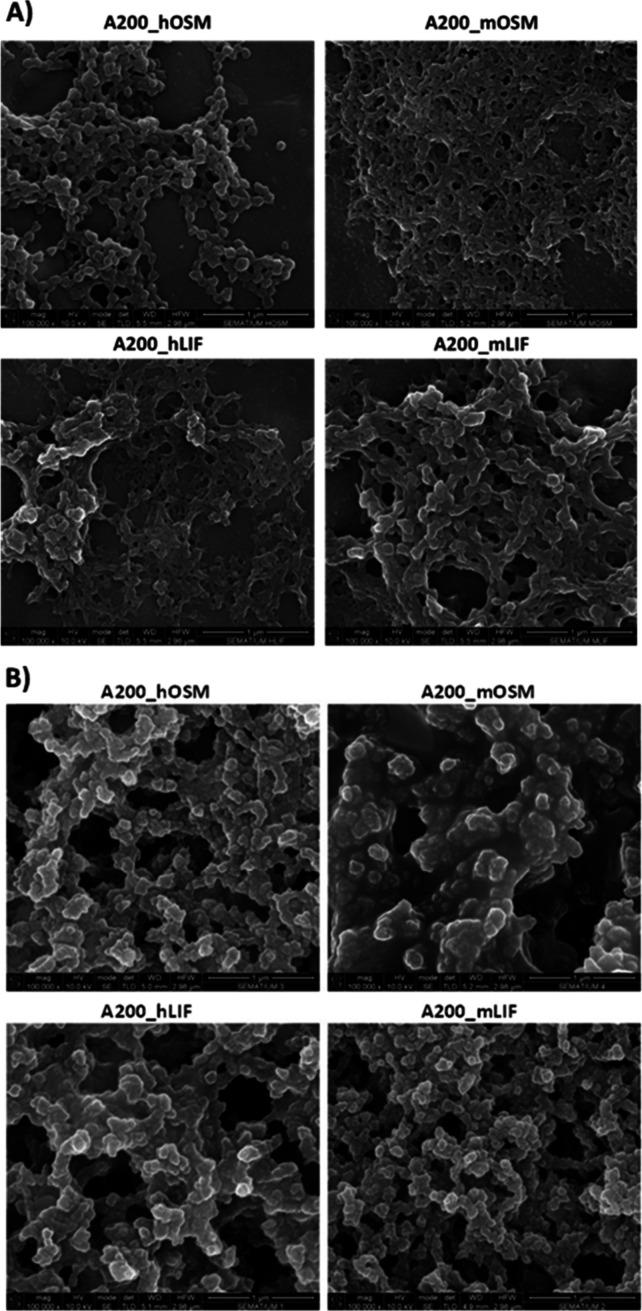
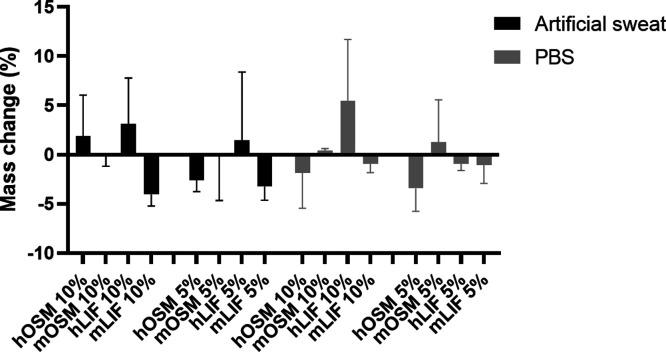
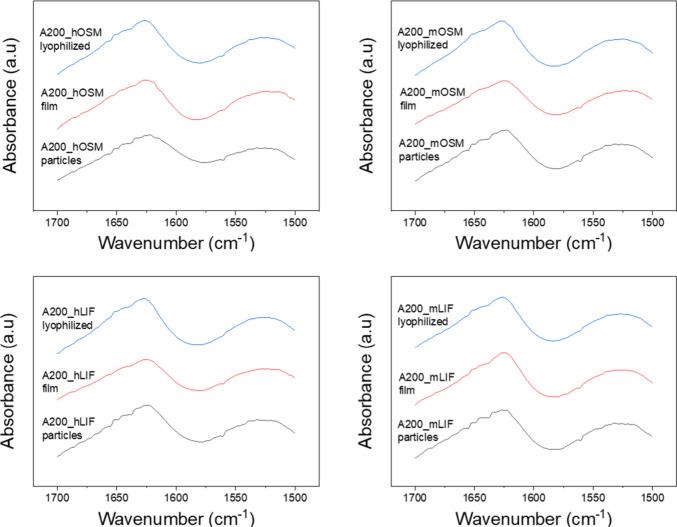
Oncostatin M (OSM) and leukemia inhibitory factor (LIF) are pleiotropic cytokines from the interkeukine-6 family, associated with several disorders, and present significant potential in biomedicine. However, their therapeutic use is highly constrained by factors such as short circulating half-life and narrow therapeutic window. The conjugation of cytokines with elastin-like recombinamers (ELR) holds the potential to circumvent these limitations due to the ability of self-assembling upon a thermal stimulus, remarkable biocompatibility, and ease of processing. In this work, we report on the development of genetically engineered hybrid ELR conjugates by fusing the DNA sequences coding for murine/human OSM and LIF into the C-terminus of an ELR. The resulting hybrid fusion proteins demonstrated to retain the thermal properties of the ELR, which enabled the nonchromatographic purification by employing simple hot/cold cycles. Nanoparticles and free-standing films were obtained by self-assembly and solvent casting, respectively, using environmentally friendly processes (mild conditions and water-based methods). Both materials were characterized for their properties, revealing the absence of hemotoxicity upon contact with red blood cells and promising features for potential therapeutic applications. Overall, this work represents a step forward in the development of advanced functionalized biomaterials suitable for localized cytokine therapy.
抑瘤素M(OSM)和白血病抑制因子(LIF)是来自白细胞介素-6家族的多效性细胞因子,与多种疾病相关,在生物医学中具有巨大潜力。然而,它们的治疗应用受到诸如循环半衰期短和治疗窗口窄等因素的高度限制。细胞因子与弹性蛋白样重组体(ELR)的缀合有可能克服这些限制,因为ELR具有在热刺激下自组装的能力、出色的生物相容性以及易于加工的特点。在这项工作中,我们报告了通过将编码小鼠/人类OSM和LIF的DNA序列融合到ELR的C末端来开发基因工程杂交ELR缀合物。所得的杂交融合蛋白显示保留了ELR的热性质,这使得可以通过简单的热/冷循环进行非色谱纯化。分别使用环境友好的方法(温和条件和水基方法)通过自组装和溶剂浇铸获得了纳米颗粒和独立膜。对这两种材料的性质进行了表征,结果表明它们与红细胞接触时无血液毒性,并且具有潜在治疗应用的良好特性。总体而言,这项工作在开发适用于局部细胞因子治疗的先进功能化生物材料方面迈出了一步。



 Zotero 插件