
芬太尼成瘾雄性小鼠奖赏和感觉脑区的突触结构与转录组分析
Synaptic Structure and Transcriptomic Profiling of Reward and Sensory Brain Areas in Male Mice of Fentanyl Addiction.
作者信息
Feng Junli, Xu Ningsi, Wang Linhua, Wang Haixing, Zhou Yi, Shen Qing
机构信息
Collaborative Innovation Center of Seafood Deep Processing, Zhejiang Province Joint Key Laboratory of Aquatic Products Processing, Institute of Seafood, Zhejiang Gongshang University, Hangzhou, 310012, People's Republic of China.
Hangzhou Linping Hospital of Traditional Chinese Medicine, Linping, Zhejiang, 311106, People's Republic of China.
出版信息
Subst Abuse Rehabil. 2024 Dec 6;15:233-245. doi: 10.2147/SAR.S484167. eCollection 2024.
BACKGROUND
Opioid-based medications are powerful analgesics commonly prescribed for pain management, but they are also highly addictive. The over-prescription of opioids analgesics has triggered current opioid crisis, which now has expanded to heroin and illicit synthetic opioids like fentanyl and its analogues. The side effects of fentanyl abuse have been well recognized, yet the underlying molecular adaptations across brain regions upon fentanyl exposure remain elusive.
METHODS
The transmission electron microscopy (TEM) and next-generation RNA-sequencing (RNA-seq) were used to investigate the ultrastructure synaptic alterations and transcriptional profiling changes of reward and sensory brain regions in mice after fentanyl exposure.
RESULTS
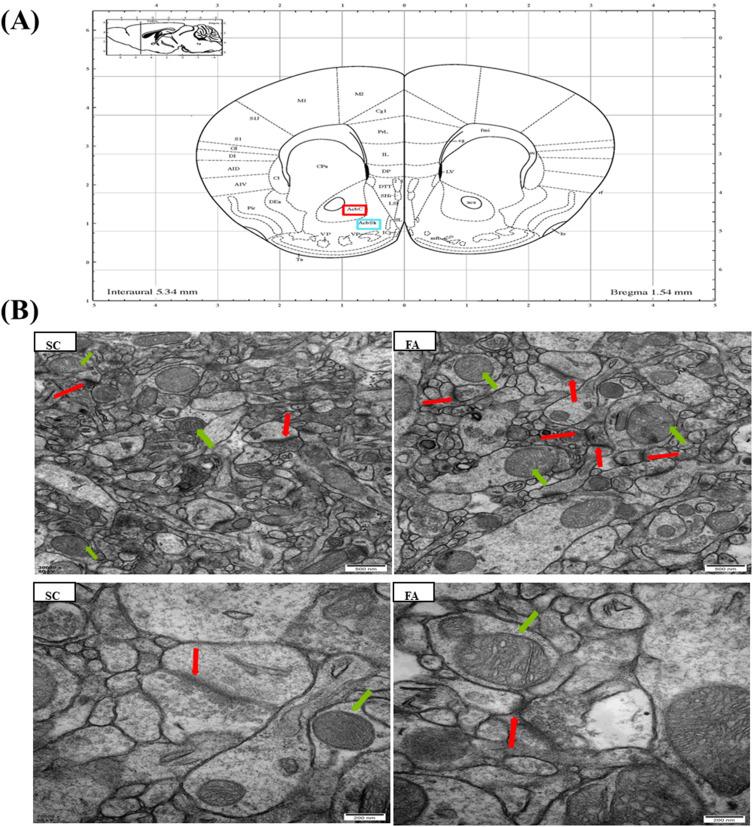
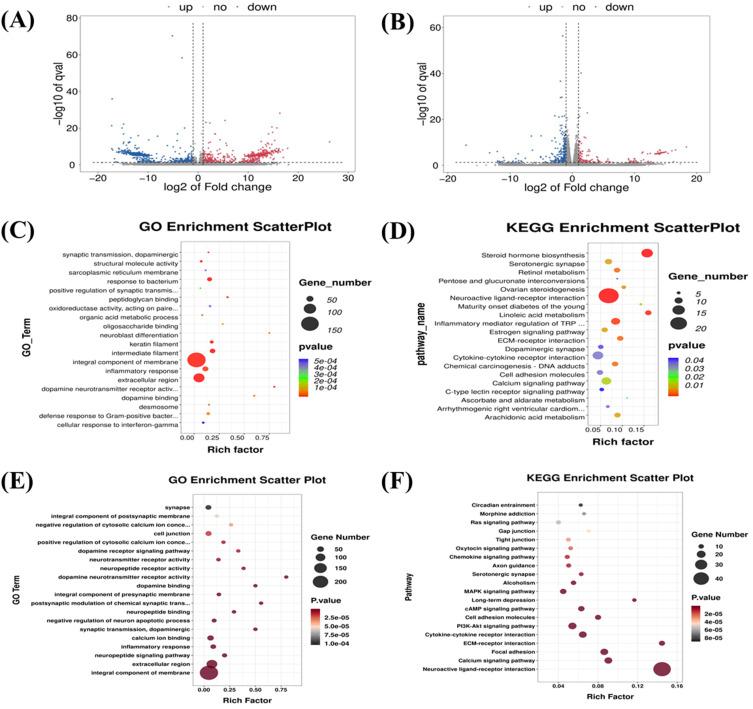
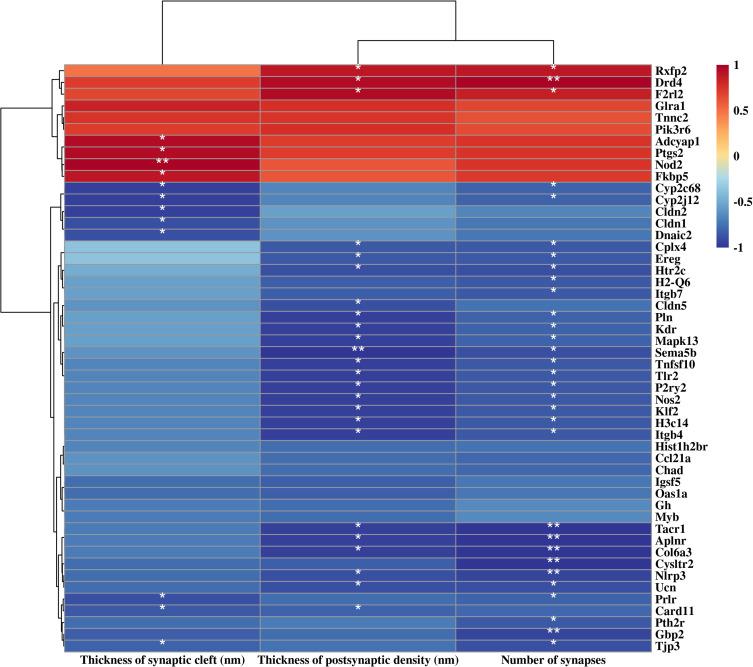
The naloxone-precipitated acute withdrawal symptoms were observed in mice exposed to fentanyl. Results of TEM showed an increase in the number of synapses, widening of synaptic gaps, and thickening of postsynaptic density in the NAc of the fentanyl addiction mice, accompanied by obvious mitochondrial swelling. RNA-seq identified differentially expressed genes (DEGs) in prefrontal cortex of mice brains after fentanyl exposure, and the expression of some addiction-related genes such as and showed the most striking changes among experimental groups. KEGG enrichment analysis indicated that these DEGs were related to the development of addiction behavior, dopaminergic/GABAergic/serotonergic synapse, synapse assembly/synaptic plasticity/synaptic vesicle cycle, cAMP/MAPK signaling pathway, neuroactive ligand-receptor interactions. These transcriptomic changes may be correlated with the structural and behavioral changes observed in fentanyl-exposed mice.
DISCUSSION
The findings of this study contribute to a better understanding of the molecular mechanism of addiction behavior, which is essential for the development of optimized therapy strategies for addicts.
背景
基于阿片类的药物是常用于疼痛管理的强效镇痛药,但它们也极易成瘾。阿片类镇痛药的过度处方引发了当前的阿片类药物危机,现在这场危机已扩展到海洛因以及芬太尼及其类似物等非法合成阿片类药物。芬太尼滥用的副作用已得到充分认识,但芬太尼暴露后大脑各区域潜在的分子适应性变化仍不清楚。
方法
采用透射电子显微镜(TEM)和下一代RNA测序(RNA-seq)来研究芬太尼暴露后小鼠奖赏和感觉脑区的超微结构突触改变以及转录谱变化。
结果
在暴露于芬太尼的小鼠中观察到纳洛酮诱发的急性戒断症状。透射电子显微镜结果显示,芬太尼成瘾小鼠的伏隔核中突触数量增加、突触间隙增宽以及突触后致密物增厚,同时伴有明显的线粒体肿胀。RNA-seq鉴定出芬太尼暴露后小鼠前额叶皮质中的差异表达基因(DEGs),并且一些成瘾相关基因如 和 的表达在各实验组中变化最为显著。KEGG富集分析表明,这些差异表达基因与成瘾行为的发展、多巴胺能/γ-氨基丁酸能/5-羟色胺能突触、突触组装/突触可塑性/突触小泡循环、环磷酸腺苷/丝裂原活化蛋白激酶信号通路、神经活性配体-受体相互作用有关。这些转录组变化可能与在芬太尼暴露小鼠中观察到的结构和行为变化相关。
讨论
本研究结果有助于更好地理解成瘾行为的分子机制,这对于为成瘾者制定优化治疗策略至关重要。

 Zotero 插件