
不同细菌中的脂质转运
Lipid Trafficking in Diverse Bacteria.
作者信息
Chou Jonathan Chiu-Chun, Dassama Laura M K
机构信息
Department of Chemistry and Sarafan ChEM-H Institute, Stanford University, Stanford, California 94305, United States.
Department of Microbiology and Immunology, Stanford School of Medicine, Stanford, California 94305, United States.
出版信息
Acc Chem Res. 2025 Jan 7;58(1):36-46. doi: 10.1021/acs.accounts.4c00540. Epub 2024 Dec 16.
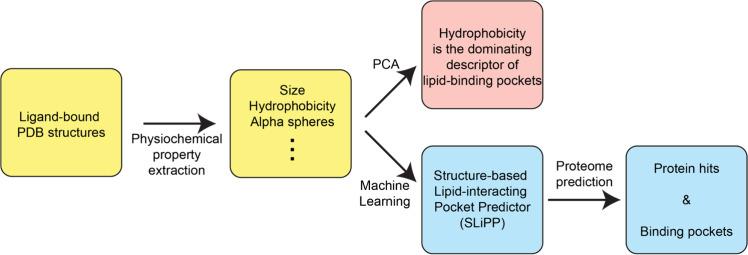
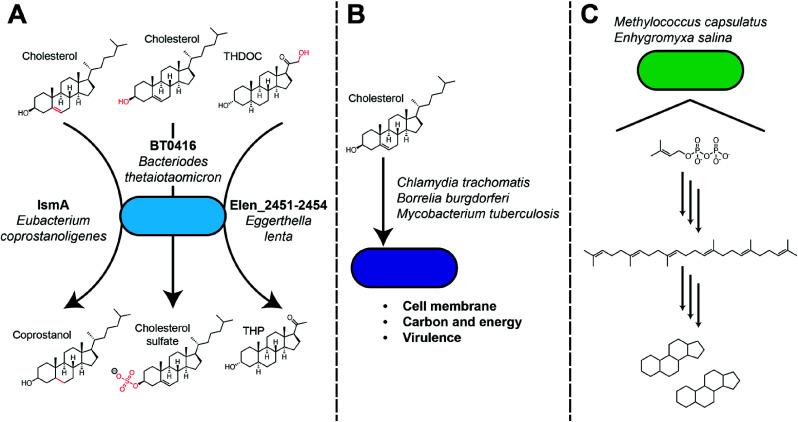
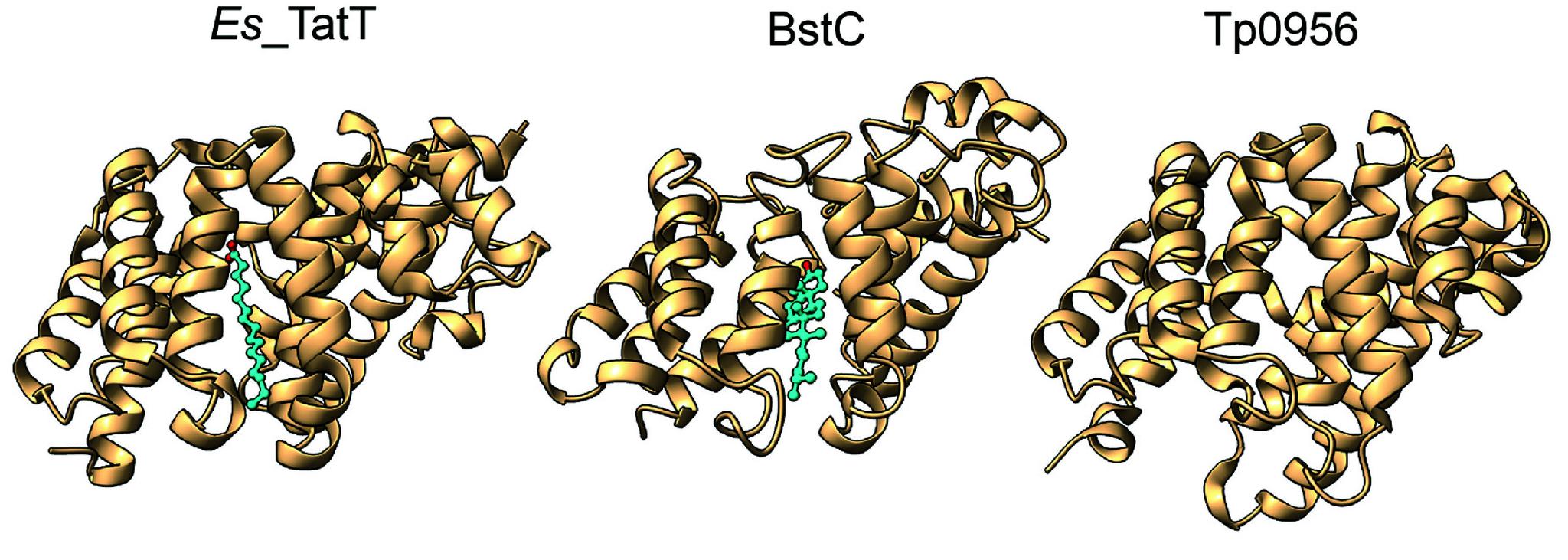
Lipids are essential for life and serve as cell envelope components, signaling molecules, and nutrients. For lipids to achieve their required functions, they need to be correctly localized. This requires the action of transporter proteins and an energy source. The current understanding of bacterial lipid transporters is limited to a few classes. Given the diversity of lipid species and the predicted existence of specific lipid transporters, many more transporters await discovery and characterization. These proteins could be prime targets for modulators that control bacterial cell proliferation and pathogenesis. One overarching goal of our research is to understand the molecular mechanisms of bacterial metabolite trafficking, including lipids, and to leverage that understanding to identify or engineer inhibitory ligands. In recent years, our work has revealed two novel lipid transport systems in bacteria: bacterial sterol transporters (Bst) A, B, and C in and the TatT proteins in and . Both systems are composed of transporters bioinformatically identified as being involved in the transport of other metabolites, but substrates were never revealed. However, the genetic colocalization of the genes encoding BstABC with sterol biosynthetic enzymes in suggested that they might recognize sterols as substrates. Also, homologues of TatTs are present in diverse bacteria but are overrepresented in bacteria deficient in de novo lipid synthesis or residing in nutrient-poor environments; we reasoned that these proteins might facilitate the transport of lipids. Our efforts to reveal the substrate scope of two TatT proteins revealed their engagement with long-chain fatty acids. Enabling the discovery of the BstABC system and the TatT proteins were bioinformatic analyses, quantitative measurements of protein-ligand equilibrium affinities, and high-resolution structural studies that provided remarkable insights into ligand binding cavities and the structural basis for ligand interaction. These approaches, in particular our bioinformatics and structural work, highlighted the diversity of protein sequence and structures amenable to lipid engagement. These observations allowed the hypothesis that lipid handling proteins, in general and especially so in the bacterial domain, can have diverse amino acid compositions and three-dimensional structures. As such, bioinformatics geared at identifying them in poorly characterized genomes is likely to miss many candidates that diverge from well-characterized family members. This realization spurred efforts to understand the unifying features in all of the lipid handling proteins we have characterized to date. To do this, we inspected the ligand binding sites of the proteins: they were remarkably hydrophobic and sometimes displayed a dichotomy of hydrophobic and hydrophilic amino acids, akin to the ligands that they accommodate in those cavities. Because of this, we reasoned that the physicochemical features of ligand binding cavities could be accurate predictors of a protein's propensity to bind lipids. This finding was leveraged to create structure-based lipid-interacting pocket predictor (SLiPP), a machine-learning algorithm capable of identifying ligand cavities with physico-chemical features consistent with those of known lipid binding sites. SLiPP is especially useful in poorly annotated genomes (such as with bacterial pathogens), where it could reveal candidate proteins to be targeted for the development of antimicrobials.
脂质对生命至关重要,可作为细胞膜成分、信号分子和营养物质。为使脂质发挥其所需功能,它们需要正确定位。这需要转运蛋白和能量源的作用。目前对细菌脂质转运蛋白的了解仅限于少数几类。鉴于脂质种类的多样性以及特定脂质转运蛋白的预测存在,还有更多的转运蛋白有待发现和表征。这些蛋白质可能是控制细菌细胞增殖和发病机制的调节剂的主要靶点。我们研究的一个总体目标是了解细菌代谢物运输的分子机制,包括脂质,并利用这一认识来识别或设计抑制性配体。近年来,我们的工作揭示了细菌中的两种新型脂质运输系统:肺炎支原体中的细菌固醇转运蛋白(Bst)A、B和C以及耻垢分枝杆菌和结核分枝杆菌中的TatT蛋白。这两种系统都由通过生物信息学鉴定为参与其他代谢物运输的转运蛋白组成,但从未揭示过底物。然而,肺炎支原体中编码BstABC的基因与固醇生物合成酶的基因共定位表明它们可能将固醇识别为底物。此外,TatT的同源物存在于多种细菌中,但在从头脂质合成缺陷或生活在营养贫乏环境中的细菌中含量过高;我们推断这些蛋白质可能促进脂质的运输。我们揭示两种TatT蛋白底物范围的努力揭示了它们与长链脂肪酸的结合。生物信息学分析、蛋白质 - 配体平衡亲和力的定量测量以及高分辨率结构研究促成了BstABC系统和TatT蛋白的发现,这些研究为配体结合腔和配体相互作用的结构基础提供了显著的见解。这些方法,特别是我们的生物信息学和结构工作,突出了适合脂质结合的蛋白质序列和结构的多样性。这些观察结果支持了这样一种假设,即脂质处理蛋白,一般而言尤其是在细菌领域,可能具有不同的氨基酸组成和三维结构。因此,旨在在特征不明确的基因组中识别它们的生物信息学很可能会错过许多与特征明确的家族成员不同的候选者。这一认识促使我们努力了解我们迄今表征的所有脂质处理蛋白中的统一特征。为此,我们检查了这些蛋白质的配体结合位点:它们非常疏水,有时显示出疏水和亲水氨基酸的二分法,类似于它们在这些腔中容纳的配体。因此,我们推断配体结合腔的物理化学特征可能是蛋白质结合脂质倾向的准确预测指标。这一发现被用于创建基于结构的脂质相互作用口袋预测器(SLiPP),这是一种机器学习算法,能够识别具有与已知脂质结合位点一致的物理化学特征的配体腔。SLiPP在注释不佳的基因组(如细菌病原体)中特别有用,在那里它可以揭示可作为抗菌药物开发靶点的候选蛋白质。



 Zotero 插件