
冷冻储存对不同特级初榨橄榄油的感官、理化和挥发性化合物参数的影响
Impact of Frozen Storage on Sensory, Physicochemical, and Volatile Compounds Parameters of Different Extra Virgin Olive Oils.
作者信息
Díaz-Montaña Enrique J, Barbero-López María, Aparicio-Ruiz Ramón, García-González Diego L, Morales María T
机构信息
Department of Analytical Chemistry, Faculty of Pharmacy, University of Seville, Prof. García González, 2, 41012 Seville, Spain.
Instituto de la Grasa (CSIC), Edificio 46, Ctra. de Utrera, Km. 1, 41013 Sevilla, Spain.
出版信息
Foods. 2024 Nov 24;13(23):3764. doi: 10.3390/foods13233764.
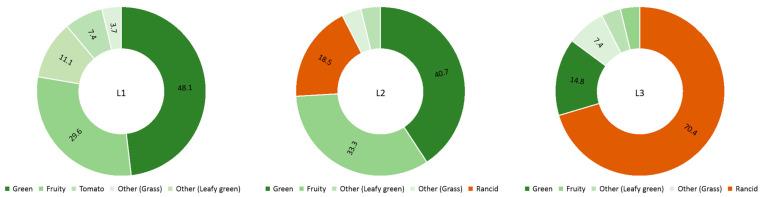
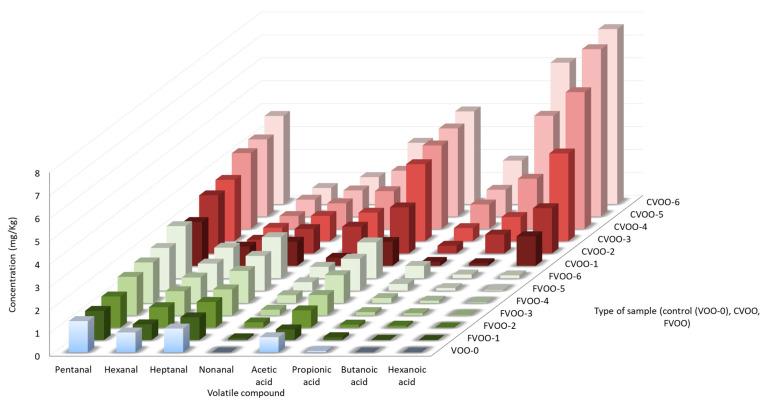
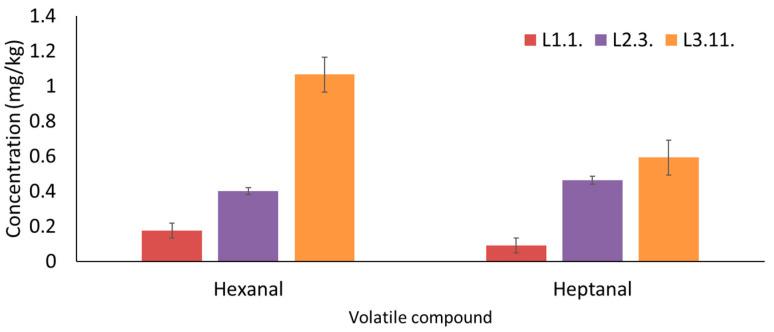
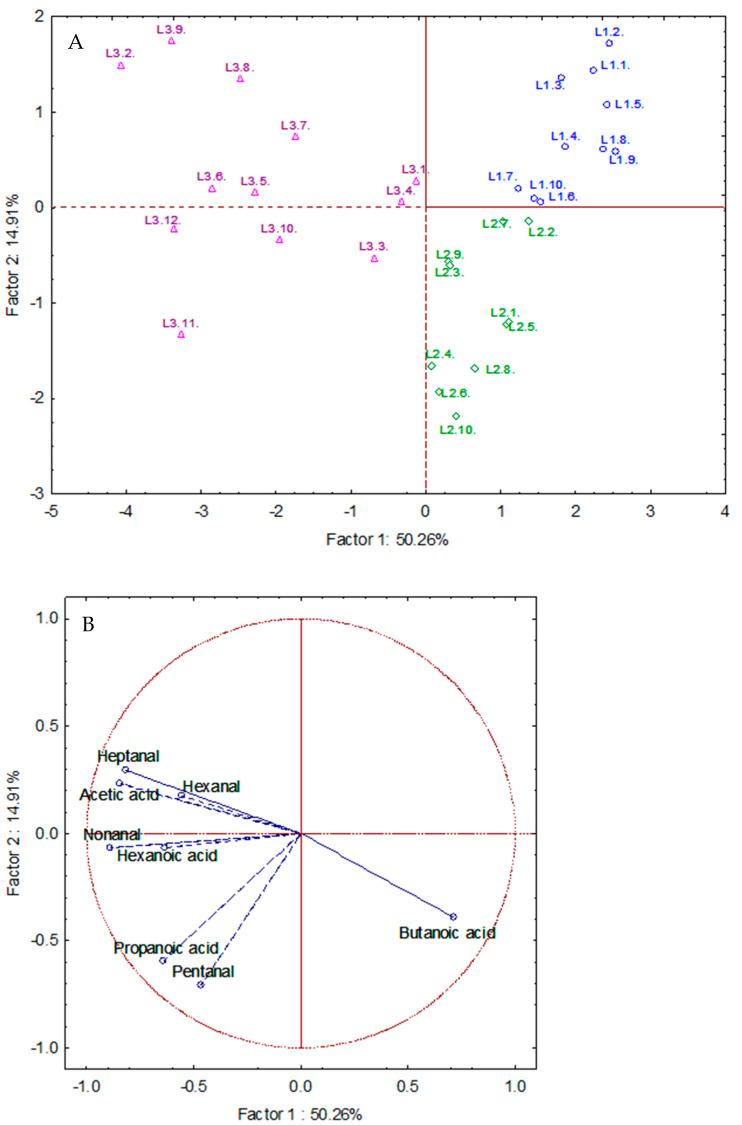
Storage is important for virgin olive oil, a product obtained only during the harvest period, which requires a year-round storage until its best-before date. Low temperatures slow undesirable reactions, though this method is not widely applied. The objective of this paper is to assess the impact of frozen storage on the volatile composition and sensory properties of virgin olive oils. The quality parameters, volatile composition, and sensory profiles were analyzed for samples stored under different conditions (time 0, sixth month supermarket and frozen storage, and long-term-frozen). The physicochemical parameters of the samples stored under supermarket conditions showed significant differences ( < 0.05), with the frozen-storage sample after three months of storage. Additionally, the samples stored under supermarket conditions showed higher volatile concentrations than frozen ones, with increased concentrations of aldehydes and acids producing sensory defects. Thirty-two samples, considered as the long-term-frozen, were divided into three groups depending on the frozen-storage time (1, 6 or 10 years). These long-term-frozen storage samples confirmed the suitability of the proposed oxidation markers (pentanal, hexanal, heptanal, nonanal, acetic, propanoic, butanoic, and hexanoic acids) for differentiating storage conditions and times. This work highlights the oxidation process under different storage conditions and suggests oxidation markers.
对于初榨橄榄油来说,储存很重要。初榨橄榄油是一种仅在收获季节获得的产品,需要全年储存直至保质期。低温会减缓不良反应,不过这种方法并未得到广泛应用。本文的目的是评估冷冻储存对初榨橄榄油挥发性成分和感官特性的影响。对在不同条件下储存的样品(时间0、超市储存六个月和冷冻储存以及长期冷冻)的质量参数、挥发性成分和感官特征进行了分析。在超市条件下储存的样品的理化参数与冷冻储存三个月后的样品相比存在显著差异(<0.05)。此外,在超市条件下储存的样品挥发性浓度高于冷冻样品,醛类和酸类浓度增加产生了感官缺陷。三十二个被视为长期冷冻的样品根据冷冻储存时间(1年、6年或10年)分为三组。这些长期冷冻储存的样品证实了所提出的氧化标志物(戊醛、己醛、庚醛、壬醛、乙酸、丙酸、丁酸和己酸)对于区分储存条件和时间的适用性。这项工作突出了不同储存条件下的氧化过程并提出了氧化标志物。
 Zotero 插件