
利用动态高压微流化改性豌豆分离蛋白和微晶纤维素制备3D可打印白鲢鱼鱼糜凝胶
Development of 3D Printable Silver Carp () Surimi Gel with Dynamic High-Pressure Microfluidization-Modified Pea Protein Isolate and Microcrystalline Cellulose.
作者信息
Liu Xiaodan, Le Qianyu, Shi Yi, Yu Ying, Zeng Jihao, Chen Huiyun, Wu Jinhong
机构信息
School of Food and Tourism, Shanghai Urban Construction Vocational College, Shanghai 201415, China.
Department of Food Science and Engineering, School of Agriculture and Biology, Shanghai Jiao Tong University, No. 800 DongChuan Road, Minhang District, Shanghai 200240, China.
出版信息
Foods. 2024 Dec 9;13(23):3966. doi: 10.3390/foods13233966.
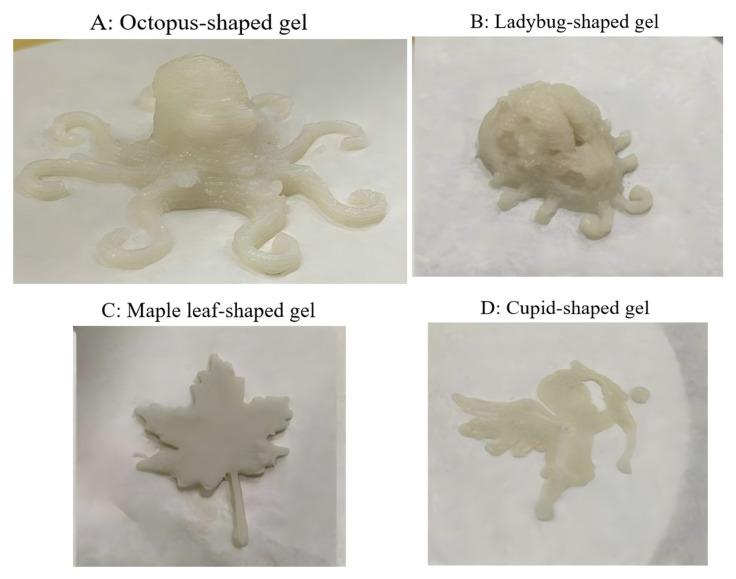
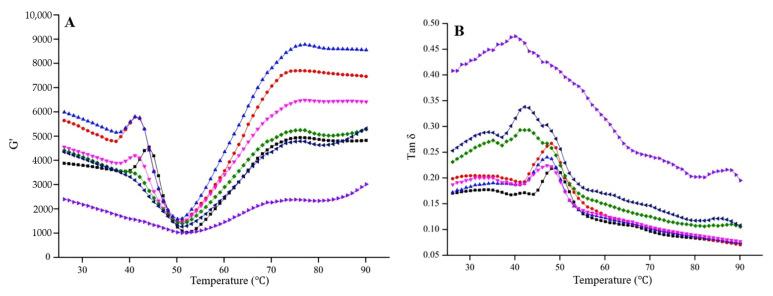
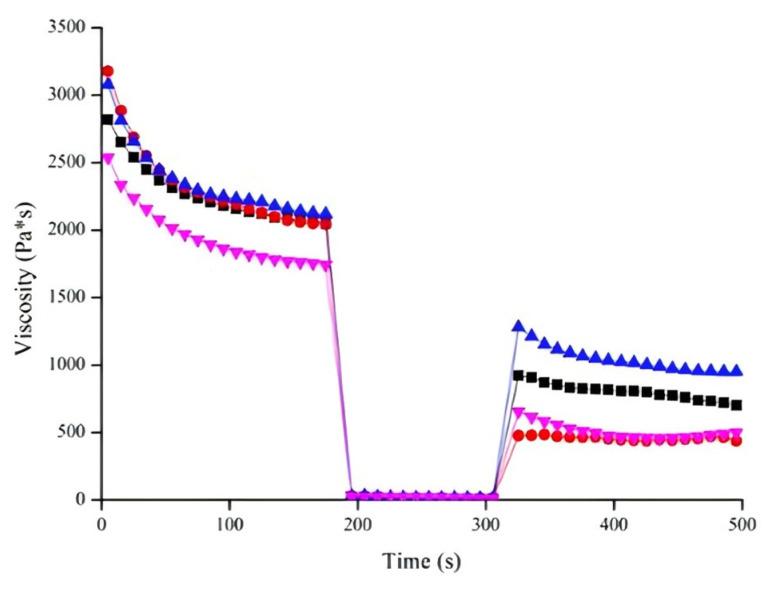
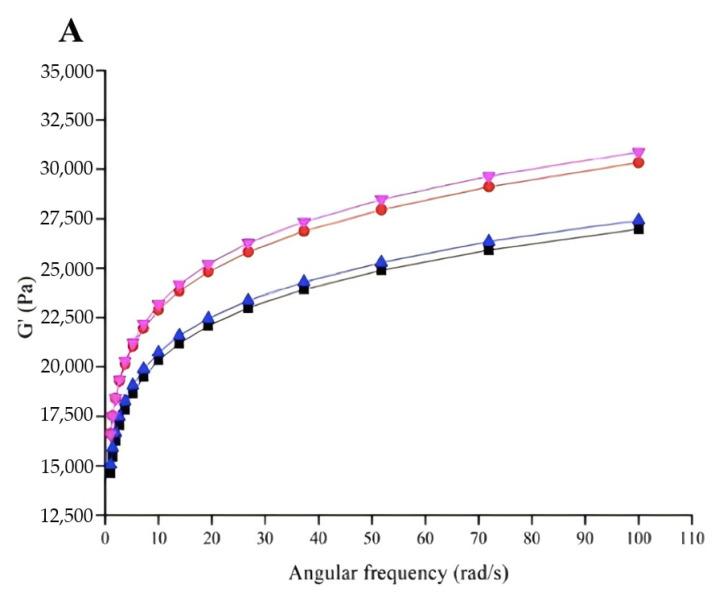
Sliver carp is a nutritious and abundant species in China, but its low market value stems from its thin meat, small bones and strong odor. Processing it into surimi enhances its economic value, though surimi typically has low gel strength and is prone to deterioration. Recently, three-dimensional (3D) printing has gained attention as an innovative additive manufacturing technique for personalization and process simplification requiring high-performance materials. This study intended to develop an optimized surimi formula for 3D printing with dynamic high-pressure microfluidization (DHPM)-modified pea protein isolate (PPI) and microcrystalline cellulose (MCC). Firstly, the effect of DHPM on PPI properties was evaluated, followed by the optimization of the surimi gel formula (72.093% water content, 3.203% PPI, 1.728% MCC, 1% salt, 1% collagen peptide and 20.976% sliver carp paste) and 3D printing parameters (2000 mm/min at 25 °C with a 1.5 mm nozzle). Rheological comparisons between the optimized surimi, surimi with commercial antifreeze and surimi with only PPI or MCC indicated that the optimized formulation exhibited clearer 3D printing outlines and reduced stickiness due to a higher recovery and lower loss modulus. These results demonstrated that DHPM-treated PPI and MCC enhanced the 3D printability of silver carp surimi gel, providing a new idea for a surimi product and supporting its potential applications in food 3D printing.
在中国,鲢鱼是一种营养丰富且产量高的鱼类,但其市场价值较低,原因在于其肉质薄、刺小且腥味重。将其加工成鱼糜可提高其经济价值,不过鱼糜通常凝胶强度低且容易变质。近来,三维(3D)打印作为一种创新的增材制造技术备受关注,它可实现个性化定制并简化流程,这需要高性能材料。本研究旨在开发一种优化的鱼糜配方,用于采用动态高压微流化(DHPM)改性豌豆蛋白分离物(PPI)和微晶纤维素(MCC)的3D打印。首先,评估了DHPM对PPI特性的影响,随后优化了鱼糜凝胶配方(含水量72.093%、PPI 3.203%、MCC 1.728%、盐1%、胶原蛋白肽1%以及鲢鱼鱼糜糊20.976%)和3D打印参数(25℃下以2000毫米/分钟的速度通过1.5毫米喷嘴)。对优化后的鱼糜、添加商业抗冻剂的鱼糜以及仅含PPI或MCC的鱼糜进行流变学比较表明,由于更高的回复率和更低的损耗模量,优化后的配方呈现出更清晰的3D打印轮廓且粘性降低。这些结果表明,经DHPM处理的PPI和MCC提高了鲢鱼鱼糜凝胶的3D可打印性,为鱼糜产品提供了新思路,并支持其在食品3D打印中的潜在应用。






 Zotero 插件