
推进微生物群疗法:合成生物学在构建用于精准医学的微生物群落中的作用。
Advancing microbiota therapeutics: the role of synthetic biology in engineering microbial communities for precision medicine.
作者信息
Nazir Asiya, Hussain Fathima Hasnain Nadeem, Raza Afsheen
机构信息
Department of Biomedical Sciences, College of Health Sciences, Abu Dhabi University, Abu Dhabi, United Arab Emirates.
出版信息
Front Bioeng Biotechnol. 2024 Dec 4;12:1511149. doi: 10.3389/fbioe.2024.1511149. eCollection 2024.
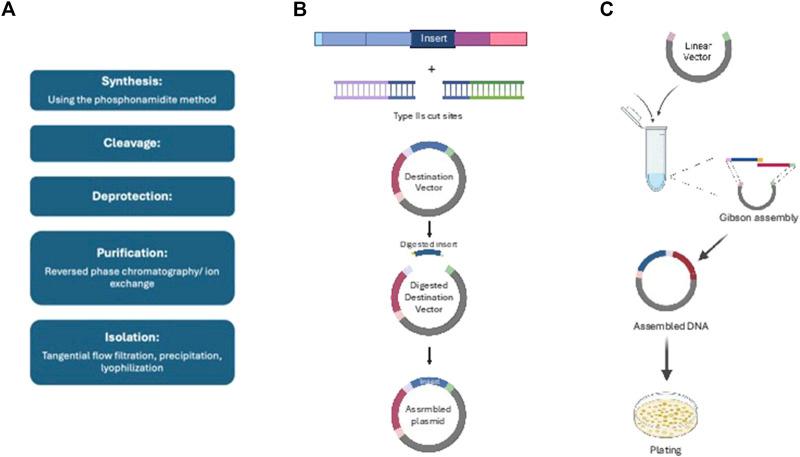
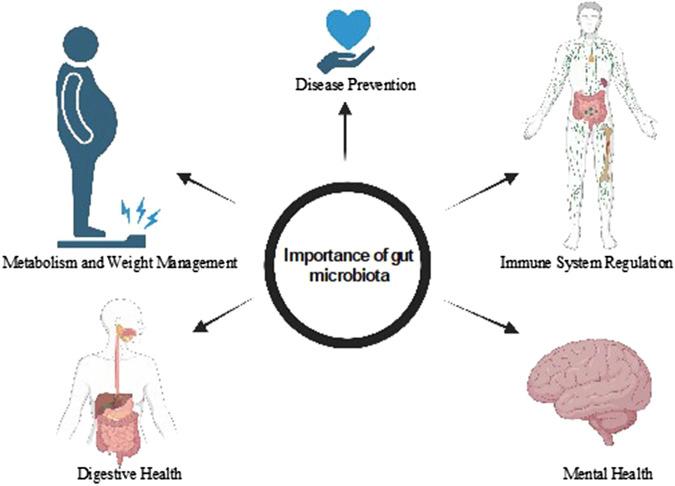
Over recent years, studies on microbiota research and synthetic biology have explored novel approaches microbial manipulation for therapeutic purposes. However, fragmented information is available on this aspect with key insights scattered across various disciplines such as molecular biology, genetics, bioengineering, and medicine. This review aims to the transformative potential of synthetic biology in advancing microbiome research and therapies, with significant implications for healthcare, agriculture, and environmental sustainability. By merging computer science, engineering, and biology, synthetic biology allows for precise design and modification of biological systems via cutting edge technologies like CRISPR/Cas9 gene editing, metabolic engineering, and synthetic oligonucleotide synthesis, thus paving the way for targeted treatments such as personalized probiotics and engineered microorganisms. The review will also highlight the vital role of gut microbiota in disorders caused by its dysbiosis and suggesting microbiota-based therapies and innovations such as biosensors for real-time gut health monitoring, non-invasive diagnostic tools, and automated bio foundries for better outcomes. Moreover, challenges including genetic stability, environmental safety, and robust regulatory frameworks will be discussed to understand the importance of ongoing research to ensure safe and effective microbiome interventions.
近年来,关于微生物群研究和合成生物学的研究探索了用于治疗目的的微生物操纵新方法。然而,这方面的信息零散,关键见解分散在分子生物学、遗传学、生物工程和医学等各个学科中。本综述旨在探讨合成生物学在推进微生物组研究和治疗方面的变革潜力,这对医疗保健、农业和环境可持续性具有重要意义。通过融合计算机科学、工程学和生物学,合成生物学能够通过CRISPR/Cas9基因编辑、代谢工程和合成寡核苷酸合成等前沿技术对生物系统进行精确设计和改造,从而为个性化益生菌和工程微生物等靶向治疗铺平道路。该综述还将强调肠道微生物群在其生态失调引起的疾病中的重要作用,并提出基于微生物群的治疗方法和创新,如用于实时肠道健康监测的生物传感器、非侵入性诊断工具以及用于获得更好结果的自动化生物铸造厂。此外,还将讨论包括遗传稳定性、环境安全性和健全监管框架在内的挑战,以理解持续研究对于确保安全有效的微生物组干预措施的重要性。

 Zotero 插件