
基于转录组分析的紫花苜蓿对低温胁迫的分子响应研究
Study on molecular response of alfalfa to low temperature stress based on transcriptomic analysis.
作者信息
Xu Hongyu, Zhang Zipei, Zhao Qingcui, Gao Yaqi, Xiang Yan, Chai Jialong, Li Yuying, Hou Xiangyang
机构信息
College of Grassland Science, Shanxi Agricultural University, Taigu City, Shanxi Province, 030801, China.
Key Laboratory of Model Innovation in Efficient Forage Production, Ministry of Agriculture and Rural Affairs, Taigu City, Shanxi Province, 030801, China.
出版信息
BMC Plant Biol. 2024 Dec 23;24(1):1244. doi: 10.1186/s12870-024-05987-5.
BACKGROUND
Alfalfa (Medicago sativa L.) is an important high-quality forage crop. Low temperature is an abiotic stress factor that affects the distribution and productivity of alfalfa. To further understand the molecular response to low temperature, and to identify additional genes and metabolic pathways associated with cold tolerance in alfalfa, in this study we conducted transcriptome sequencing, weighted gene co-expression network analysis, KEGG pathway enrichment analysis, and quantitative real-time PCR validation in alfalfa cultivars subjected to low-temperature treatment.
RESULTS
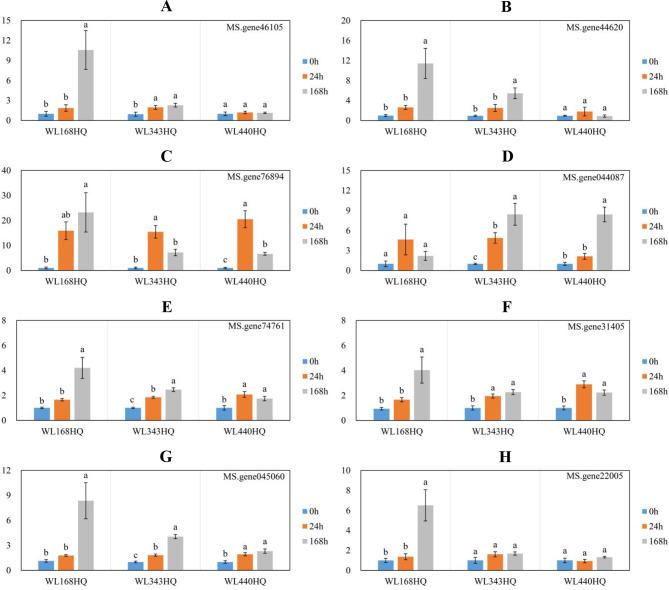
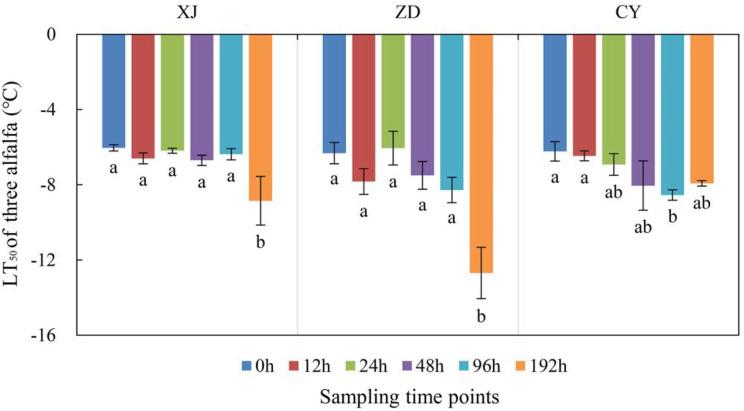
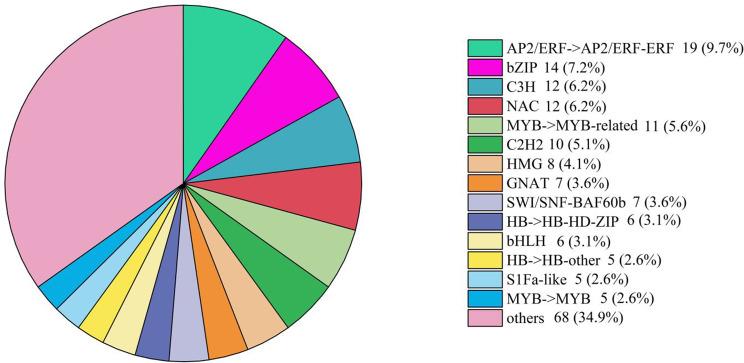
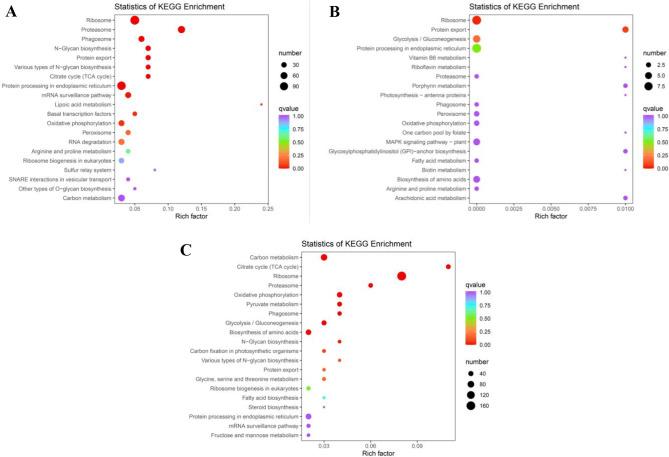
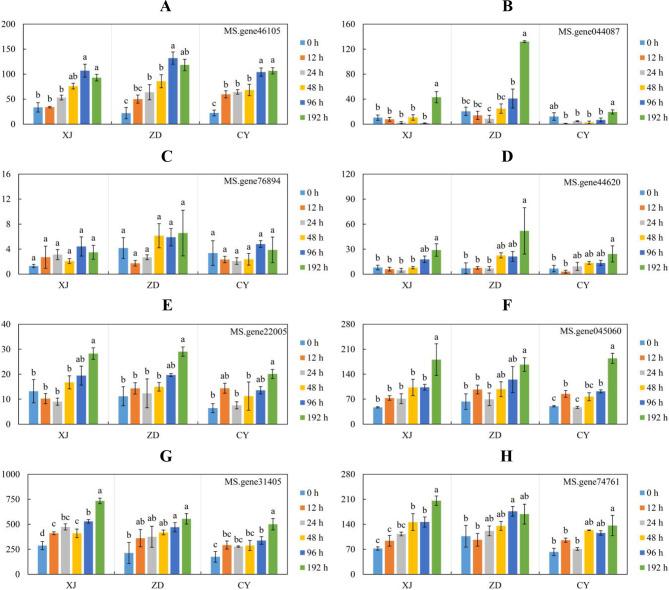
Weighted gene co-expression network analysis revealed that three gene modules were significantly negatively correlated with the semi-lethal temperature for alfalfa. Genes in the three modules were used to construct gene co-expression networks, from which MS.gene46105, MS.gene044087, MS.gene76894, MS.gene44620, MS.gene22005, MS.gene045060, MS.gene31405, and MS.gene74761 were selected as important genes associated with cold tolerance. Quantitative real-time PCR analysis of these eight genes validated the reliability of the transcriptome sequencing data. In addition, further analysis of the genes within the three modules revealed that several transcription factors (AP2/ERF, bZIP, C3H, NAC, and others) and metabolic pathways (N-glycan biosynthesis, citrate cycle, glycolysis/gluconeogenesis, and carbon metabolism, and others) responded well to the low temperature.
CONCLUSIONS
Three gene modules, eight genes, several transcription factors and multiple metabolic pathways associated with cold tolerance were screened. This results will provide a valuable reference for further clarification of the cold tolerance mechanism and breeding for cold tolerance in alfalfa.
背景
紫花苜蓿(Medicago sativa L.)是一种重要的优质饲料作物。低温是影响紫花苜蓿分布和生产力的非生物胁迫因素。为了进一步了解紫花苜蓿对低温的分子响应,并鉴定与紫花苜蓿耐寒性相关的其他基因和代谢途径,在本研究中,我们对经过低温处理的紫花苜蓿品种进行了转录组测序、加权基因共表达网络分析、KEGG通路富集分析和定量实时PCR验证。
结果
加权基因共表达网络分析表明,三个基因模块与紫花苜蓿的半致死温度显著负相关。利用这三个模块中的基因构建基因共表达网络,从中选择MS.gene46105、MS.gene044087、MS.gene76894、MS.gene44620、MS.gene22005、MS.gene045060、MS.gene31405和MS.gene74761作为与耐寒性相关的重要基因。对这八个基因的定量实时PCR分析验证了转录组测序数据的可靠性。此外,对三个模块内基因的进一步分析表明,几种转录因子(AP2/ERF、bZIP、C3H、NAC等)和代谢途径(N-聚糖生物合成、柠檬酸循环、糖酵解/糖异生和碳代谢等)对低温反应良好。
结论
筛选出了与耐寒性相关的三个基因模块、八个基因、几种转录因子和多个代谢途径。该结果将为进一步阐明紫花苜蓿耐寒机制和耐寒育种提供有价值的参考。


 Zotero 插件