
负载头蛋白的纳米壳聚糖/聚吡咯-海藻酸盐导电支架培养的胎盘源干细胞修复脊髓损伤的治疗潜力
Therapeutic potential of placenta-derived stem cells cultivated on noggin-loaded nanochitosan/polypyrrole-alginate conductive scaffold to restore spinal cord injury.
作者信息
Manzari-Tavakoli Asma, Babajani Amirhesam, Vousooghi Nasim, Moghimi Ali, Tarasi Roghayeh, Safaeinejad Fahimeh, Norouzi Samira, Bahrami Soheyl, Niknejad Hassan
机构信息
Department of Pharmacology, School of Medicine, Shahid Beheshti University of Medical Sciences, Tehran, Iran.
Department of Applied Cell Sciences, School of Advanced Technologies in Medicine, Tehran University of Medical Sciences, Tehran, Iran.
出版信息
Stem Cell Res Ther. 2024 Dec 23;15(1):497. doi: 10.1186/s13287-024-04104-5.
OBJECTIVE
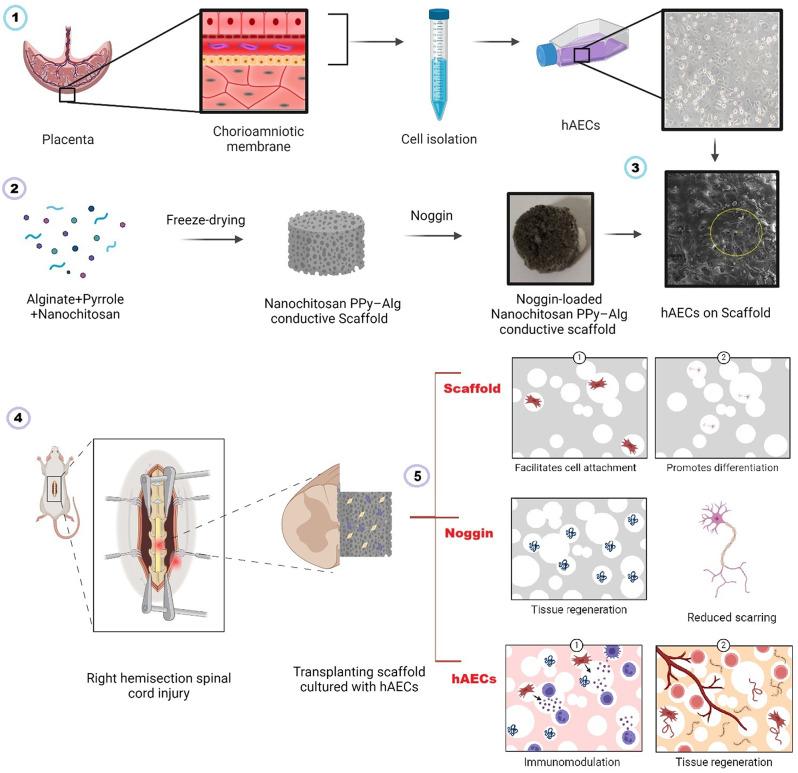
Spinal cord injury (SCI) is a severe and permanent nerve damage condition that poses significant burdens on individuals and society. Various therapeutic approaches have been explored to mitigate the consequences of SCI. Tissue engineering and regenerative medicine have emerged as a promising avenue for addressing this issue. This study aims to investigate the potential of a nanochitosan/polypyrrole-alginate conductive scaffold, loaded with the Noggin growth factor, an inhibitor of BMP-4 signaling, and human amniotic epithelial cells (hAECs), in promoting the regeneration of SCI in animal models.
METHODS
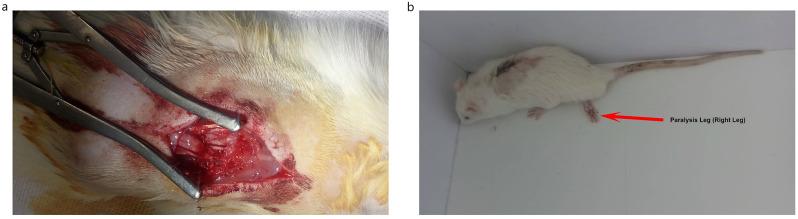
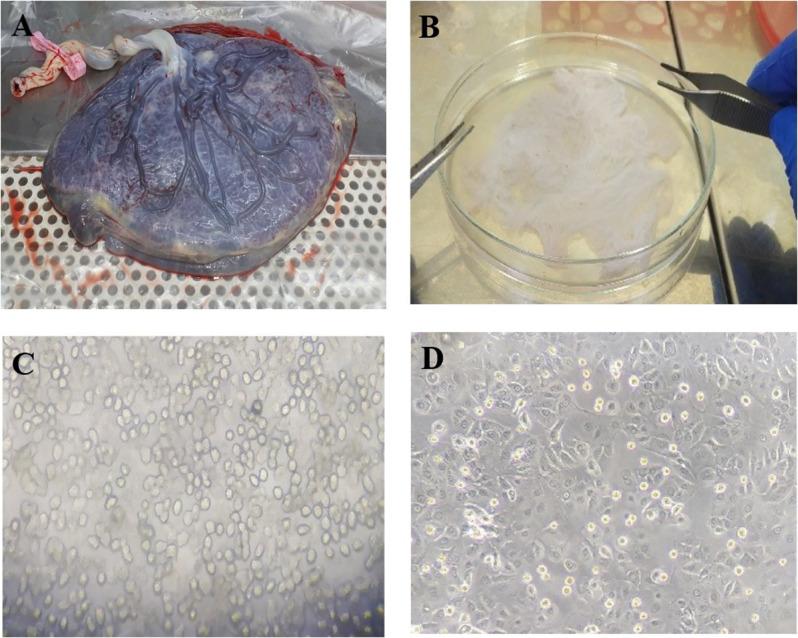
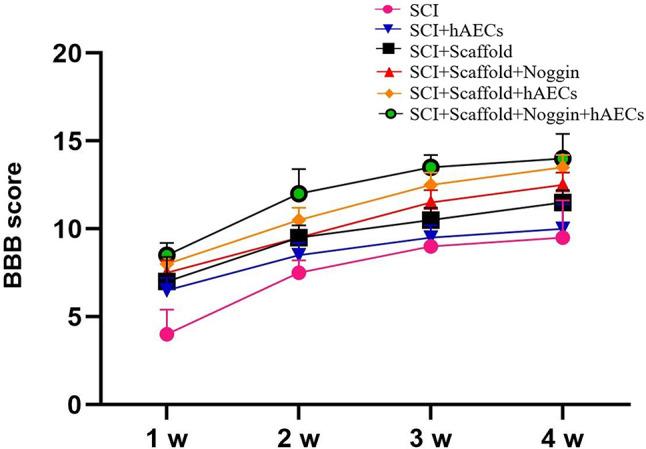
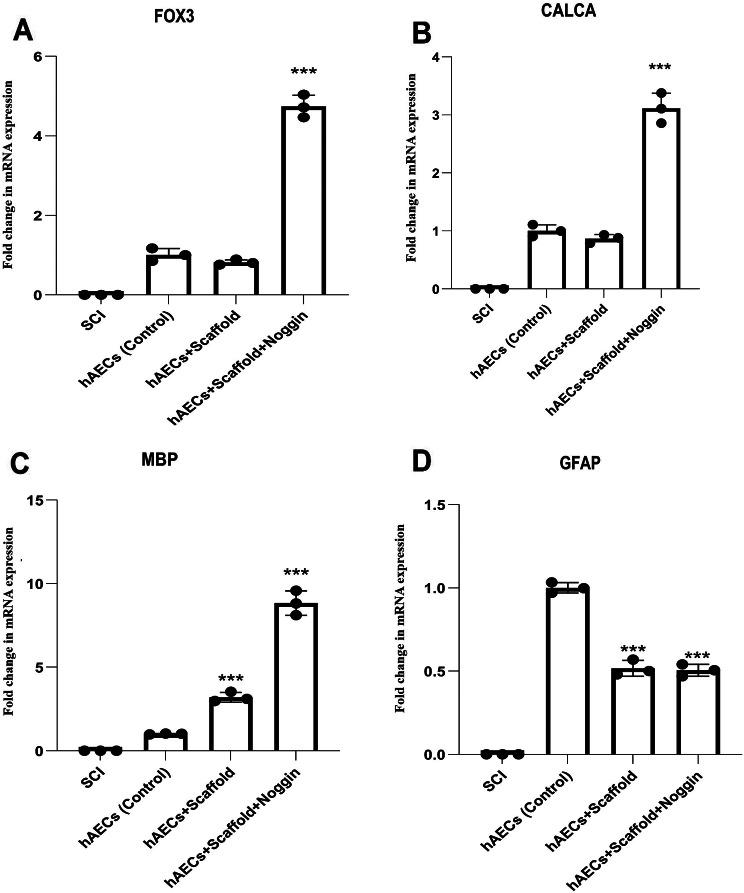
The attachment and distribution of isolated hAECs on a fabricated nanochitosan/polypyrrole-alginate conductive scaffold were assessed using SEM. Additionally, the neural differentiation of hAECs on the scaffold was investigated by analyzing the expression of specific neuronal (Calca, Fox3), oligodendrocyte (MBP), and astrocyte (GFAP) genes in vitro. To evaluate the combined effect of the scaffold and Noggin growth factor in animal models, a Noggin-loaded scaffold was designed using bioinformatics, and the loading and release capacity of Noggin were measured. For in vivo studies, rats underwent laminectomy and were transplanted with the scaffold, either alone or with Noggin and DII labeled- hAECs, at the T10-T11 level. Motor functions of the animal were evaluated using BBB scoring weekly in an open field for four weeks. Furthermore, the expression of neural genes and immunohistochemical tests were evaluated after four weeks.
RESULTS
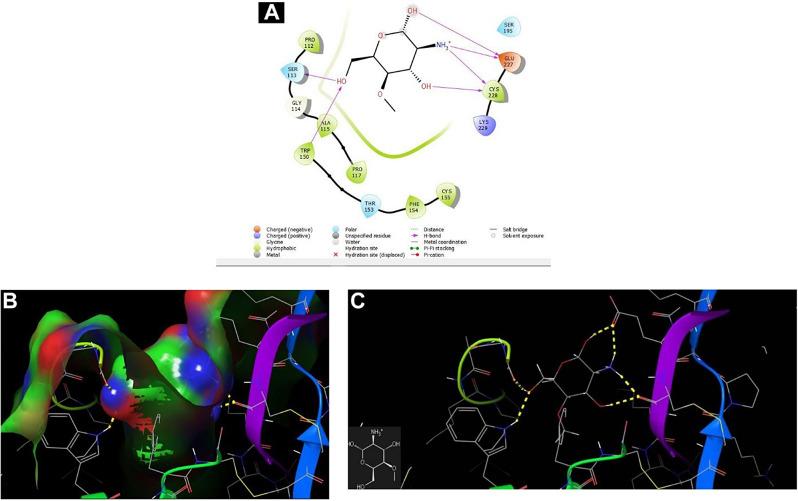
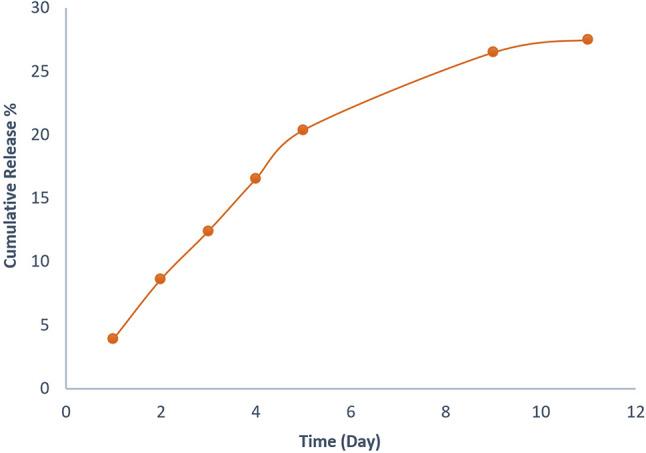
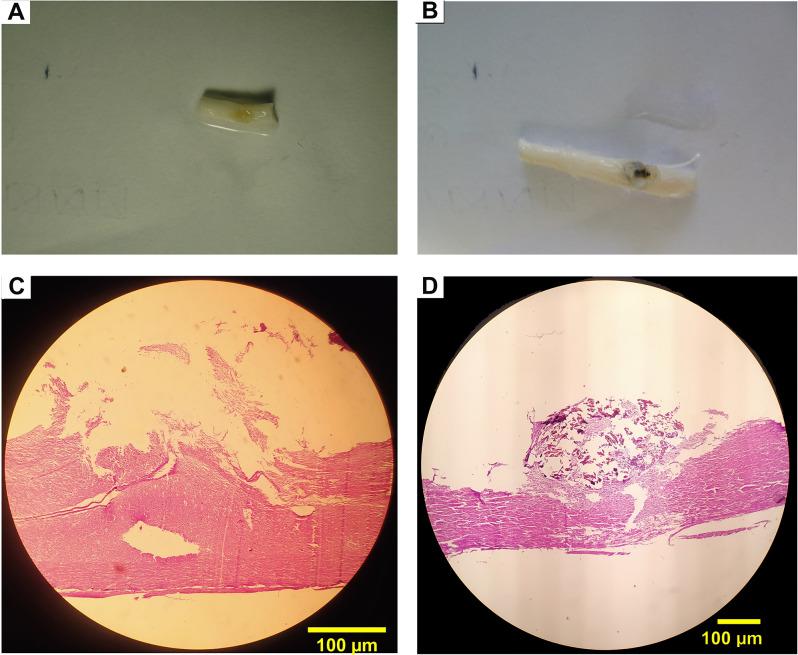
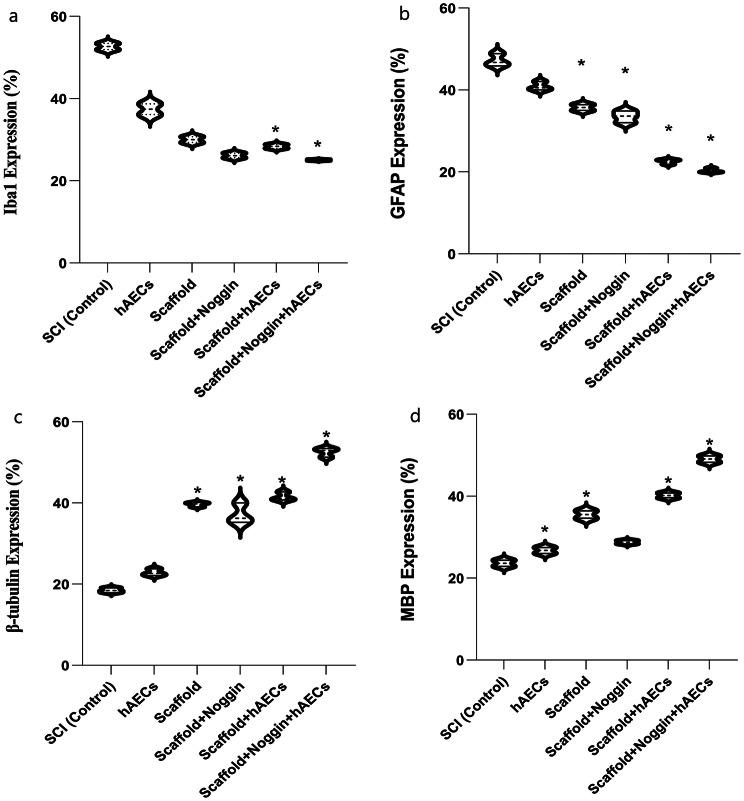
hAECs exhibited uniform distribution and attachment to the scaffold. In vitro differentiation analyses showed increased expression of Calca, Fox3, MBP, and GFAP genes. Docking results indicated that Noggin could interact with chitosan nanoparticles through hydrogen bonds. The chitosan nanoparticles effectively loaded 22.6% of exposed Noggin, and the scaffold released 28.5% of the total incorporated Noggin. In vivo studies demonstrated that transplanting nanochitosan/polypyrrole-alginate conductive scaffolds with DII labeled-hAECs, with or without Noggin, improved motor functions in animal models. The assessment of gene expression patterns in transplanted hAECs revealed that neuronal (Calca, Fox3) and oligodendrocyte (MBP) genes in the injured spinal cord of the animal models were upregulated. Histopathological analysis showed a reduction in inflammation and glial scar formation, while neural fiber regeneration increased in the treated animals. Also, DII labeled-hAECs in the lesion site were alive after a period of four weeks.
CONCLUSION
Based on these findings, it can be inferred that the integrative therapeutic effects of human amniotic epithelial cells, nanochitosan/polypyrrole-Alginate conductive scaffold, and Noggin (as BMP-4 signaling inhibitor) represents a promising and innovative approach in the field of translational medicine.
目的
脊髓损伤(SCI)是一种严重且永久性的神经损伤疾病,给个人和社会带来了沉重负担。人们已经探索了各种治疗方法来减轻SCI的后果。组织工程和再生医学已成为解决这一问题的一个有前景的途径。本研究旨在探讨负载骨形态发生蛋白-4信号抑制剂Noggin生长因子和人羊膜上皮细胞(hAECs)的纳米壳聚糖/聚吡咯-海藻酸盐导电支架在促进动物模型中脊髓损伤再生方面的潜力。
方法
使用扫描电子显微镜(SEM)评估分离的hAECs在制备的纳米壳聚糖/聚吡咯-海藻酸盐导电支架上的附着和分布情况。此外,通过分析体外特定神经元(Calca、Fox3)、少突胶质细胞(髓鞘碱性蛋白,MBP)和星形胶质细胞(胶质纤维酸性蛋白,GFAP)基因的表达,研究hAECs在支架上的神经分化情况。为了评估支架和Noggin生长因子在动物模型中的联合作用,利用生物信息学设计了负载Noggin的支架,并测量了Noggin的负载和释放能力。对于体内研究,大鼠接受椎板切除术,并在T10 - T11水平单独或与Noggin和二碘荧光素(DII)标记的hAECs一起移植支架。在开放场地中每周使用BBB评分评估动物的运动功能,持续四周。此外,四周后评估神经基因的表达和进行免疫组织化学检测。
结果
hAECs在支架上呈现均匀分布和附着。体外分化分析显示Calca、Fox3、MBP和GFAP基因的表达增加。对接结果表明Noggin可以通过氢键与壳聚糖纳米颗粒相互作用。壳聚糖纳米颗粒有效负载了22.6%的外露Noggin,并且支架释放了总共掺入的Noggin的28.5%。体内研究表明,移植带有或不带有Noggin的DII标记的hAECs的纳米壳聚糖/聚吡咯-海藻酸盐导电支架可改善动物模型的运动功能。对移植的hAECs中基因表达模式的评估显示,动物模型受损脊髓中的神经元(Calca、Fox3)和少突胶质细胞(MBP)基因上调。组织病理学分析显示炎症和胶质瘢痕形成减少,而治疗动物的神经纤维再生增加。此外,损伤部位的DII标记的hAECs在四周后仍然存活。
结论
基于这些发现,可以推断人羊膜上皮细胞、纳米壳聚糖/聚吡咯-海藻酸盐导电支架和Noggin(作为骨形态发生蛋白-4信号抑制剂)的综合治疗效果代表了转化医学领域一种有前景的创新方法。


 Zotero 插件