
微生物不在的地方。
Where the microbes aren't.
作者信息
Cockell Charles S
机构信息
UK Centre for Astrobiology, School of Physics and Astronomy, University of Edinburgh, Edinburgh EH9 3JZ, United Kingdom.
出版信息
FEMS Microbiol Rev. 2025 Jan 14;49. doi: 10.1093/femsre/fuae034.
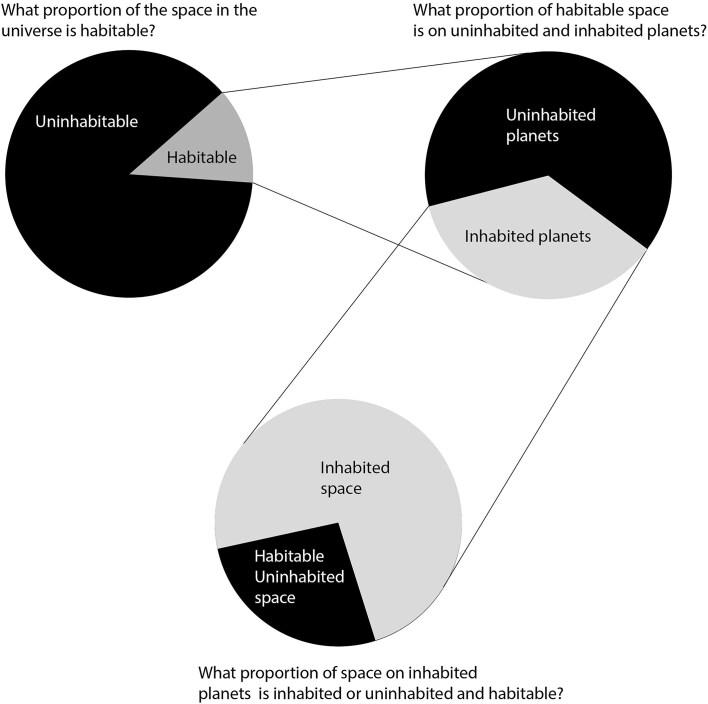
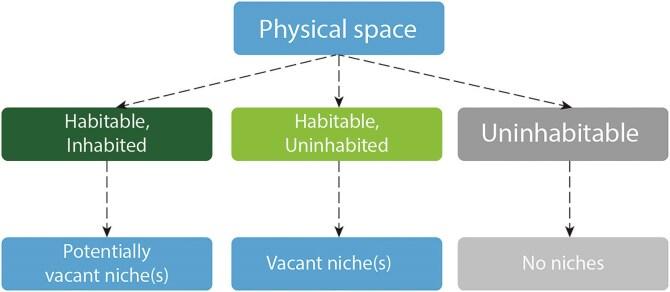
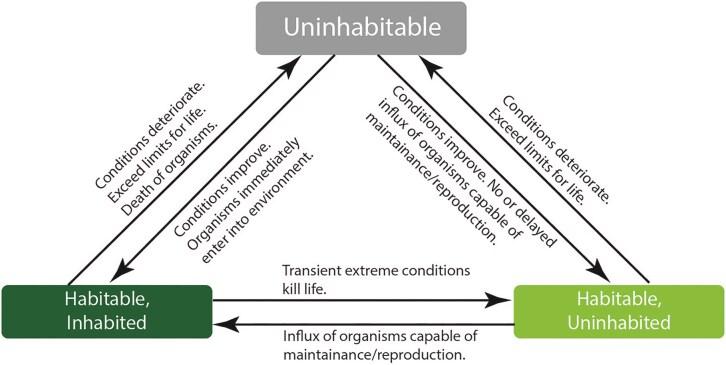
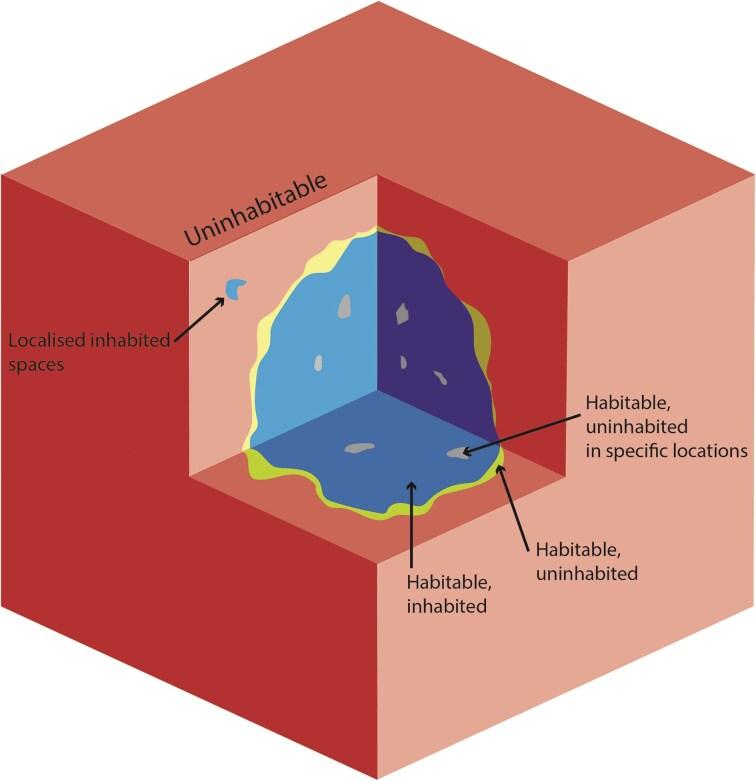
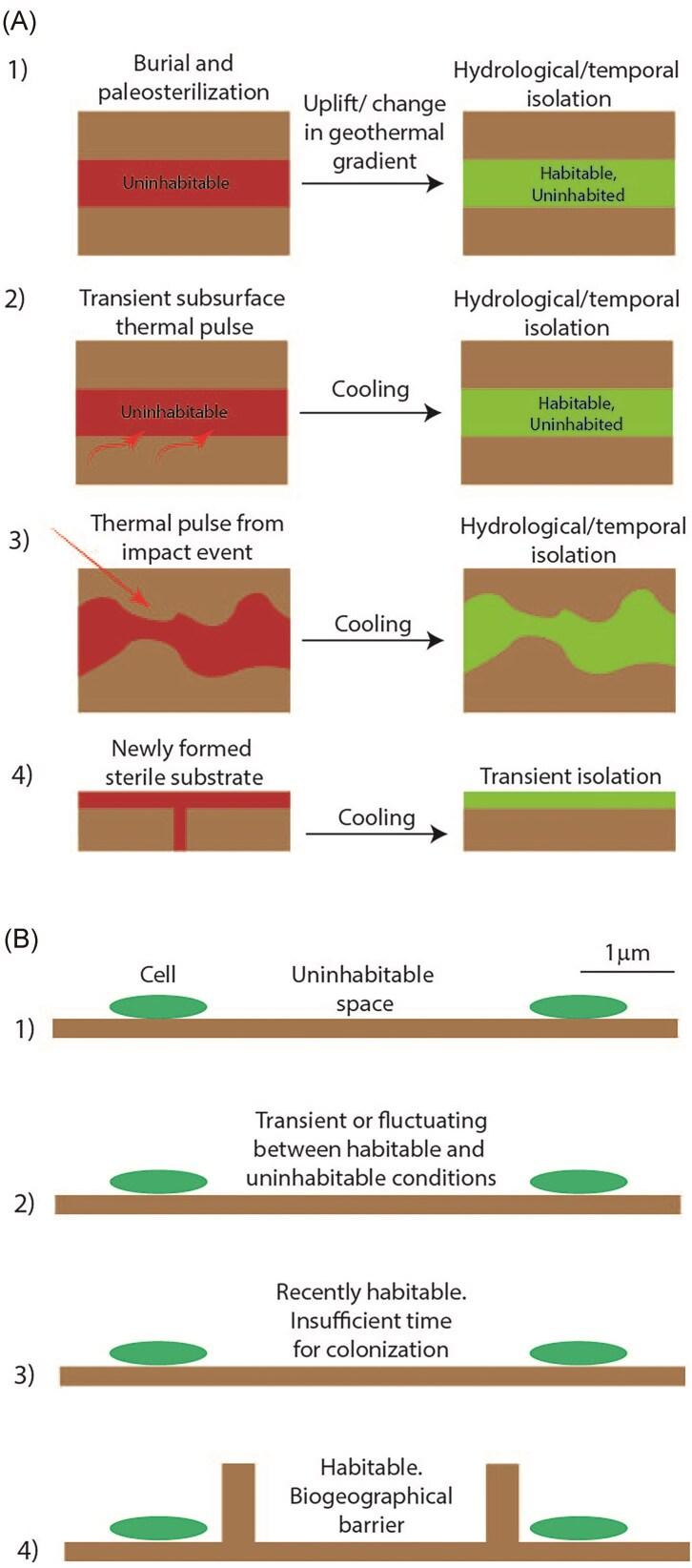
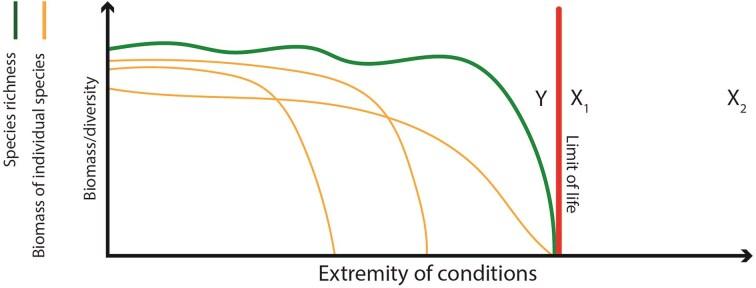
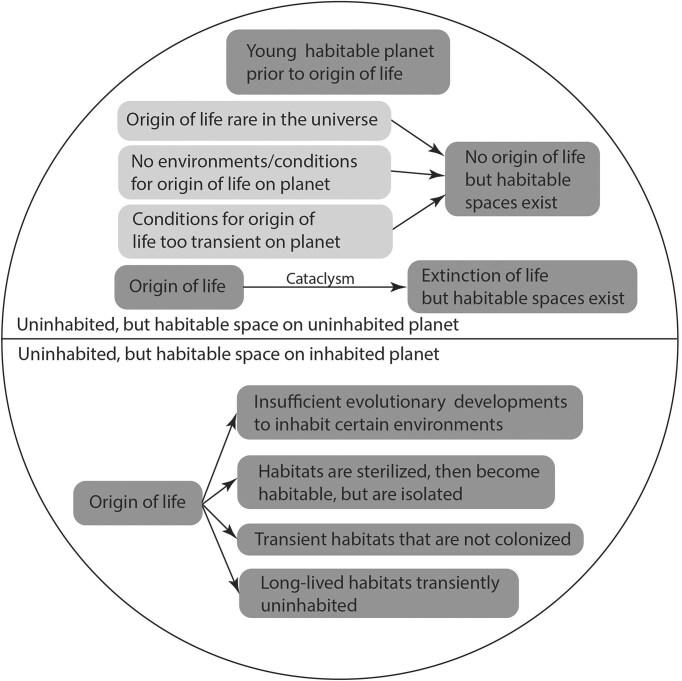
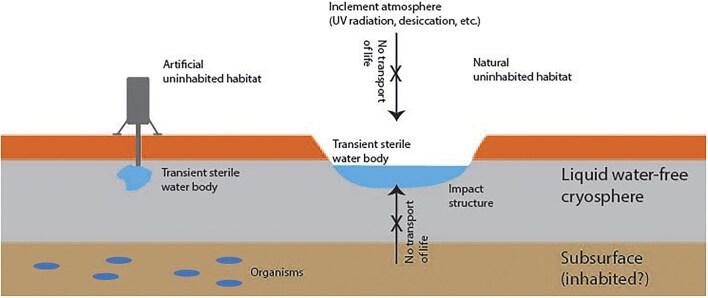
Although a large fraction of Earth's volume and most places beyond the planet lack life because physical and chemical conditions are too extreme, intriguing scientific questions are raised in many environments within or at the edges of life's niche space in which active life is absent. This review explores the environments in which active microorganisms do not occur. Within the known niche space for life, uninhabited, but habitable physical spaces potentially offer opportunities for hypothesis testing, such as using them as negative control environments to investigate the influence of life on planetary processes. At the physico-chemical limits of life, questions such as whether spaces devoid of actively metabolizing or reproducing life constitute uninhabitable space or space containing vacant niches that could be occupied with appropriate adaptation are raised. We do not know the extent to which evolution has allowed life to occupy all niche space within its biochemical potential. The case of habitable extraterrestrial environments and the scientific and ethical questions that they raise is discussed.
尽管地球的大部分体积以及地球之外的大多数地方都缺乏生命,因为物理和化学条件过于极端,但在生命生态位空间内部或边缘的许多没有活跃生命的环境中,却引发了有趣的科学问题。本综述探讨了不存在活跃微生物的环境。在已知的生命生态位空间内,无人居住但适合居住的物理空间可能为假设检验提供机会,例如将它们用作阴性对照环境,以研究生命对行星过程的影响。在生命的物理化学极限处,会引发一些问题,比如没有活跃代谢或繁殖生命的空间是构成了不可居住空间,还是包含了可以通过适当适应而被占据的空生态位的空间。我们不知道进化在多大程度上使生命能够占据其生化潜能范围内的所有生态位空间。本文还讨论了可居住的外星环境的情况以及它们引发的科学和伦理问题。


 Zotero 插件