
细胞归巢行为在肿瘤免疫治疗中的潜力:从基础发现到免疫细胞、间充质干细胞和癌细胞归巢的临床应用
The potential of cellular homing behavior in tumor immunotherapy: from basic discoveries to clinical applications of immune, mesenchymal stem, and cancer cell homing.
作者信息
Li Dongtao, Yang Yixuan, Zheng Guangda, Meng Linghan, Shang Lu, Ren Juanxia, Wang Lingyun, Bao Yanju
机构信息
Department of Oncology, Guang'anmen Hospital, China Academy of Chinese Medical Sciences, Beijing, China.
First Clinical College, Liaoning University of Traditional Chinese Medicine, Shenyang, Liaoning, China.
出版信息
Front Immunol. 2024 Dec 12;15:1495978. doi: 10.3389/fimmu.2024.1495978. eCollection 2024.
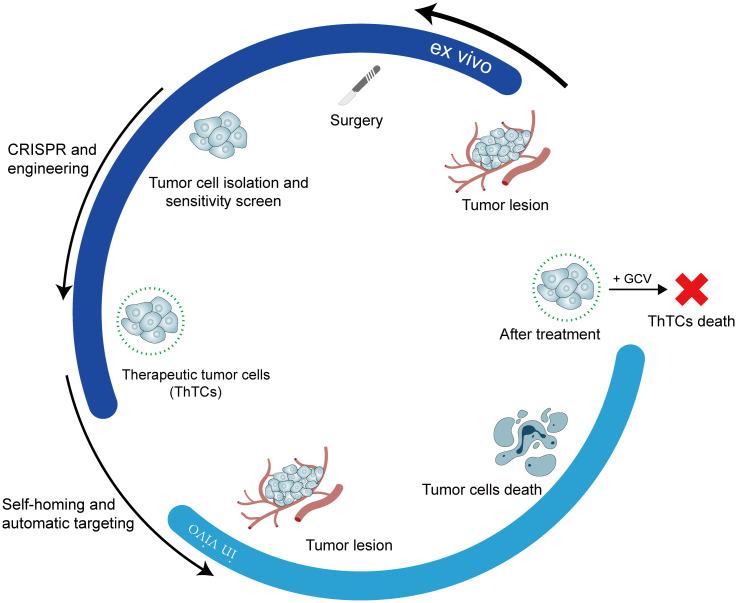
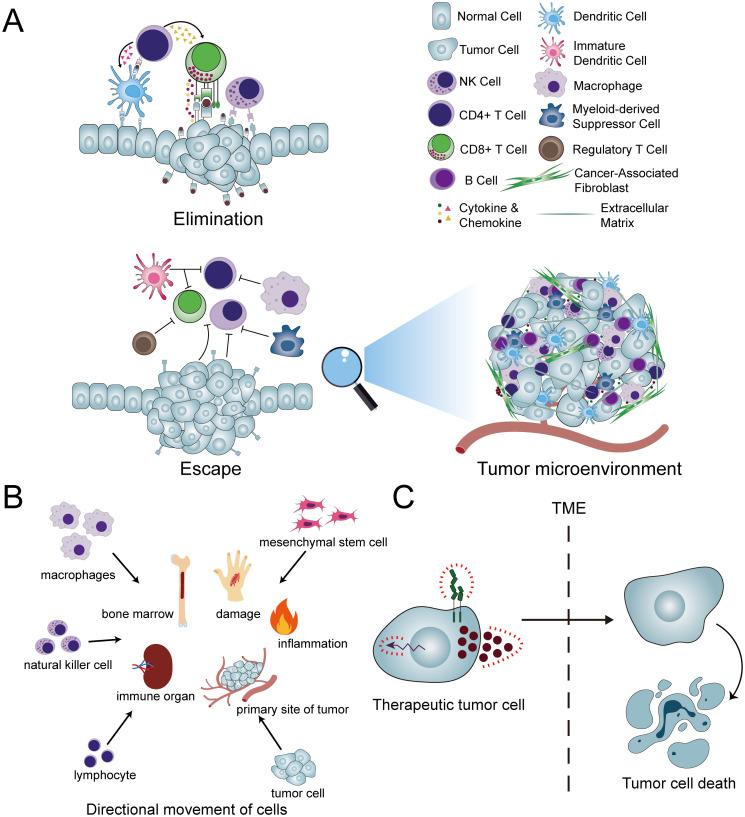
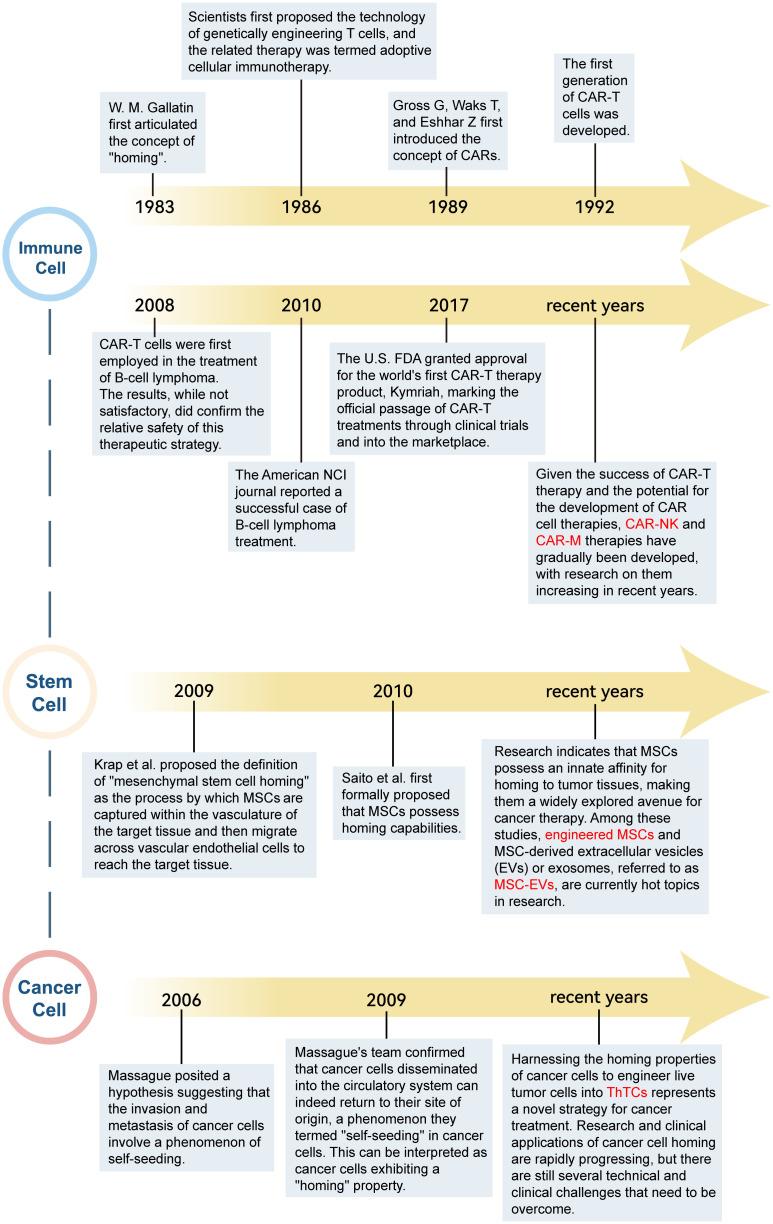
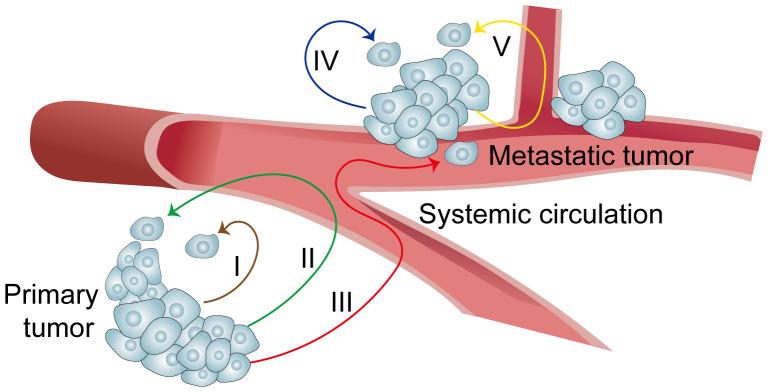
The efficacy of immunotherapy, a pivotal approach in the arsenal of cancer treatment strategies, is contingent on the capacity of effector cells to localize at the tumor site. The navigational capacity of these cells is intricately linked to the homing behaviors of specific cell types. Recent studies have focused on leveraging immune cells and mesenchymal stem cells (MSCs) homing for targeted tumor therapy and incorporating cancer cell homing properties into anti-tumor strategies. However, research and development of immunotherapy based on cancer cell homing remain in their preliminary stages. Enhancing the homing efficiency of effector cells is essential; therefore, understanding the underlying mechanisms and addressing immune resistance within the tumor microenvironment and challenges associated with therapeutic agent delivery are essential. This review firstly delineates the discovery and clinical translation of the three principal cell-homing behaviors. Secondly, we endeavor to conduct an in-depth analysis of existing research on the homing of immune and stem cells in cancer therapy, with the aim of identifying and understanding of the common applications, potential benefits, barriers, and critical success factors of cellular homing therapies. Finally, based on the understanding of the key factors of cellular homing therapies, we provide an overview and outlook on the enormous potential of harnessing cancer cells' self-homing to treat tumors. Although immunotherapy based on cell-homing behavior warrants further research, it remains a highly competitive treatment modality that can be combined with existing classic anti-cancer therapies. In general, combining the homing properties of cells to optimize their clinical effects is also one of the future research directions in the field of cell transplantation.
免疫疗法作为癌症治疗策略中的关键方法,其疗效取决于效应细胞在肿瘤部位定位的能力。这些细胞的导航能力与特定细胞类型的归巢行为密切相关。最近的研究集中在利用免疫细胞和间充质干细胞(MSCs)的归巢进行靶向肿瘤治疗,并将癌细胞的归巢特性纳入抗肿瘤策略。然而,基于癌细胞归巢的免疫疗法的研发仍处于初步阶段。提高效应细胞的归巢效率至关重要;因此,了解潜在机制、解决肿瘤微环境中的免疫抗性以及与治疗剂递送相关的挑战至关重要。本综述首先阐述了三种主要细胞归巢行为的发现及临床转化。其次,我们致力于对癌症治疗中免疫细胞和干细胞归巢的现有研究进行深入分析,旨在识别和理解细胞归巢疗法的常见应用、潜在益处、障碍及关键成功因素。最后,基于对细胞归巢疗法关键因素的理解,我们对利用癌细胞自身归巢治疗肿瘤的巨大潜力进行了概述和展望。尽管基于细胞归巢行为的免疫疗法有待进一步研究,但它仍然是一种极具竞争力的治疗方式,可与现有的经典抗癌疗法相结合。总体而言,结合细胞的归巢特性以优化其临床效果也是细胞移植领域未来的研究方向之一。
 Zotero 插件