
早年生活应激会改变关键期并导致视觉皮层过早发育。
Early life stress shifts critical periods and causes precocious visual cortex development.
作者信息
Poplawski Janet, Montina Tony, Metz Gerlinde A S
机构信息
Canadian Centre for Behavioural Neuroscience, Department of Neuroscience, University of Lethbridge, Lethbridge, AB, Canada.
Institute for Genetics and Cancer, University of Edinburgh, Edinburgh, Midlothian, United Kingdom.
出版信息
PLoS One. 2024 Dec 31;19(12):e0316384. doi: 10.1371/journal.pone.0316384. eCollection 2024.
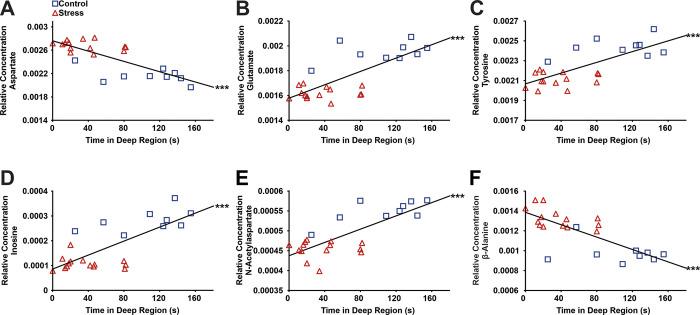
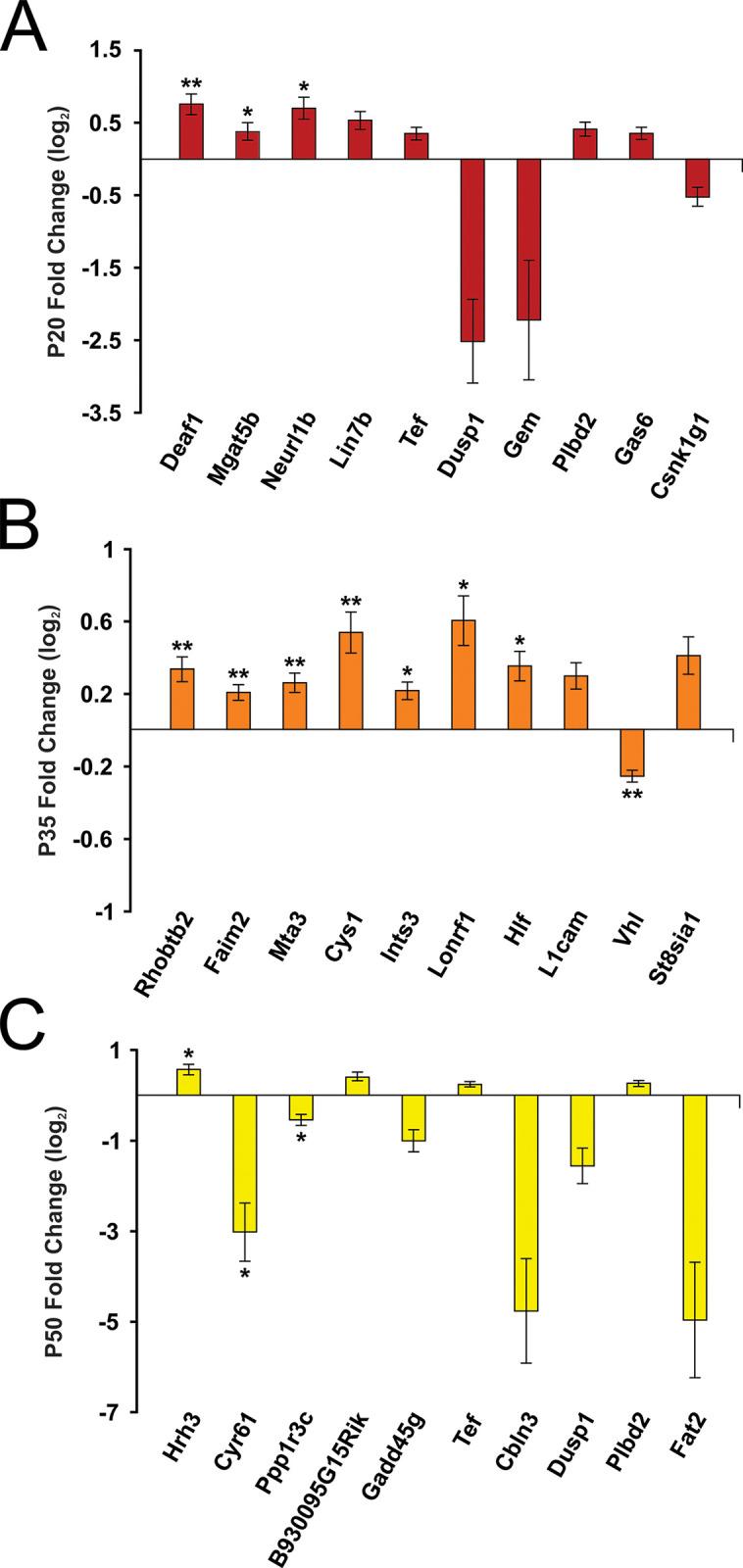
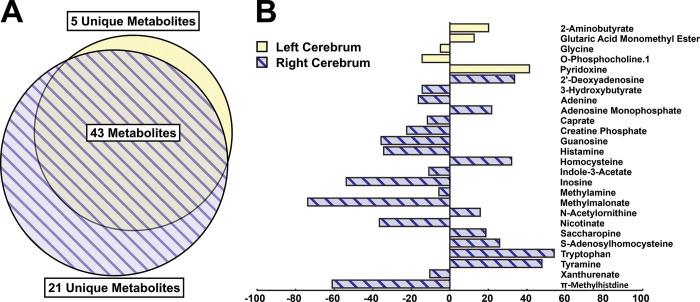
The developing nervous system displays remarkable plasticity in response to sensory stimulation during critical periods of development. Critical periods may also increase the brain's vulnerability to adverse experiences. Here we show that early-life stress (ELS) in mice shifts the timing of critical periods in the visual cortex. ELS induced by animal transportation on postnatal day 12 accelerated the opening and closing of the visual cortex critical period along with earlier maturation of visual acuity. Staining of a molecular correlate that marks the end of critical period plasticity revealed premature emergence of inhibitory perineuronal nets (PNNs) following ELS. ELS also drove lasting changes in visual cortex mRNA expression affecting genes linked to psychiatric disease risk, with hemispheric asymmetries favoring the right side. NMR spectroscopy and a metabolomics approach revealed that ELS was accompanied by activated energy metabolism and protein biosynthesis. Thus, ELS may accelerate visual system development, resulting in premature opening and closing of critical period plasticity. Overall, the data suggest that ELS desynchronizes the orchestrated temporal sequence of regional brain development potentially leading to long-term functional deficiencies. These observations provide new insights into a neurodevelopmental expense to adaptative brain plasticity. These findings also suggest that shipment of laboratory animals during vulnerable developmental ages may result in long lasting phenotypes, introducing critical confounds to the experimental design.
在发育的关键时期,发育中的神经系统对感觉刺激表现出显著的可塑性。关键时期也可能增加大脑对不良经历的易感性。在这里,我们表明,小鼠的早期生活应激(ELS)会改变视觉皮层关键时期的时间。出生后第12天通过动物运输诱导的ELS加速了视觉皮层关键期的开启和关闭,同时视力更早成熟。对标志关键期可塑性结束的分子相关物进行染色显示,ELS后抑制性神经元周围网络(PNN)过早出现。ELS还导致视觉皮层mRNA表达的持久变化,影响与精神疾病风险相关的基因,半球不对称性有利于右侧。核磁共振波谱和代谢组学方法表明,ELS伴随着能量代谢和蛋白质生物合成的激活。因此,ELS可能会加速视觉系统发育,导致关键期可塑性过早开启和关闭。总体而言,数据表明ELS使区域脑发育的精心编排的时间序列不同步,可能导致长期功能缺陷。这些观察结果为适应性脑可塑性的神经发育代价提供了新的见解。这些发现还表明,在脆弱的发育年龄运输实验动物可能会导致持久的表型,给实验设计带来关键的混淆因素。



 Zotero 插件