
以客体为中心和以自我为中心的空间表征共存于啮齿动物的内侧内嗅皮层。
Allocentric and egocentric spatial representations coexist in rodent medial entorhinal cortex.
作者信息
Long Xiaoyang, Bush Daniel, Deng Bin, Burgess Neil, Zhang Sheng-Jia
机构信息
Department of Neurosurgery, Xinqiao Hospital, Army Medical University, Chongqing, China.
UCL Department of Neuroscience, Physiology and Pharmacology, University College London, Gower Street, London, UK.
出版信息
Nat Commun. 2025 Jan 3;16(1):356. doi: 10.1038/s41467-024-54699-9.
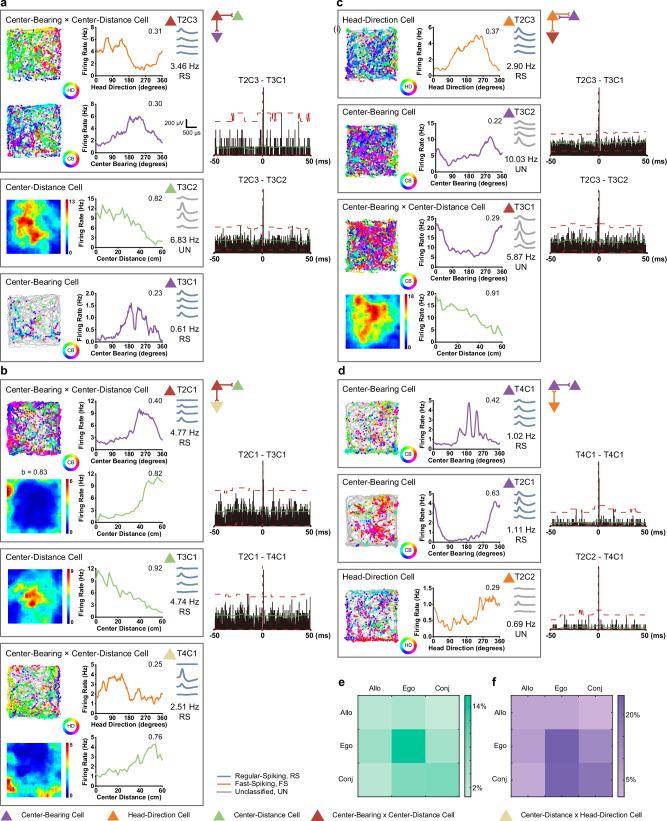
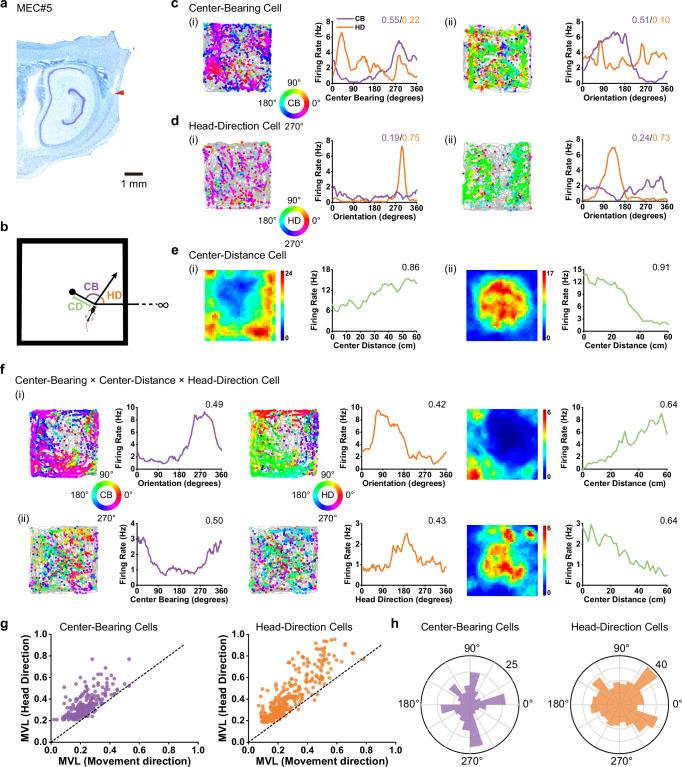
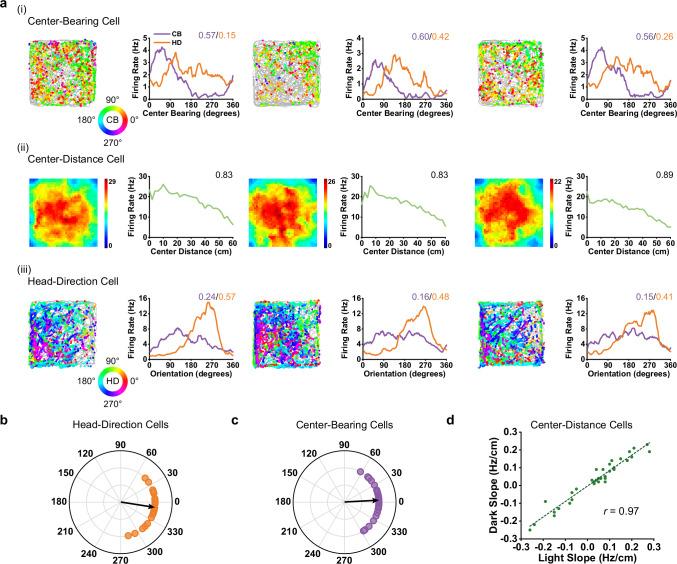
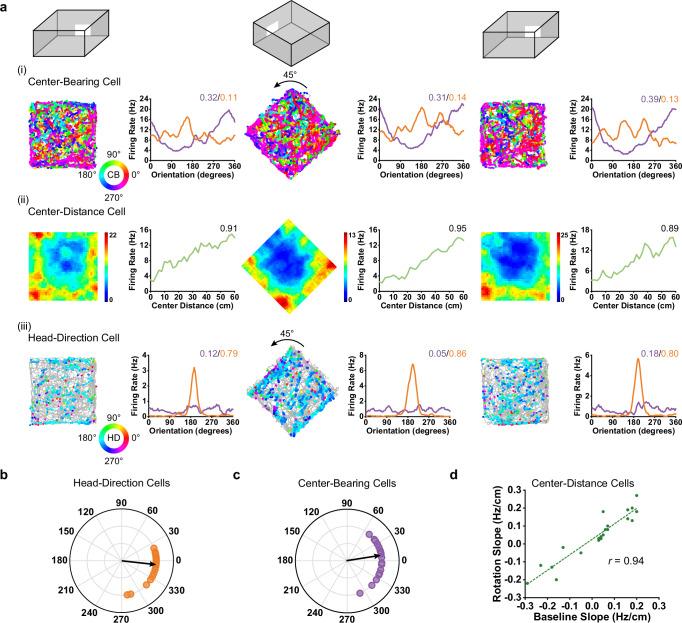
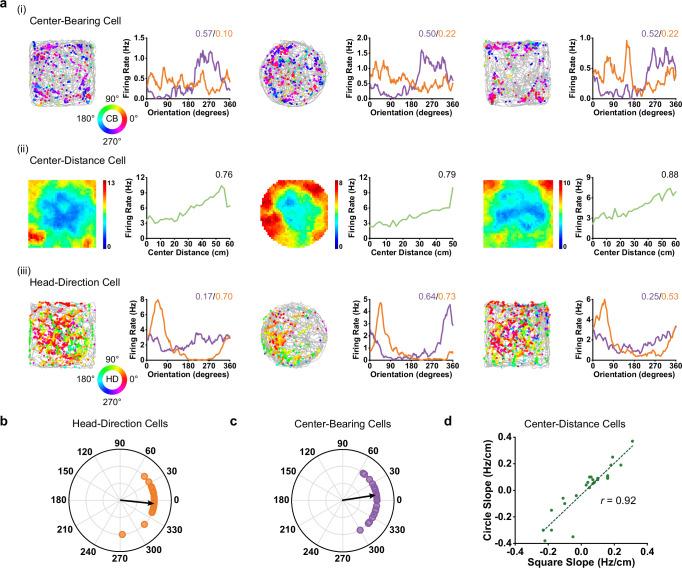
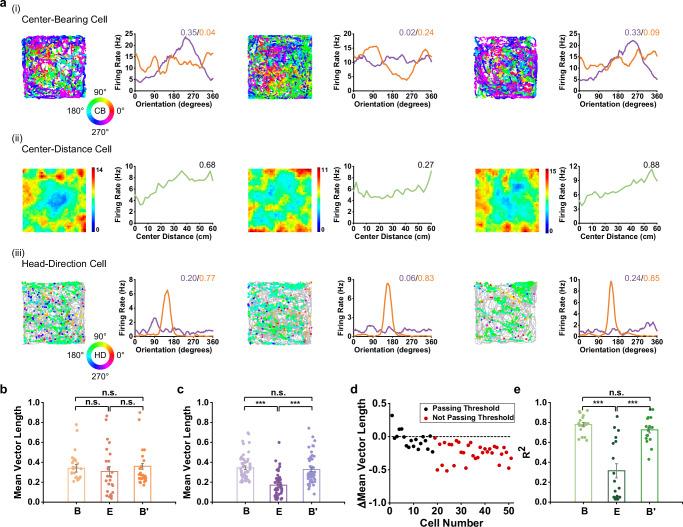
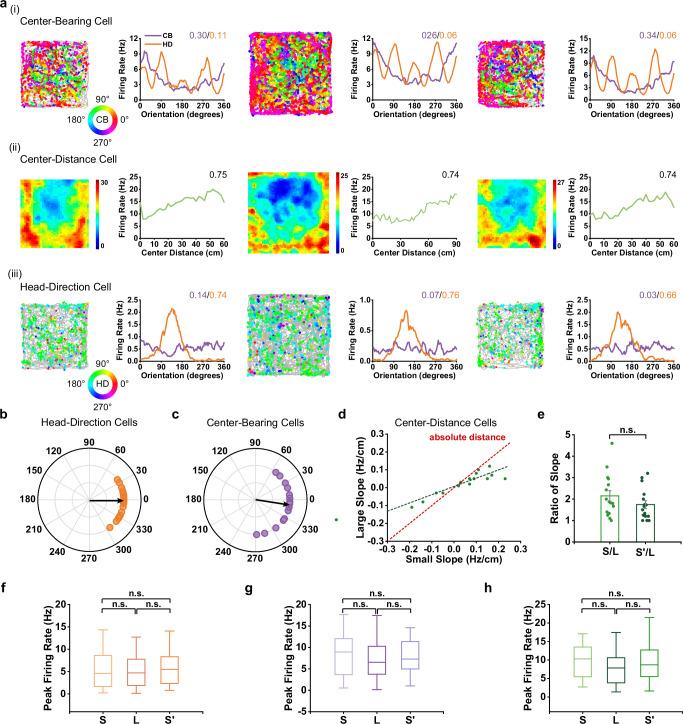
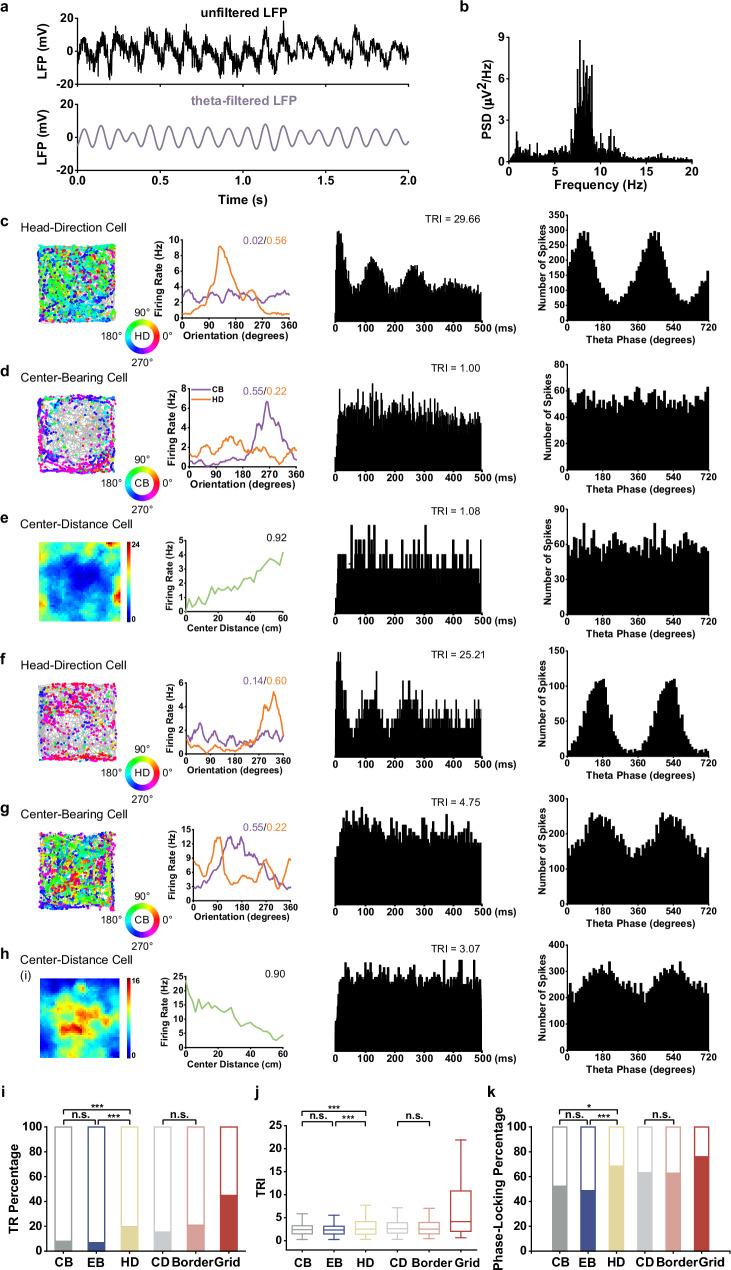
Successful navigation relies on reciprocal transformations between spatial representations in world-centered (allocentric) and self-centered (egocentric) frames of reference. The neural basis of allocentric spatial representations has been extensively investigated with grid, border, and head-direction cells in the medial entorhinal cortex (MEC) forming key components of a 'cognitive map'. Recently, egocentric spatial representations have also been identified in several brain regions, but evidence for the coexistence of neurons encoding spatial variables in each reference frame within MEC is so far lacking. Here, we report that allocentric and egocentric spatial representations are both present in rodent MEC, with neurons in deeper layers representing the egocentric bearing and distance towards the geometric center and / or boundaries of an environment. These results demonstrate a unity of spatial coding that can guide efficient navigation and suggest that MEC may be one locus of interactions between egocentric and allocentric spatial representations in the mammalian brain.
成功的导航依赖于以世界为中心(非自我中心)和以自我为中心(自我中心)的参照系中空间表征之间的相互转换。非自我中心空间表征的神经基础已通过内嗅皮质(MEC)中的网格细胞、边界细胞和头部方向细胞进行了广泛研究,这些细胞构成了“认知地图”的关键组成部分。最近,在几个脑区也发现了自我中心空间表征,但目前还缺乏证据表明MEC内每个参照系中编码空间变量的神经元共存。在此,我们报告非自我中心和自我中心空间表征都存在于啮齿动物的MEC中,较深层的神经元代表自我中心方位和到环境几何中心和/或边界的距离。这些结果证明了一种能够指导高效导航的空间编码统一性,并表明MEC可能是哺乳动物大脑中自我中心和非自我中心空间表征之间相互作用的一个位点。
 Zotero 插件