
癌症中靶向EZH2:机制、途径及治疗潜力
Targeting EZH2 in Cancer: Mechanisms, Pathways, and Therapeutic Potential.
作者信息
Gilardini Montani Maria Saveria, Benedetti Rossella, Cirone Mara
机构信息
Department of Experimental Medicine, Sapienza University of Rome, 00161 Rome, Italy.
出版信息
Molecules. 2024 Dec 10;29(24):5817. doi: 10.3390/molecules29245817.
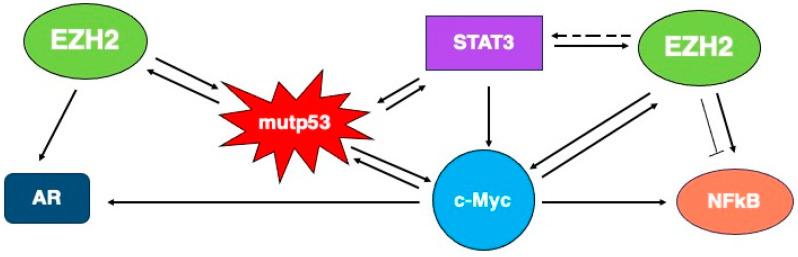
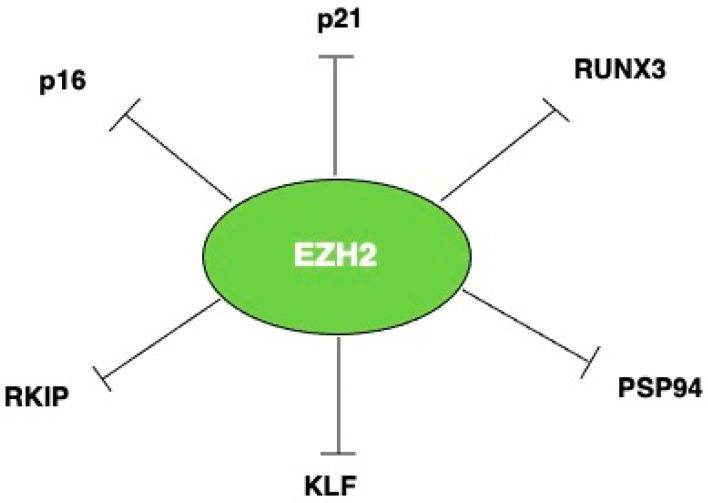
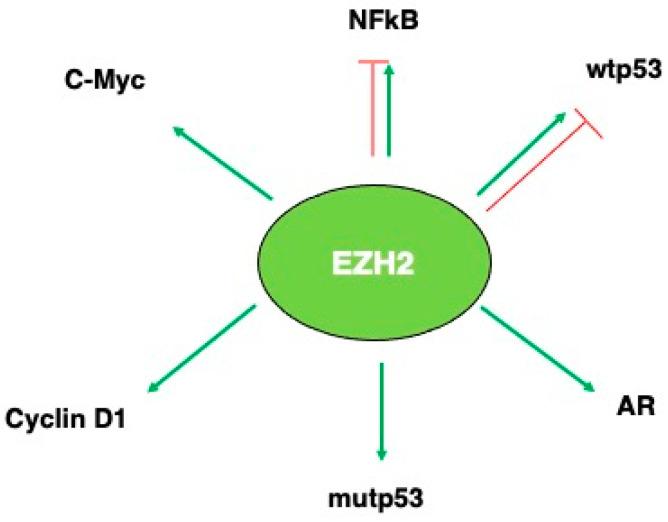
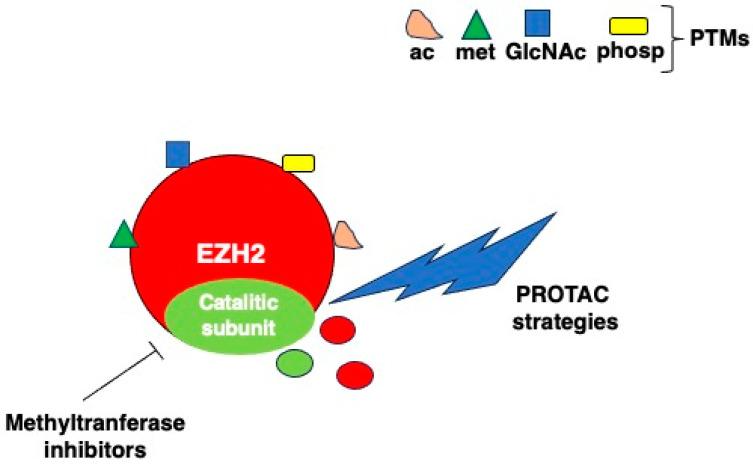
Enhancer of zeste homolog 2 (EZH2) is a methyltransferase involved in cell cycle regulation, cell differentiation, and cell death and plays a role in modulating the immune response. Although it mainly functions by catalyzing the tri-methylation of H3 histone on K27 (H3K27), to inhibit the transcription of target genes, EZH2 can directly methylate several transcription factors or form complexes with them, regulating their functions. EZH2 expression/activity is often dysregulated in cancer, contributing to carcinogenesis and immune escape, thereby representing an important target in anti-cancer therapy. This review summarizes some of the mechanisms through which EZH2 regulates the expression and function of tumor suppressor genes and oncogenic molecules such as STAT3, mutant p53, and c-Myc and how it modulates the anti-cancer immune response. The influence of posttranslational modifications on EZH2 activity and stability and the possible strategies leading to its inhibition are also reviewed.
zeste 同源物 2 增强子(EZH2)是一种参与细胞周期调控、细胞分化和细胞死亡的甲基转移酶,并在调节免疫反应中发挥作用。虽然它主要通过催化组蛋白 H3 的赖氨酸 27(H3K27)三甲基化来抑制靶基因的转录,但 EZH2 可以直接甲基化几种转录因子或与它们形成复合物,从而调节它们的功能。EZH2 的表达/活性在癌症中常常失调,促进肿瘤发生和免疫逃逸,因此成为抗癌治疗的一个重要靶点。本综述总结了 EZH2 调节肿瘤抑制基因和致癌分子(如 STAT3、突变型 p53 和 c-Myc)表达和功能的一些机制,以及它如何调节抗癌免疫反应。还综述了翻译后修饰对 EZH2 活性和稳定性的影响以及导致其抑制的可能策略。



 Zotero 插件