
消费后薄膜废料情景及电力来源对大规模包装过程危害性的影响分析
Analysis of the Impact of the Post-Consumer Film Waste Scenario and the Source of Electricity on the Harmfulness of the Mass Packaging Process.
作者信息
Walichnowska Patrycja, Kruszelnicka Weronika, Piasecka Izabela, Flizikowski Józef, Tomporowski Andrzej, Mazurkiewicz Adam, Valle José Miguel Martínez, Opielak Marek, Polishchuk Oleh
机构信息
Faculty of Mechanical Engineering, Bydgoszcz University of Science and Technology, al. Prof. S. Kaliskiego 7, 85-796 Bydgoszcz, Poland.
Department of Mechanics, Building Leonardo Da Vinci, Campus of Rabanales, University of Córdoba, Cta. Madrid-Cádiz, Km. 396, 14071 Córdoba, Spain.
出版信息
Polymers (Basel). 2024 Dec 12;16(24):3467. doi: 10.3390/polym16243467.
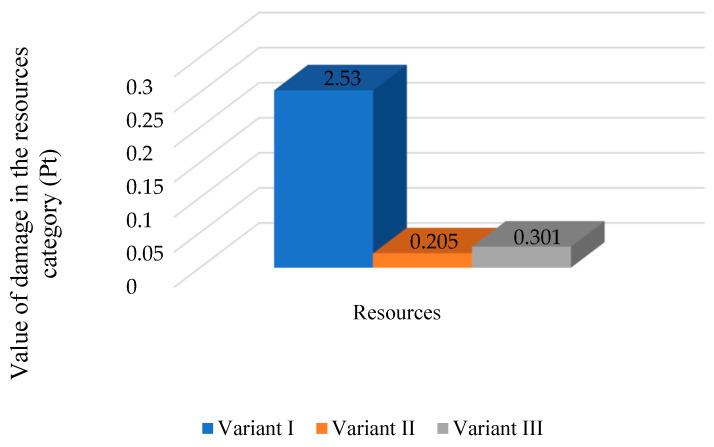
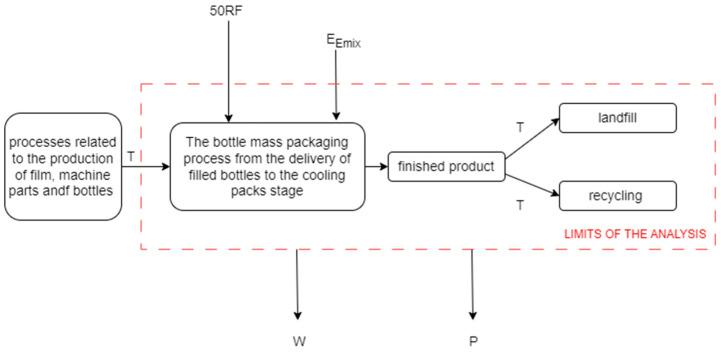
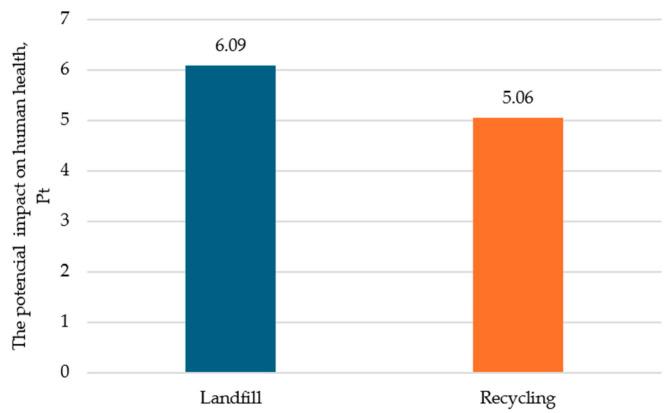
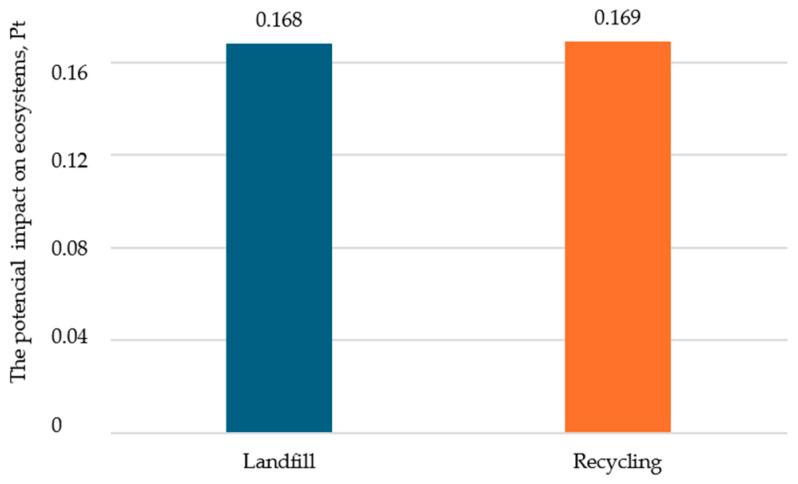
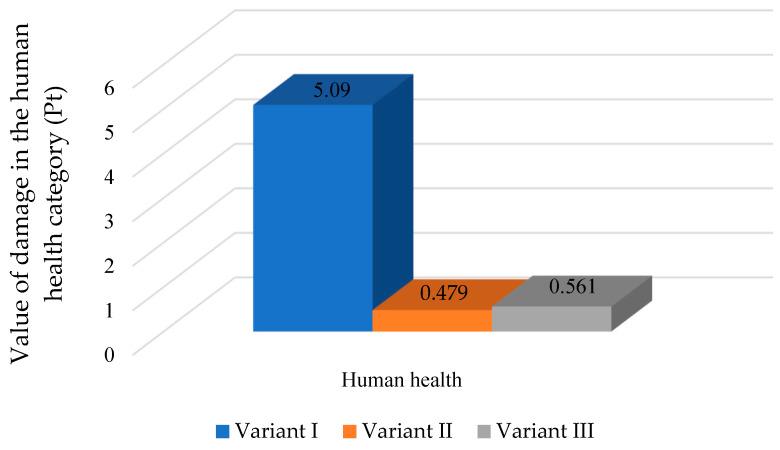
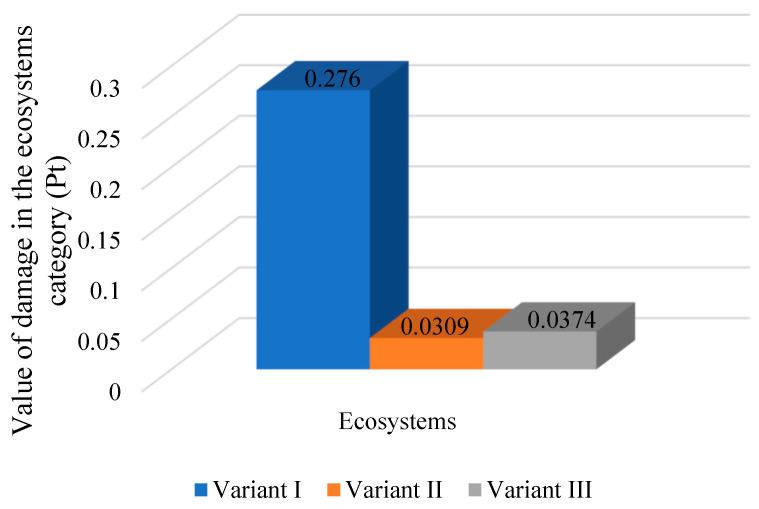
Life cycle analysis (LCA) is a popular tool for determining the environmental impacts of a product in use. The aim of this study is to carry out a life cycle analysis, gate-to-gate, of a mass packaging process using a polyethylene shrinking film with a focus on energy consumption, raw material use and associated emissions, and film post-consumer disposal scenarios. Two different scenarios for the disposal of the shrinking film used in the packaging process were analyzed, namely recycling and landfills. The analysis showed that choosing recycling as the post-consumer management of film waste within the studied system boundaries reduces the negative environmental impact by approximately 17%. The study showed significantly higher environmental benefits in terms of harmfulness to human health for recycling than for landfills. A study of the environmental impact of the mass packaging process depending on the energy source showed that using a renewable source minimizes environmental damage. Three sources of energy options were analyzed, including the country's energy mix, wind, and solar. The research shows that changing sources to wind power reduces potential damage to human health by 91%, to ecosystems by 89%, and to resources by 92% compared to the country's energy mix power option. When comparing the results for the renewable energy options, the variant with energy from wind presents lower harm in all three damage categories compared to the solar option.
生命周期分析(LCA)是一种用于确定产品在使用过程中对环境影响的常用工具。本研究的目的是对使用聚乙烯收缩膜的大规模包装过程进行从大门到大门的生命周期分析,重点关注能源消耗、原材料使用及相关排放,以及薄膜消费后处置方案。分析了包装过程中使用的收缩膜处置的两种不同方案,即回收利用和填埋。分析表明,在所研究的系统边界内选择回收作为薄膜废料的消费后管理方式,可将负面环境影响降低约17%。该研究表明,就对人类健康的危害而言,回收利用比填埋具有显著更高的环境效益。一项关于大规模包装过程的环境影响取决于能源来源的研究表明,使用可再生能源可将环境破坏降至最低。分析了三种能源选项,包括该国的能源组合、风能和太阳能。研究表明,与该国的能源组合电力选项相比,改用风能可将对人类健康的潜在损害降低91%,对生态系统的潜在损害降低89%,对资源的潜在损害降低92%。在比较可再生能源选项的结果时,与太阳能选项相比,风能选项在所有三个损害类别中造成的危害都更低。


 Zotero 插件