
[植物名称1]和[植物名称2]与银纳米颗粒提取物对癌细胞系和病原菌的生物活性效力。 (你原文中两个植物名称处是空白,我这里用[植物名称1]和[植物名称2]代替了,你可根据实际内容替换)
Bioactive potency of extracts from and with silver nanoparticles against cancer cell lines and pathogenic bacteria.
作者信息
Alqaraleh Moath, Khleifat Khaled M, Al-Samydai Ali, Al-Najjar Belal O, Saqallah Fadi G, Al Qaisi Yaseen T, Alsarayreh Ahmad Z, Alqudah Dana A, Fararjeh Abdulfattah S
机构信息
Department of Medical Laboratory Sciences, Faculty of Allied Medical Sciences, Al-Balqa Applied University, Al-Salt 19117, Jordan.
Department of Medical Laboratory Sciences, Faculty of Science, Mutah University, Al-Karak 61710, Jordan.
出版信息
Biomed Rep. 2024 Dec 19;22(2):34. doi: 10.3892/br.2024.1912. eCollection 2025 Feb.
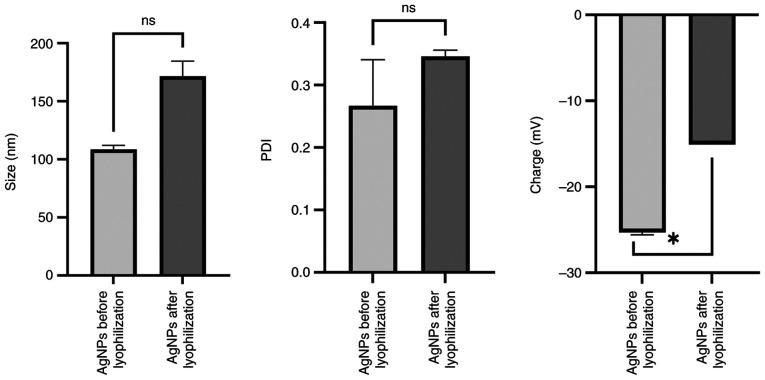
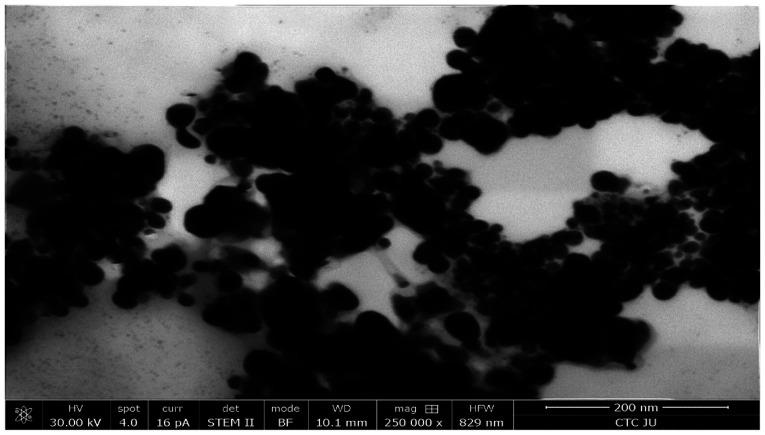
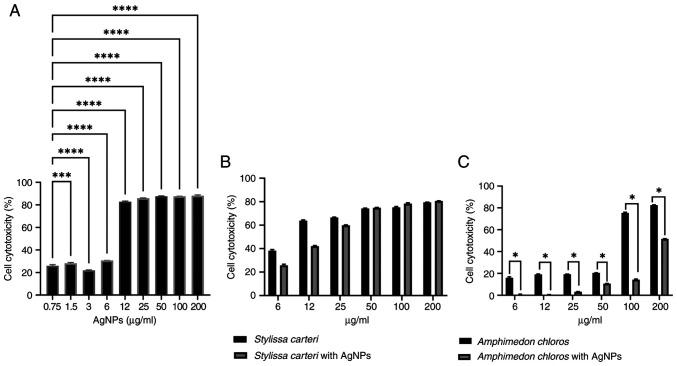
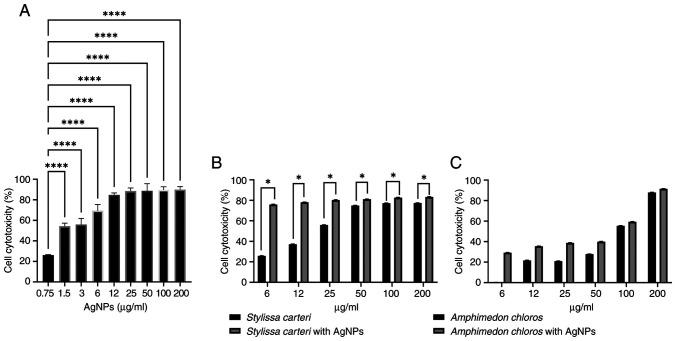
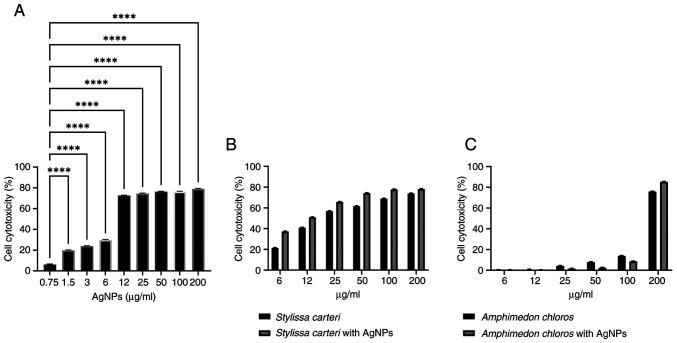
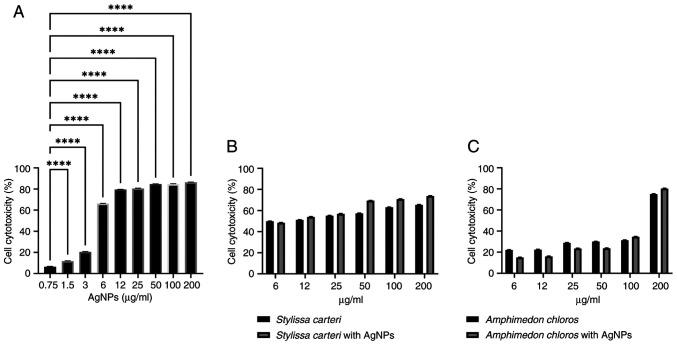
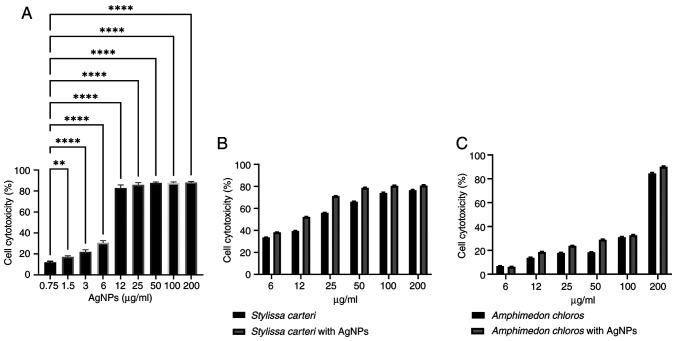
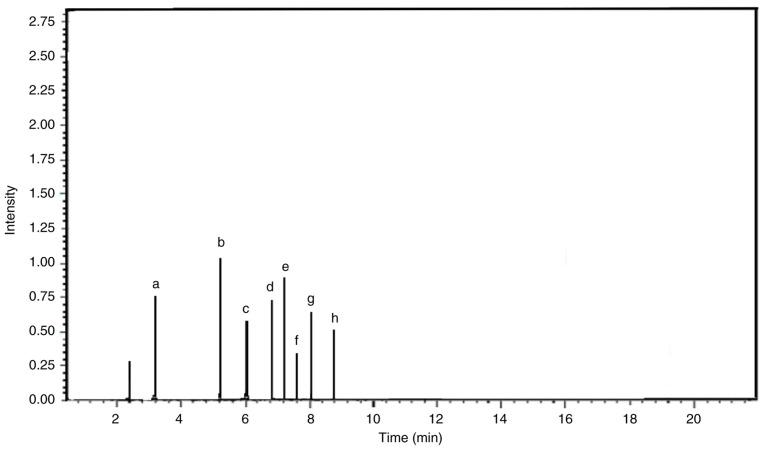
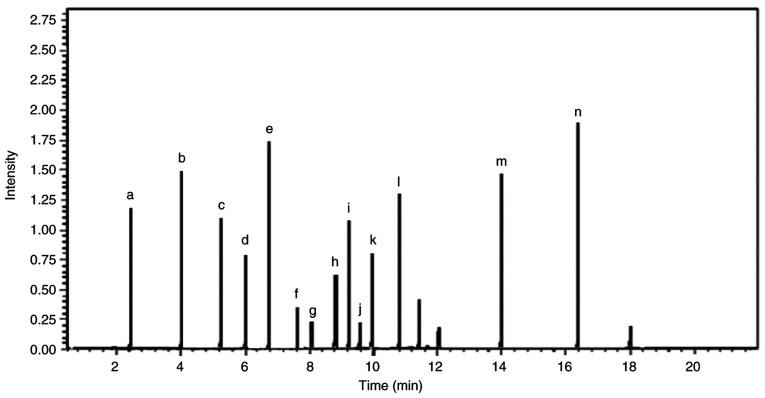
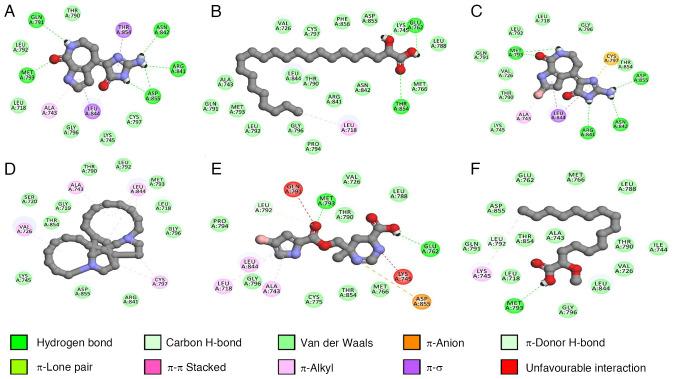
Silver nanoparticles (AgNPs) are spherical particles with a number of specific and unique physical (such as surface plasmon resonance, high electrical conductivity and thermal stability) as well as chemical (including antimicrobial activity, catalytic efficiency and the ability to form conjugates with biomolecules) properties. These properties allow AgNPs to exhibit desired interactions with the biological system and make them prospective candidates for use in antibacterial and anticancer activities. AgNPs have a quenching capacity, which produces reactive oxygen species and disrupts cellular processes (such as reducing the function of the mitochondria, damaging the cell membrane, inhibiting DNA replication and altering protein synthesis). In addition, sponge extracts contain biologically active substances with therapeutic effects. Therefore, the concurrent use of these agents may present a potential for the development of novel antitumor and antimicrobial drugs. The present study investigated the cytotoxic effects of AgNPs combined with the extracts from sponge species, or , against various cancer cell lines and pathogenic bacterial strains. The present study was novel as it provided a further understanding of the cytotoxicity and underlying mechanisms of AgNPs. Alterations in the properties, such as size, charge and polydispersity index, of the AgNPs were demonstrated after lyophilization. Scanning electron microscopy revealed submicron-sized particles. The cytotoxic potential of AgNPs across various cancer cell lines such as lung, colorectal, breast and pancreatic cancer cell lines, was demonstrated, especially when the AgNPs were combined with sponge extracts, which suggested a synergistic effect. Analysis using liquid chromatography-mass spectrometry revealed key chemical components in the extracts, and molecular docking simulations indicated potential inhibition interactions between a number of the extract components and the epidermal growth factor receptor and tyrosine kinase receptor A. Synergistic antibacterial effects against several bacterial species such as , , , spp. and , were observed when AgNPs were combined with sponge ethyl acetate extracts. The results of the present study suggested a potential therapeutic application of marine-derived compounds and nanotechnology in combating cancer and bacterial infections. Future research should further elucidate the mechanistic pathways and investigate the therapeutic efficacy.
银纳米颗粒(AgNPs)是球形颗粒,具有许多特定且独特的物理性质(如表面等离子体共振、高导电性和热稳定性)以及化学性质(包括抗菌活性、催化效率和与生物分子形成缀合物的能力)。这些性质使AgNPs能够与生物系统表现出期望的相互作用,并使其成为用于抗菌和抗癌活性的潜在候选物。AgNPs具有淬灭能力,可产生活性氧并破坏细胞过程(如降低线粒体功能、损害细胞膜、抑制DNA复制和改变蛋白质合成)。此外,海绵提取物含有具有治疗作用的生物活性物质。因此,同时使用这些药物可能为新型抗肿瘤和抗菌药物的开发带来潜力。本研究调查了AgNPs与海绵物种或的提取物联合使用对各种癌细胞系和致病细菌菌株的细胞毒性作用。本研究具有新颖性,因为它进一步加深了对AgNPs细胞毒性及其潜在机制的理解。冻干后,AgNPs的性质如尺寸、电荷和多分散指数发生了变化。扫描电子显微镜显示为亚微米级颗粒。AgNPs对各种癌细胞系如肺癌、结直肠癌、乳腺癌和胰腺癌细胞系的细胞毒性潜力得到了证明,特别是当AgNPs与海绵提取物联合使用时,这表明存在协同效应。液相色谱 - 质谱分析揭示了提取物中的关键化学成分,分子对接模拟表明许多提取物成分与表皮生长因子受体和酪氨酸激酶受体A之间存在潜在的抑制相互作用。当AgNPs与海绵乙酸乙酯提取物联合使用时,观察到对几种细菌物种如、、、属和的协同抗菌作用。本研究结果表明海洋来源的化合物和纳米技术在对抗癌症和细菌感染方面具有潜在的治疗应用。未来的研究应进一步阐明作用机制途径并研究治疗效果。


 Zotero 插件