
流感病毒感染分化的人扁桃体上皮细胞后细胞角蛋白和细胞因子/趋化因子表达的调节
Modulation of cytokeratin and cytokine/chemokine expression following influenza virus infection of differentiated human tonsillar epithelial cells.
作者信息
Perry S Scott, Brice David C, Sakr Ahmed Atef, Kandeil Ahmed, DeBeauchamp Jennifer, Ghonim Mohamed, Jones Jeremy, Miller Lance, Vegesana Kasi, Crawford Jeremy Chase, Langfitt Deanna M, Kercher Lisa, Abdelsamed Hossam A, Webster Robert G, Thomas Paul G, Webby Richard J, Okda Faten A
机构信息
Department of Bone Marrow Transplantation and Cellular Therapy, St. Jude Children's Research Hospital, Memphis, Tennessee, USA.
Department of Host-Microbe Interactions, St Jude Children's Research Hospital, Memphis, Tennessee, USA.
出版信息
J Virol. 2025 Feb 25;99(2):e0146024. doi: 10.1128/jvi.01460-24. Epub 2025 Jan 10.
UNLABELLED
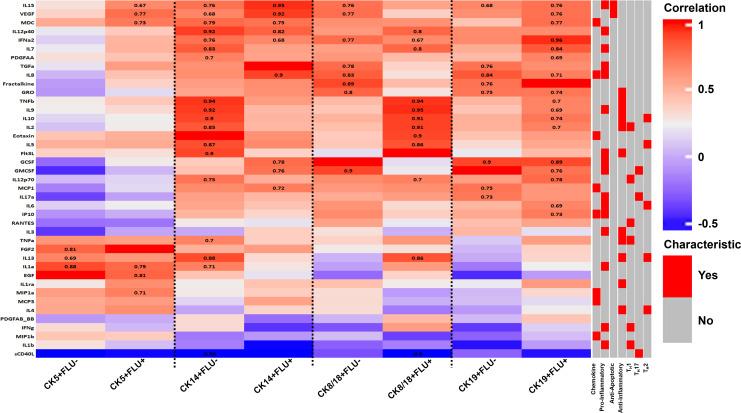
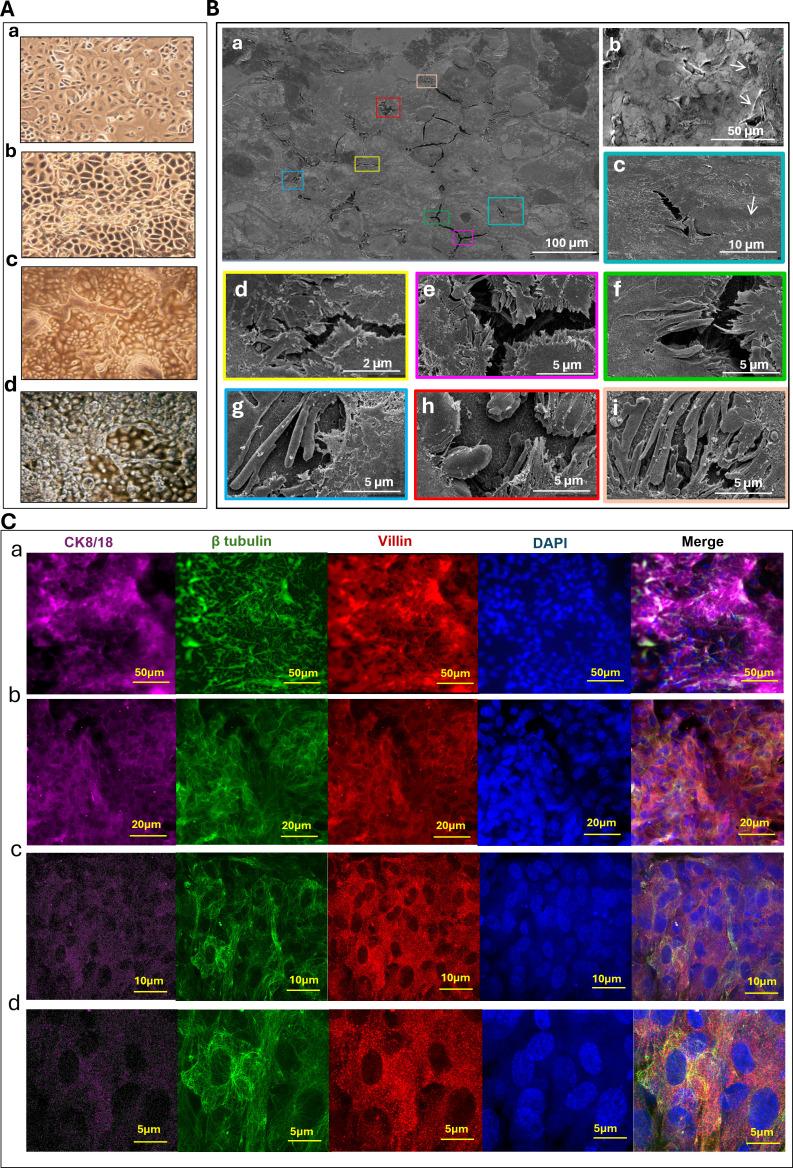
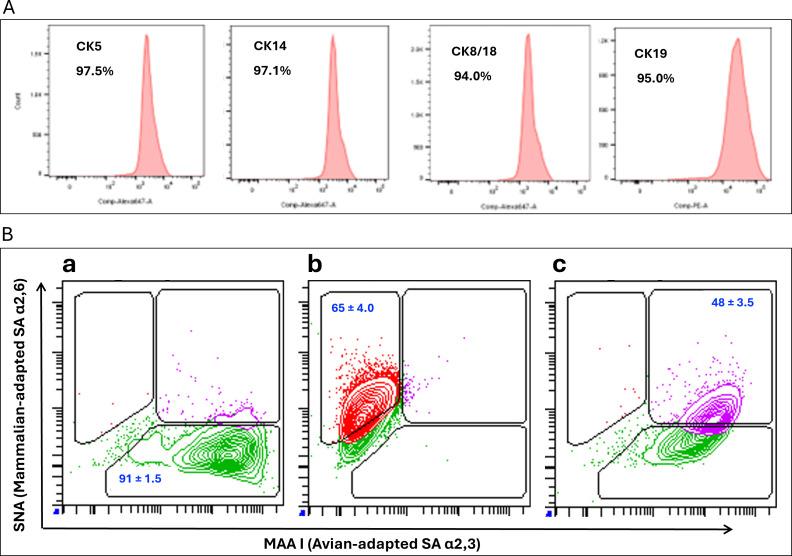
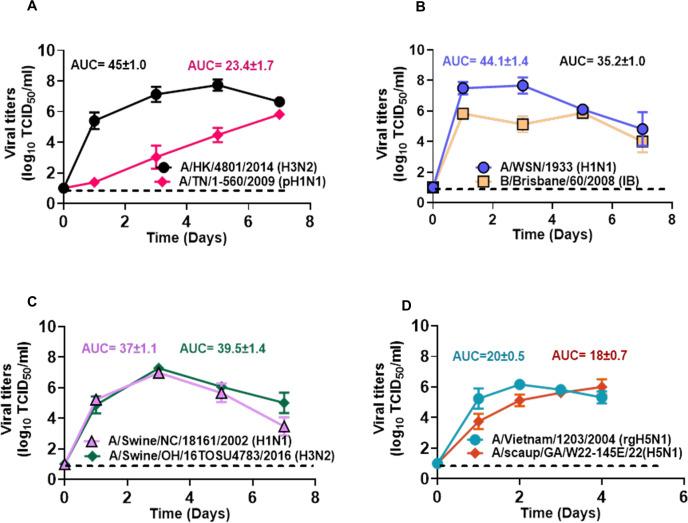
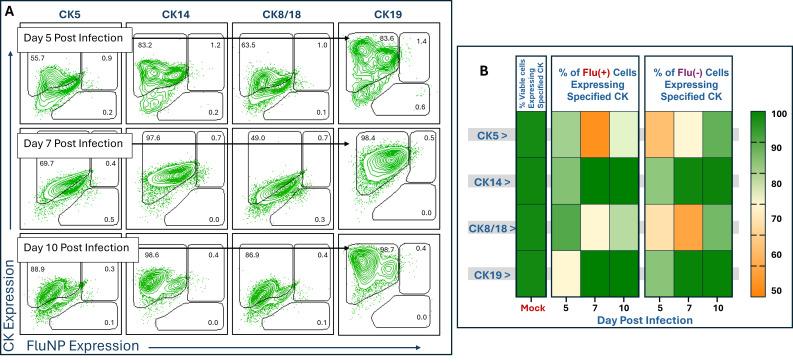
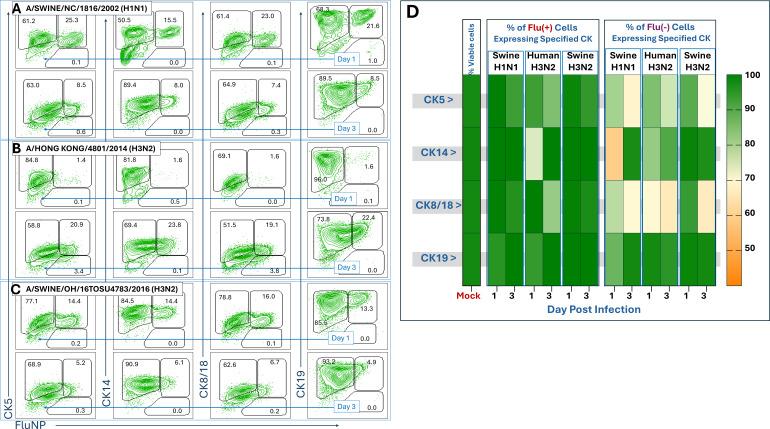
The tonsils have been identified as a site of replication for Epstein-Barr virus, adenovirus, human papillomavirus, and other respiratory viruses. Human tonsil epithelial cells (HTECs) are a heterogeneous group of actively differentiating cells. Here, we investigated the cellular features and susceptibility of differentiated HTECs to specific influenza viruses, including expression of avian-type and mammalian-type sialic acid (SA) receptors, viral replication dynamics, and the associated cytokine secretion profiles. We found that differentiated HTECs possess more abundant α2,3-linked SA (preferentially bound by avian influenza viruses) than α2,6-linked SA (preferentially bound by mammalian strains). This dual receptor expression suggests a role in influenza virus adaptation and tropism within the tonsils by facilitating the binding and entry of multiple influenza virus strains. Our results indicated the susceptibility of differentiated HTECs to a wide range of influenza viruses from human, swine, and avian hosts. Virus production for most strains was detected as early as 1 day post-infection (dpi), and typically peaked by 3 dpi. However, pandemic H1N1 virus showed remarkably delayed replication kinetics that did not peak until at least 7 dpi. Notably, influenza virus infection impacted the expression of cytokeratins in HTEC cultures, which correlated with altered cytokine secretion patterns. These patterns varied within the strains but were most distinct in swine H3N2 infection. In conclusion, differentiated HTECs exhibited a strain-specific pattern of influenza virus replication and innate immune responses that included changes in cytokeratin and cytokine expression. These studies shed light on the complex interplay between influenza viruses and host cells in the tonsils.
IMPORTANCE
To develop effective interventions against influenza, it is important to identify host factors affecting pathogenesis and immune responses. Tonsils are lymphoepithelial organs characterized by infiltration of B and T lymphocytes into the squamous epithelium of tonsillar crypts, beneath which germinal centers play key roles in antigen processing and the immune response. Influenza virus tropism in the human upper respiratory tract is a key determinant of host-range, pathogenesis, and transmission. Accordingly, experimental models using primary cells from the human respiratory tract are relevant for assessing virus tropism and replication competence. Our study addresses the dynamics of influenza virus replication in HTECs, including cellular tropism, infectivity, and cytokeratin and cytokine expression. The results of this study highlight the complex interplay between structural proteins and immune signaling pathways, all of which provide valuable insights into host-virus interactions.
未标记
扁桃体已被确定为爱泼斯坦-巴尔病毒、腺病毒、人乳头瘤病毒和其他呼吸道病毒的复制场所。人扁桃体上皮细胞(HTECs)是一组正在积极分化的异质性细胞。在此,我们研究了分化的HTECs的细胞特征以及对特定流感病毒的易感性,包括禽源型和哺乳类型唾液酸(SA)受体的表达、病毒复制动态以及相关的细胞因子分泌谱。我们发现,分化的HTECs具有比α2,6连接的SA(优先被哺乳动物毒株结合)更丰富的α2,3连接的SA(优先被禽流感病毒结合)。这种双受体表达表明,通过促进多种流感病毒毒株的结合和进入,其在扁桃体中的流感病毒适应和嗜性方面发挥作用。我们的结果表明,分化的HTECs对来自人、猪和禽宿主的多种流感病毒易感。大多数毒株在感染后1天(dpi)就可检测到病毒产生,通常在3 dpi时达到峰值。然而,大流行H1N1病毒显示出明显延迟的复制动力学,直到至少7 dpi才达到峰值。值得注意的是,流感病毒感染影响了HTEC培养物中细胞角蛋白的表达,这与细胞因子分泌模式的改变相关。这些模式在不同毒株中有所不同,但在猪H3N2感染中最为明显。总之,分化的HTECs表现出流感病毒复制和固有免疫反应的毒株特异性模式,包括细胞角蛋白和细胞因子表达的变化。这些研究揭示了扁桃体中流感病毒与宿主细胞之间复杂的相互作用。
重要性
为了开发针对流感的有效干预措施,识别影响发病机制和免疫反应的宿主因素很重要。扁桃体是淋巴上皮器官,其特征是B和T淋巴细胞浸润到扁桃体隐窝的鳞状上皮中,其下方的生发中心在抗原加工和免疫反应中起关键作用。流感病毒在人类上呼吸道的嗜性是宿主范围、发病机制和传播的关键决定因素。因此,使用来自人类呼吸道的原代细胞的实验模型对于评估病毒嗜性和复制能力具有相关性。我们的研究探讨了流感病毒在HTECs中的复制动态,包括细胞嗜性、感染性以及细胞角蛋白和细胞因子表达。这项研究的结果突出了结构蛋白和免疫信号通路之间复杂的相互作用,所有这些都为宿主-病毒相互作用提供了有价值的见解。

 Zotero 插件