
使用水溶性荧光探针快速检测碳酸锂中的铝和铁杂质
Rapid Detection of Aluminium and Iron Impurities in Lithium Carbonate Using Water-Soluble Fluorescent Probes.
作者信息
Wu Hong-Mei, Cheng Huai-Gang, Zhu Zi-Wen, Cui Li
机构信息
Salt Lake Chemical Engineering Research Complex, Qinghai University, Xining 810016, China.
Institute of Resources and Environmental Engineering, Shanxi University, Taiyuan 030032, China.
出版信息
Molecules. 2024 Dec 31;30(1):135. doi: 10.3390/molecules30010135.
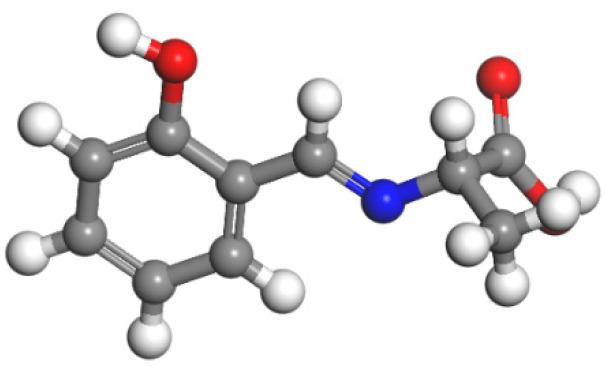
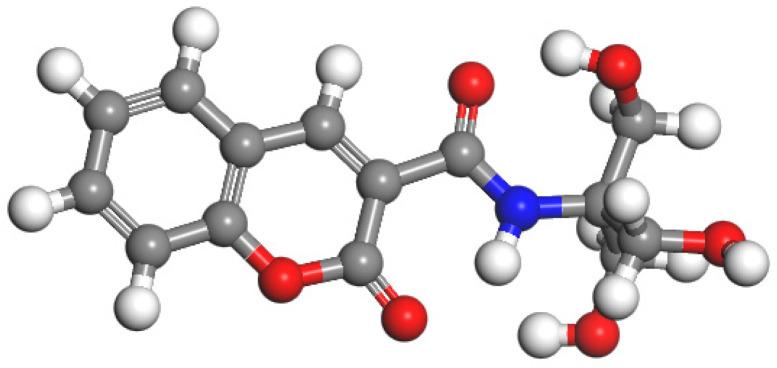
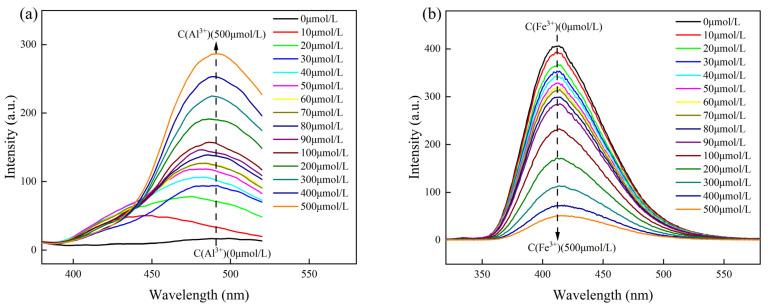
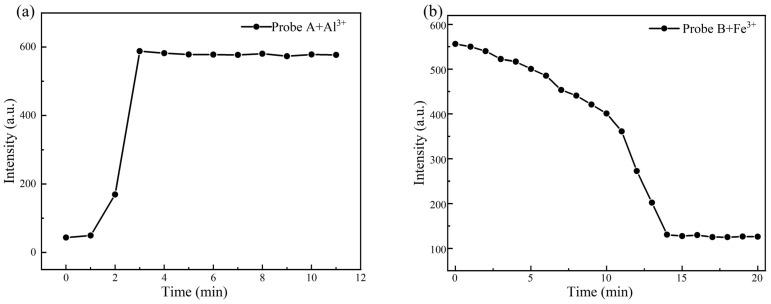
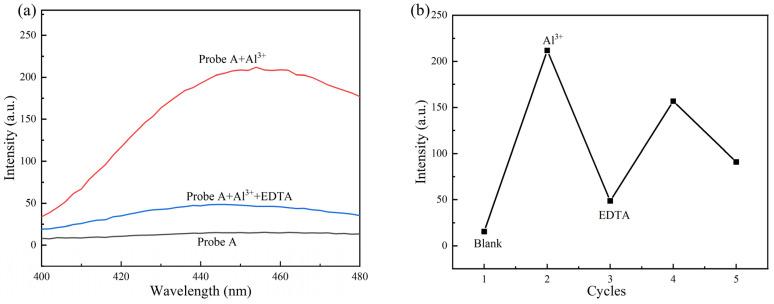
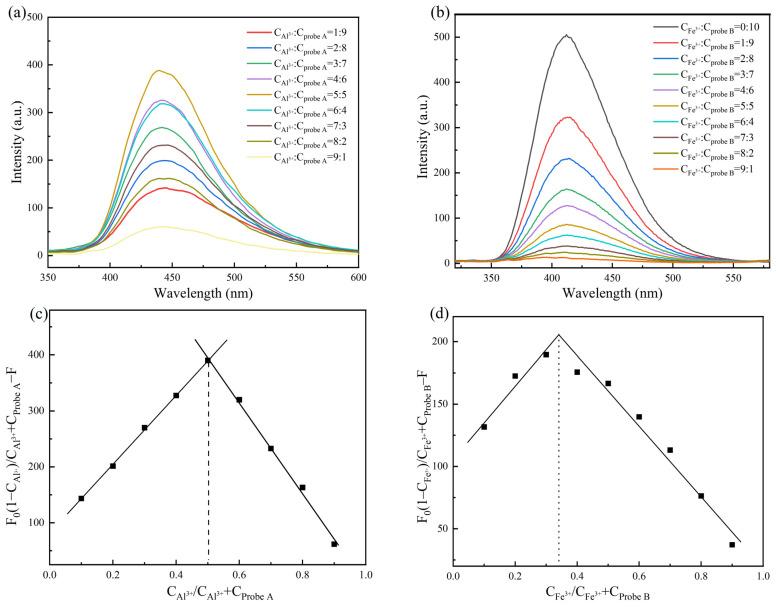
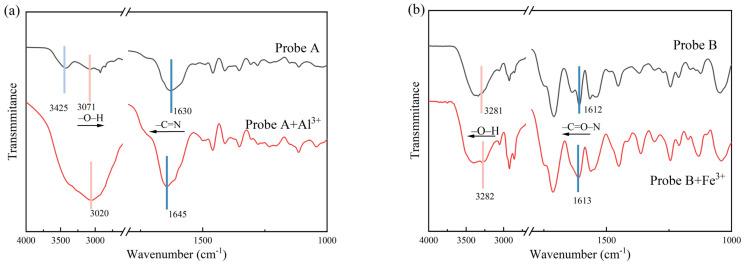
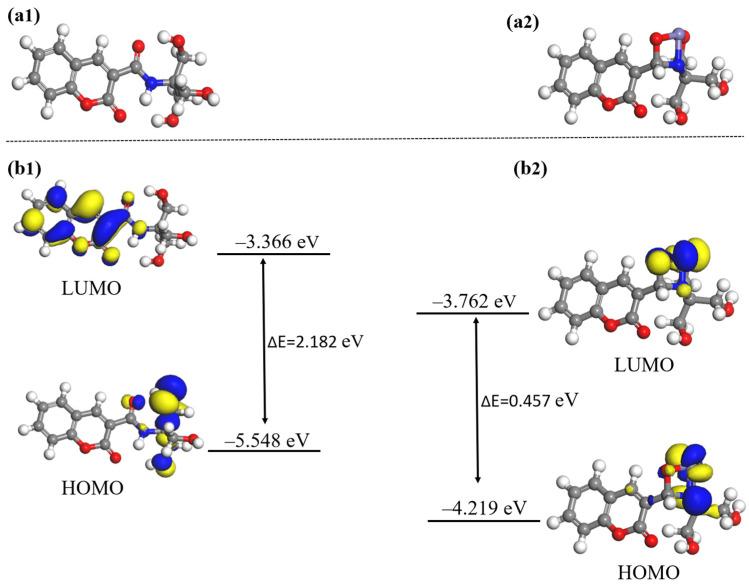
The real-time measurement of the content of impurities such as iron and aluminium ions is one of the keys to quality evaluation in the production process of high-purity lithium carbonate; however, impurity detection has been a time-consuming process for many years, which limits the optimisation of the production of high-purity lithium carbonate. In this context, this work explores the possibility of using water-soluble fluorescent probes for the rapid detection of impurity ions. Salicylaldehyde was modified with the hydrophilic group dl-alanine to synthesise a water-soluble Al fluorescent probe (Probe A). Moreover, a water-soluble Fe fluorescent probe (Probe B) was synthesised from coumarin-3-carboxylic acid and 3-hydroxyaminomethane. Probe A and Probe B exhibited good stability in the pH range of 4-9 in aqueous solutions, high sensitivity, as well as high selectivity for Al and Fe; the detection limits for Al and Fe were 1.180 and 1.683 μmol/L, whereas the response times for Al and Fe were as low as 10 and 30 s, respectively. Electrostatic potential (ESP) analysis and density functional theory calculations identified the binding sites and fluorescence recognition mechanism; theoretical calculations showed that the enhanced fluorescence emission of Probe A when detecting Al was due to the excited intramolecular proton transfer (ESIPT) effect, whereas the fluorescence quenching of Probe B when detecting Fe was due to the electrons turning off fluorescence when binding through the photoelectron transfer (PET) mechanism.
实时测量铁和铝离子等杂质的含量是高纯碳酸锂生产过程中质量评估的关键之一;然而,多年来杂质检测一直是一个耗时的过程,这限制了高纯碳酸锂生产的优化。在此背景下,本工作探索了使用水溶性荧光探针快速检测杂质离子的可能性。用亲水性基团dl-丙氨酸修饰水杨醛,合成了一种水溶性铝荧光探针(探针A)。此外,由香豆素-3-羧酸和3-羟基氨基甲烷合成了一种水溶性铁荧光探针(探针B)。探针A和探针B在水溶液中pH值为4-9的范围内表现出良好的稳定性、高灵敏度以及对铝和铁的高选择性;铝和铁的检测限分别为1.180和1.683 μmol/L,而铝和铁的响应时间分别低至10和30秒。静电势(ESP)分析和密度泛函理论计算确定了结合位点和荧光识别机制;理论计算表明,探针A检测铝时荧光发射增强是由于激发态分子内质子转移(ESIPT)效应,而探针B检测铁时荧光猝灭是由于电子通过光电子转移(PET)机制结合时关闭荧光。






 Zotero 插件