
研究呼吸道感染的方法与模型
Methods and Models for Studying in Respiratory Infections.
作者信息
Franco Caterina, Rezzani Rita
机构信息
Anatomy and Physiopathology Division, Department of Clinical and Experimental Sciences, University of Brescia, 25123 Brescia, Italy.
Division of Immunology, Transplantation, and Infectious Diseases, IRCCS San Raffaele Scientific Institute, 20132 Milan, Italy.
出版信息
Int J Mol Sci. 2024 Dec 24;26(1):18. doi: 10.3390/ijms26010018.
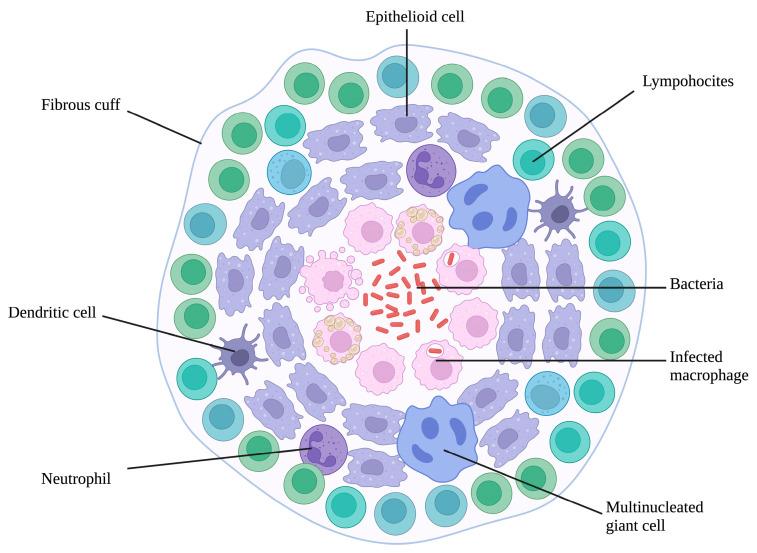
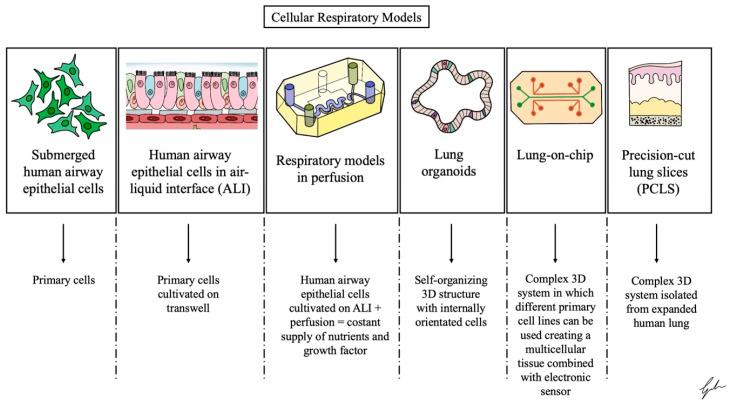
Respiratory infections, including tuberculosis, constitute a major global health challenge. Tuberculosis (TB), caused by (Mtb), remains one of the leading causes of mortality worldwide. The disease's complexity is attributed to Mtb's capacity to persist in latent states, evade host immune defenses, and develop resistance to antimicrobial treatments, posing significant challenges for diagnosis and therapy. Traditional models, such as animal studies and two-dimensional (2D) in vitro systems, often fail to accurately recapitulate human-specific immune processes, particularly the formation of granulomas-a defining feature of tubercular infection. These limitations underscore the need for more physiologically relevant models to study TB pathogenesis. Emerging three-dimensional (3D) in vitro systems, including organoids and lung-on-chip platforms, offer innovative approaches to mimic the structural and functional complexity of the human lung. These models enable the recreation of key aspects of the tubercular granulomas, such as cellular interactions, oxygen gradients, and nutrient limitations, thereby providing deeper insights into Mtb pathogenesis. This review aims to elucidate the advantages of 3D in vitro systems in bridging the translational gap between traditional experimental approaches and clinical applications. Particular emphasis is placed on their potential to address challenges related to genetic variability in both the host and pathogen, thereby advancing tubercular research and therapeutic development.
包括结核病在内的呼吸道感染是全球主要的健康挑战。由结核分枝杆菌(Mtb)引起的结核病仍然是全球主要的死亡原因之一。该疾病的复杂性归因于Mtb能够处于潜伏状态、逃避宿主免疫防御并对抗菌治疗产生耐药性,这给诊断和治疗带来了重大挑战。传统模型,如动物研究和二维(2D)体外系统,往往无法准确再现人类特有的免疫过程,特别是肉芽肿的形成——结核感染的一个决定性特征。这些局限性凸显了需要更具生理相关性的模型来研究结核病发病机制。新兴的三维(3D)体外系统,包括类器官和芯片肺平台,提供了模拟人类肺部结构和功能复杂性的创新方法。这些模型能够重现结核肉芽肿的关键方面,如细胞相互作用、氧梯度和营养限制,从而为Mtb发病机制提供更深入的见解。本综述旨在阐明3D体外系统在弥合传统实验方法与临床应用之间的转化差距方面的优势。特别强调它们应对宿主和病原体基因变异性相关挑战的潜力,从而推动结核病研究和治疗发展。

 Zotero 插件