
冷藏期间通过浸泡在松子提取物中来延长虹鳟鱼的货架期和肉质
Prolonging Shelf Life and Meat Quality of Rainbow Trout () by Immersing in Pine Nut () Extract During Cold Storage.
作者信息
Soleimani Shaghayegh, Haghighat Khajavi Shabnam, Safari Reza
机构信息
Department of Food Science and Technology, Science and Research Branch Islamic Azad University Tehran Iran.
Caspian Sea Ecology Research Center Iranian Fisheries Science Research Institute, Agricultural Research, Education and Extension Organization Mazandaran Iran.
出版信息
Food Sci Nutr. 2024 Dec 19;13(1):e4685. doi: 10.1002/fsn3.4685. eCollection 2025 Jan.
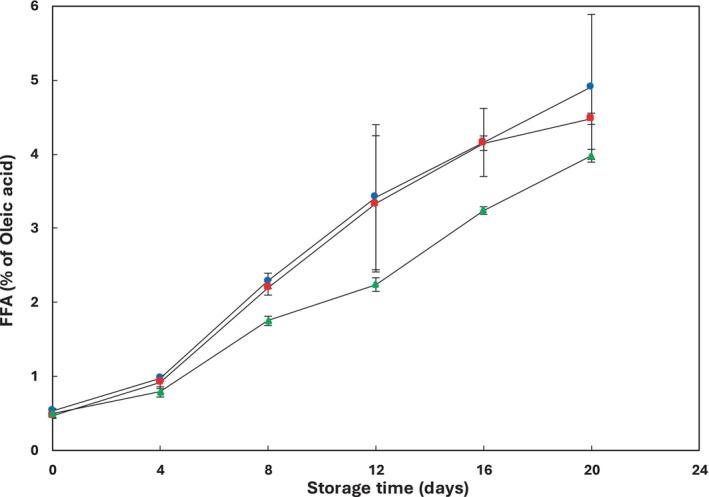
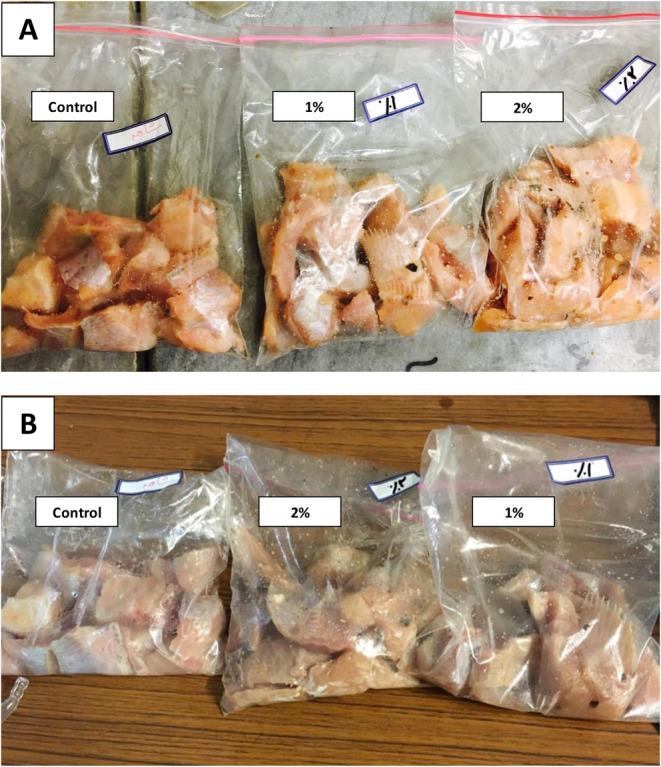
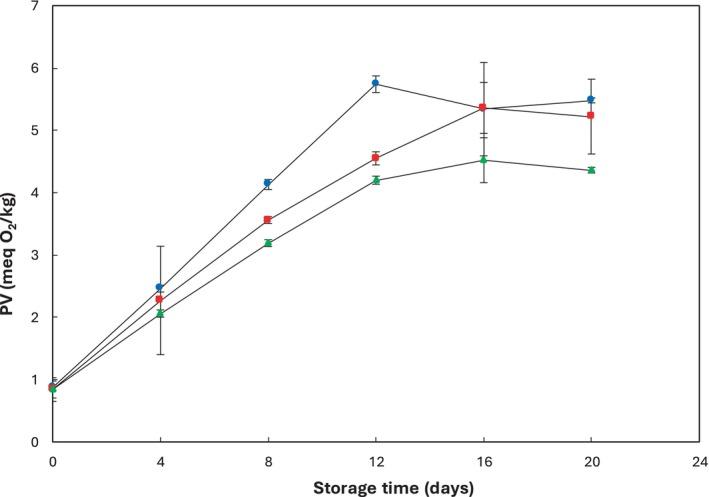
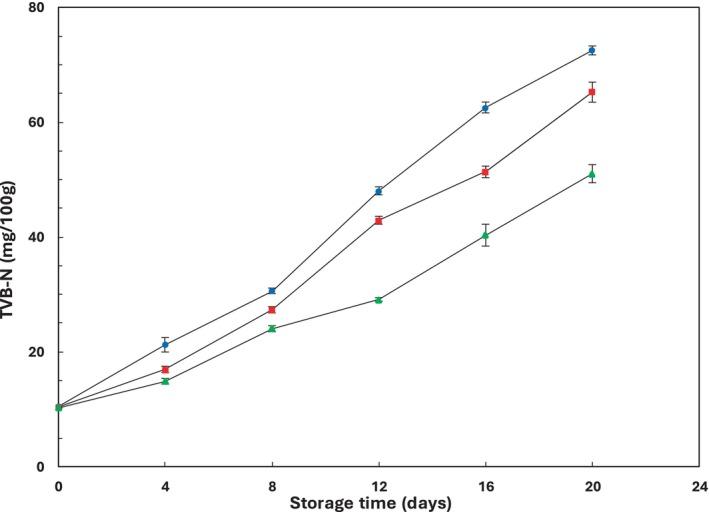
Rainbow trout () is a freshwater fish susceptible to chemical and microbial spoilage, limiting its shelf life. This study aimed to enhance and extend the rainbow trout fillets' shelf life stored at 4°C ± 1°C through an immersion treatment using ultrasound-assisted, defatted pine nut ( Wallich) extracts at concentrations of 1% and 2% (w/v), compared to the control group (0% pine nut). Evaluations were conducted at storage intervals of 0, 4, 8, 12, 16, and 20 days. The methodology assessed antioxidant activity through 2,2-diphenyl 1-picrylhydrazyl radical scavenging, which showed a linear increase with pine nut extract concentration, reaching 59.24% at 2%. Chemical indicators, such as peroxide values, thiobarbituric acid values, free fatty acids, and total volatile basic nitrogen, decreased significantly ( ≤ 0.05) with higher concentrations of pine nut extract, with the lowest values recorded at 2% across all storage days. Microbial analysis showed a significant reduction ( ≤ 0.05) in the total viable count, psychrotrophic bacteria count, lactic acid bacteria, Enterobacteriaceae, and H₂S-producing bacteria with increasing pine nut concentrations, with the 2% treatment yielding the lowest microbial loads throughout storage. Sensory evaluation indicated that higher pine nut concentrations improved the acceptability of color, odor, and taste ( ≤ 0.05). However, significant degradation ( ≤ 0.05) in chemical, microbial, and sensory parameters occurred with prolonged storage duration. In conclusion, the 2% pine nut extract was the most effective immersion treatment for extending the shelf life of rainbow trout fillets for up to 12 days.
虹鳟鱼()是一种易受化学和微生物腐败影响的淡水鱼,这限制了其货架期。本研究旨在通过使用浓度为1%和2%(w/v)的超声辅助脱脂松子(Wallich)提取物进行浸泡处理,与对照组(0%松子)相比,提高并延长在4°C±1°C下储存的虹鳟鱼片的货架期。在0、4、8、12、16和20天的储存间隔进行评估。该方法通过2,2-二苯基-1-苦基肼自由基清除法评估抗氧化活性,结果表明其随松子提取物浓度呈线性增加,在2%时达到59.24%。化学指标,如过氧化值、硫代巴比妥酸值、游离脂肪酸和总挥发性盐基氮,随着松子提取物浓度的升高而显著降低(≤0.05),在所有储存天数中,2%浓度下记录的值最低。微生物分析表明,随着松子浓度的增加,总活菌数、嗜冷菌数、乳酸菌、肠杆菌科和产H₂S细菌显著减少(≤0.05),2%处理在整个储存过程中产生的微生物负荷最低。感官评价表明,较高的松子浓度提高了颜色、气味和味道的可接受性(≤0.05)。然而,随着储存时间的延长,化学、微生物和感官参数出现了显著降解(≤0.05)。总之,2%的松子提取物是延长虹鳟鱼片货架期至12天最有效的浸泡处理方法。


 Zotero 插件