
基于机器学习利用阻抗心动图数据进行血压估计
Machine learning-based blood pressure estimation using impedance cardiography data.
作者信息
Bothe T L, Patzak A, Opatz O S, Heinz V, Pilz N
机构信息
Institute of Physiology, Center for Space Medicine and Extreme Environments Berlin, Charité-Universitätsmedizin Berlin, Berlin, Germany.
Institute of Translational Physiology, Charité-Universitätsmedizin Berlin, Berlin, Germany.
出版信息
Acta Physiol (Oxf). 2025 Feb;241(2):e14269. doi: 10.1111/apha.14269.
OBJECTIVE
Accurate blood pressure (BP) measurement is crucial for the diagnosis, risk assessment, treatment decision-making, and monitoring of cardiovascular diseases. Unfortunately, cuff-based BP measurements suffer from inaccuracies and discomfort. This study is the first to access the feasibility of machine learning-based BP estimation using impedance cardiography (ICG) data.
METHODS
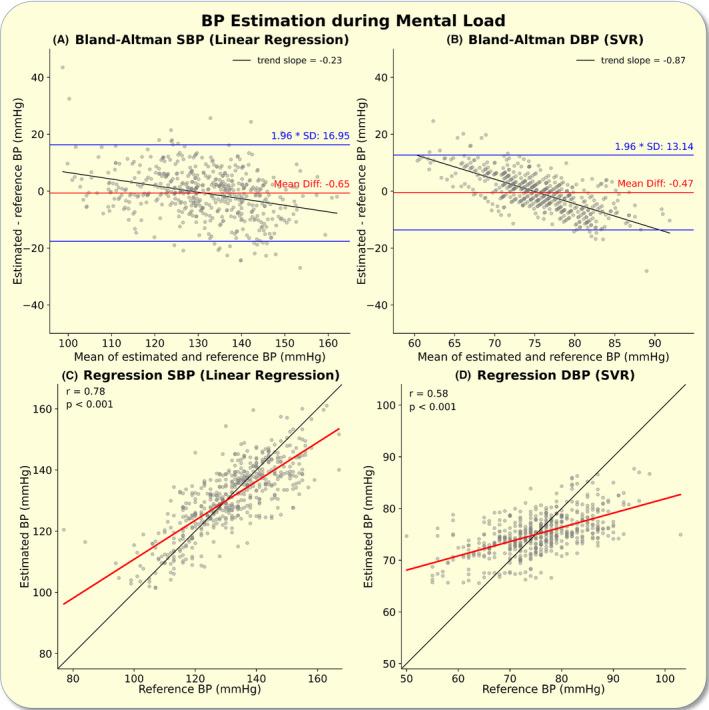
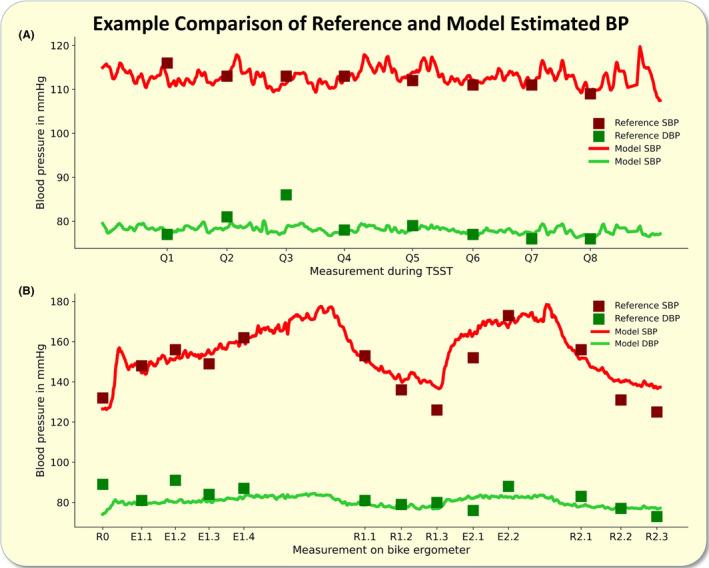
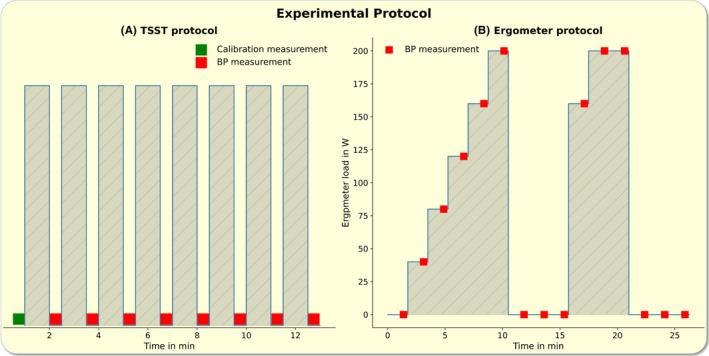
We analyzed ICG data from 71 young and healthy adults. Nine different machine learning algorithms were evaluated for their BP estimation performance against quality controlled, oscillometric (cuff-based), arterial BP measurements during mental (Trier social stress test), and physical exercise (bike ergometer). Models were optimized to minimize the root mean squared error and their performance was evaluated against accuracy and regression metrics.
RESULTS
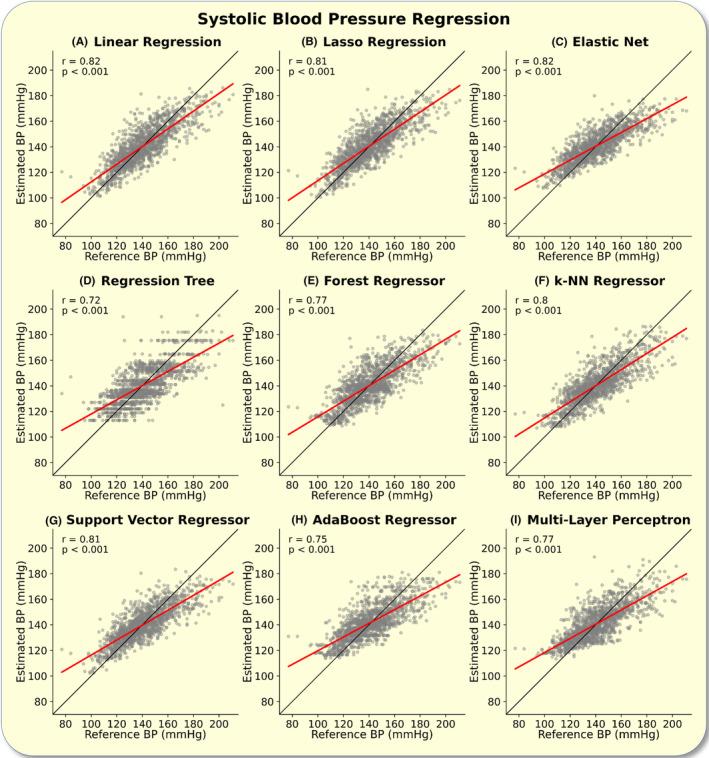
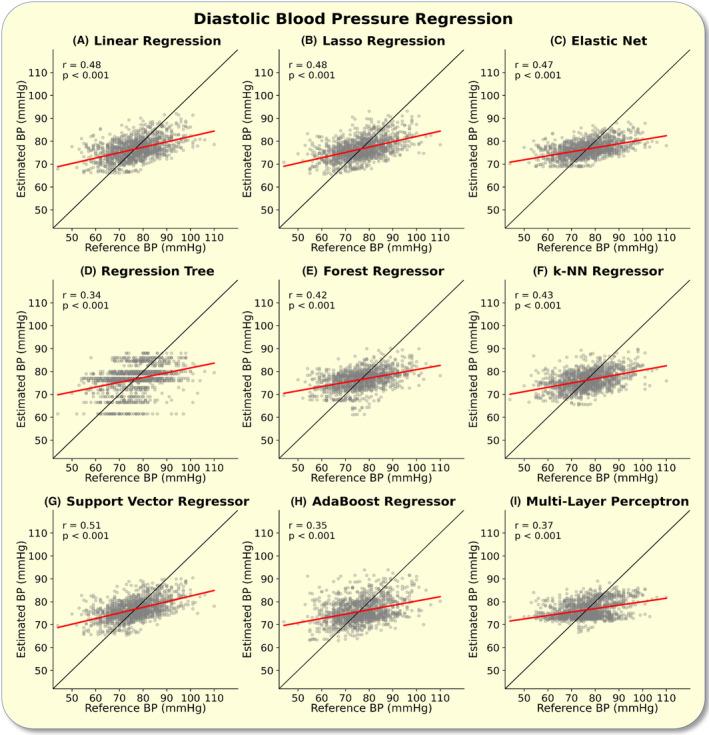
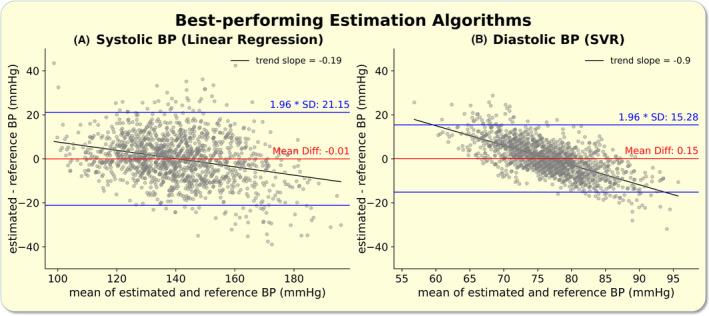
The multi-linear regression model demonstrated the highest measurement accuracy for systolic BP with a mean difference of -0.01 mmHg, a standard deviation (SD) of 10.79 mmHg, a mean absolute error (MAE) of 8.20 mmHg, and a correlation coefficient of r = 0.82. In contrast, the support vector regression model achieved the highest accuracy for diastolic BP with a mean difference of 0.15 mmHg, SD = 7.79 mmHg, MEA = 6.05 mmHg, and a correlation coefficient of r = 0.51.
CONCLUSION
The study demonstrates the feasibility of ICG-based machine learning algorithms for estimating cuff-based reference BP. However, further research into limiting biases, improving performance, and standardized validation is needed before clinical use.
目的
准确测量血压对于心血管疾病的诊断、风险评估、治疗决策及监测至关重要。遗憾的是,基于袖带的血压测量存在不准确和不舒适的问题。本研究首次探讨了使用阻抗心动图(ICG)数据通过机器学习估算血压的可行性。
方法
我们分析了71名年轻健康成年人的ICG数据。针对在心理(特里尔社会应激测试)和体育锻炼(自行车测力计)期间与质量控制的示波法(基于袖带)动脉血压测量相比的血压估计性能,评估了九种不同的机器学习算法。对模型进行优化以最小化均方根误差,并根据准确性和回归指标评估其性能。
结果
多元线性回归模型在收缩压测量方面显示出最高的准确性,平均差异为-0.01 mmHg,标准差(SD)为10.79 mmHg,平均绝对误差(MAE)为8.20 mmHg,相关系数r = 0.82。相比之下,支持向量回归模型在舒张压测量方面达到了最高准确性,平均差异为0.15 mmHg,SD = 7.79 mmHg,MEA = 6.05 mmHg,相关系数r = 0.51。
结论
该研究证明了基于ICG的机器学习算法用于估算基于袖带的参考血压的可行性。然而,在临床应用之前,需要进一步研究限制偏差、提高性能和进行标准化验证。


 Zotero 插件