
三氟尿苷/替匹嘧啶(FTD/TPI)用于香港转移性结直肠癌的全港队列研究。
Trifluridine/Tipiracil (FTD/TPI) in Metastatic Colorectal Cancer in Hong Kong: A Territory-Wide Cohort Study.
作者信息
Lam Ka-On, Li Karen Hoi-Lam, Leung Roland Ching-Yu, Tang Vikki, Yau Thomas
机构信息
Department of Clinical Oncology, Li Ka Shing Faculty of Medicine, Queen Mary Hospital, The University of Hong Kong, Hong Kong SAR, China.
Department of Medicine, Li Ka Shing Faculty of Medicine, Queen Mary Hospital, The University of Hong Kong, Hong Kong SAR, China.
出版信息
Adv Ther. 2025 Feb;42(2):1222-1236. doi: 10.1007/s12325-024-03077-4. Epub 2025 Jan 13.
INTRODUCTION
Randomized phase III trials showed that using trifluridine/tipiracil (FTD/TPI) in patients with pre-treated metastatic colorectal cancer (mCRC) conferred survival benefit versus placebo. Here, we investigated the effectiveness and safety of FTD/TPI and sought to identify prognostic factors among the mCRC population in Hong Kong.
METHODS
A non-interventional, retrospective, multicenter cohort study enrolled patients with mCRC who received FTD/TPI in seven public hospitals in Hong Kong between 2016 and 2020. Overall survival (OS) was the primary endpoint; treatment duration and occurrence of neutropenia were secondary endpoints. We also performed a post hoc analysis to identify factors influencing OS and treatment duration.
RESULTS
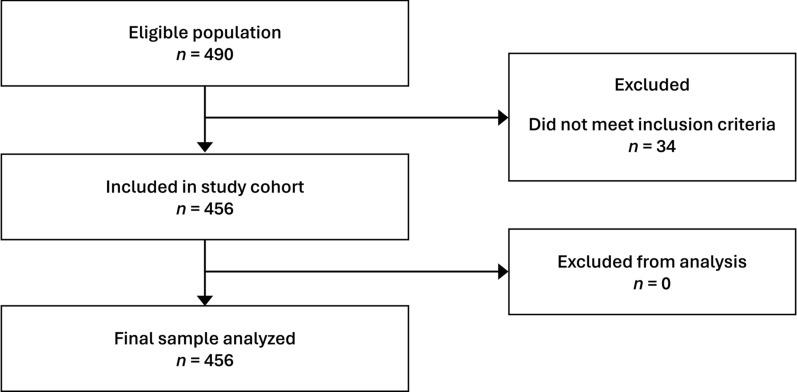
Overall, 456 patients were included (median age, 64.0 years; 57.5% men). Approximately half (225/456; 49.3%) had RAS wild-type tumors; the median treatment duration was 12.4 weeks (95% confidence interval [CI] 11.1-13.1). Median OS was 7.59 months (95% CI 7.00-8.21). Overall, 289 (63.4%) patients developed neutropenia of any grade and 159 (34.9%) developed grade ≥ 3 neutropenia. Neutropenia at 1 month occurred in 193 (43.1%) patients. The use of granulocyte colony-stimulating factor for neutropenia was reported for 42 (9.2%) patients. The development of neutropenia, absolute neutrophil count decrease of ≥ 2 grades in 1 month, absence of liver metastasis, and RAS wild-type status were associated with significantly longer OS and, except for RAS wild-type status (not analyzed), longer treatment duration (p < 0.05 for all comparisons).
CONCLUSION
Our data show that treatment with FTD/TPI offers survival benefits in patients with refractory mCRC in Hong Kong consistent with randomized controlled trials and other real-world studies. Furthermore, the prognosis in patients receiving FTD/TPI appears to be significantly better in those who develop neutropenia, with RAS wild-type status, or those without liver metastases, despite a higher rate of dose reduction in the real-world setting.
引言
随机III期试验表明,对于既往接受过治疗的转移性结直肠癌(mCRC)患者,使用曲氟尿苷/替匹嘧啶(FTD/TPI)对比安慰剂可带来生存获益。在此,我们调查了FTD/TPI的有效性和安全性,并试图确定香港mCRC患者群体中的预后因素。
方法
一项非干预性、回顾性、多中心队列研究纳入了2016年至2020年期间在香港七家公立医院接受FTD/TPI治疗的mCRC患者。总生存期(OS)为主要终点;治疗持续时间和中性粒细胞减少的发生情况为次要终点。我们还进行了事后分析以确定影响OS和治疗持续时间的因素。
结果
总体而言,共纳入456例患者(中位年龄64.0岁;男性占57.5%)。约一半(225/456;49.3%)患者的肿瘤为RAS野生型;中位治疗持续时间为12.4周(95%置信区间[CI] 11.1 - 13.1)。中位OS为7.59个月(95% CI 7.00 - 8.21)。总体而言,289例(63.4%)患者发生了任何级别的中性粒细胞减少,159例(34.9%)患者发生了≥3级中性粒细胞减少。1个月时发生中性粒细胞减少的患者有193例(43.1%)。42例(9.2%)患者报告使用了粒细胞集落刺激因子来治疗中性粒细胞减少。中性粒细胞减少的发生、1个月内绝对中性粒细胞计数下降≥2级、无肝转移以及RAS野生型状态与显著更长的OS相关,除RAS野生型状态(未分析)外,还与更长的治疗持续时间相关(所有比较p<0.05)。
结论
我们的数据表明,FTD/TPI治疗为难治性mCRC香港患者带来了生存获益,这与随机对照试验和其他真实世界研究一致。此外,尽管在真实世界中剂量降低率较高,但在发生中性粒细胞减少、具有RAS野生型状态或无肝转移的接受FTD/TPI治疗的患者中,预后似乎明显更好。

 Zotero 插件