
KRAS在癌症代谢、肿瘤微环境及临床治疗中的作用。
The roles of KRAS in cancer metabolism, tumor microenvironment and clinical therapy.
作者信息
Ma Qinglong, Zhang Wenyang, Wu Kongming, Shi Lei
机构信息
RNA Oncology Group, School of Public Health, Lanzhou University, Lanzhou, 730000, People's Republic of China.
Cancer Center, Shanxi Bethune Hospital, Shanxi Academy of Medical Science, Tongji Shanxi Hospital, Third Hospital of Shanxi Medical University, Taiyuan, 030032, People's Republic of China.
出版信息
Mol Cancer. 2025 Jan 13;24(1):14. doi: 10.1186/s12943-024-02218-1.
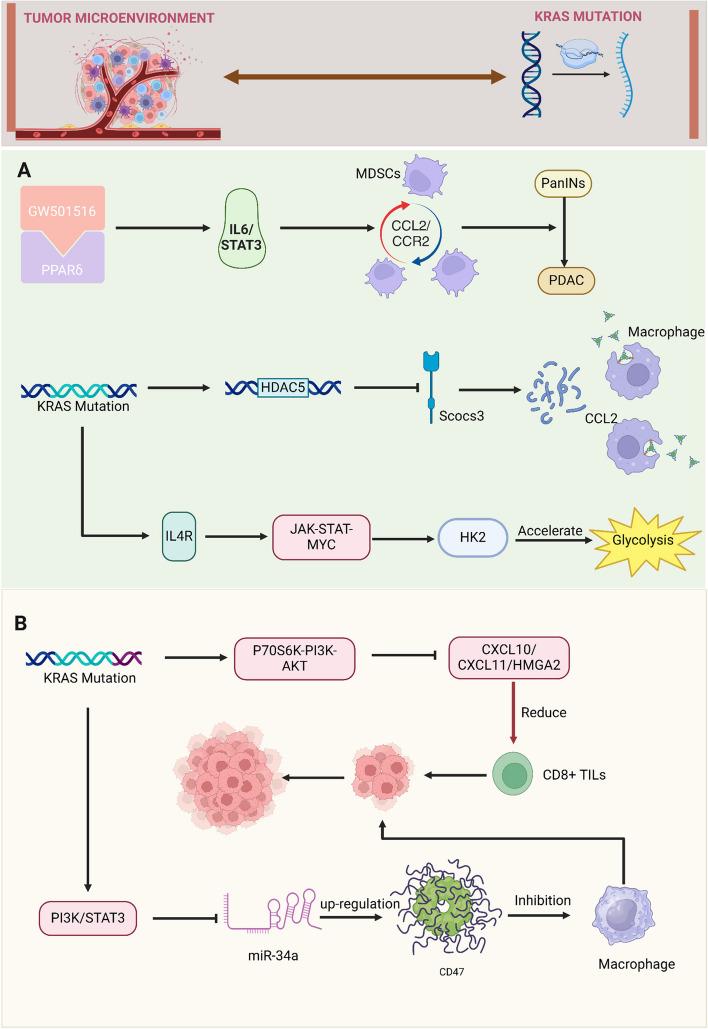
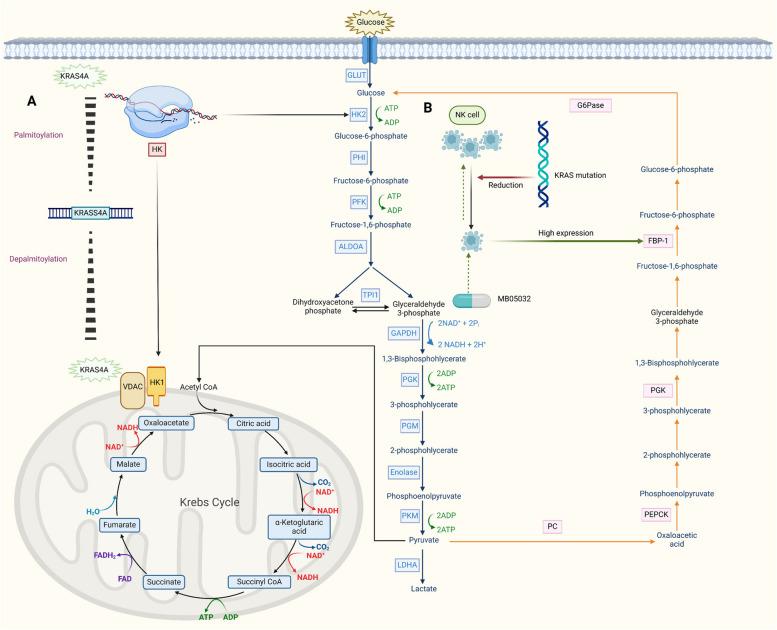
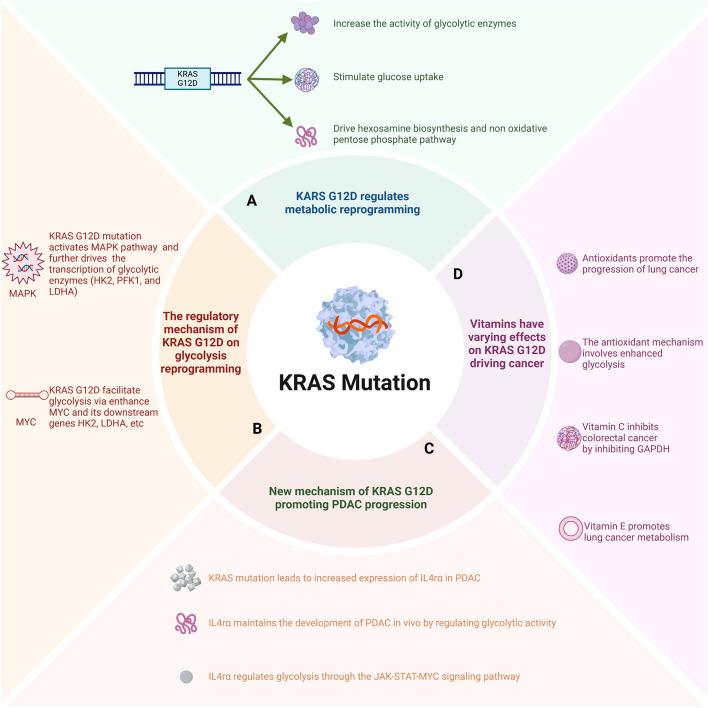
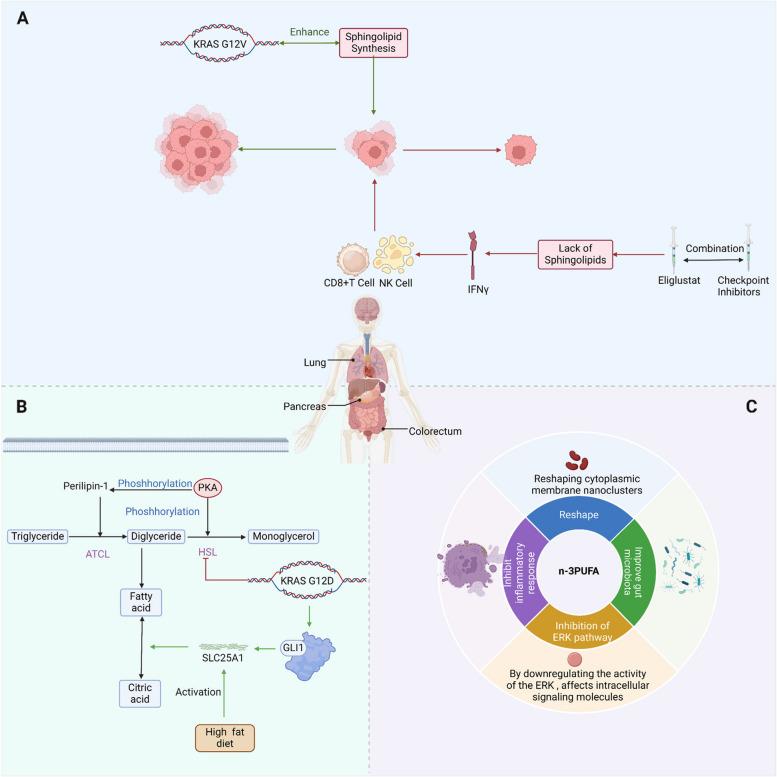
KRAS is one of the most mutated genes, driving alternations in metabolic pathways that include enhanced nutrient uptaking, increased glycolysis, elevated glutaminolysis, and heightened synthesis of fatty acids and nucleotides. However, the beyond mechanisms of KRAS-modulated cancer metabolisms remain incompletely understood. In this review, we aim to summarize current knowledge on KRAS-related metabolic alterations in cancer cells and explore the prevalence and significance of KRAS mutation in shaping the tumor microenvironment and influencing epigenetic modification via various molecular activities. Given that cancer cells rely on these metabolic changes to sustain cell growth and survival, targeting these processes may represent a promising therapeutic strategy for KRAS-driven cancers.
KRAS是最易发生突变的基因之一,它驱动代谢途径的改变,包括增强营养摄取、增加糖酵解、提高谷氨酰胺分解代谢,以及增强脂肪酸和核苷酸的合成。然而,KRAS调节的癌症代谢的其他机制仍未完全清楚。在这篇综述中,我们旨在总结目前关于癌细胞中与KRAS相关的代谢改变的知识,并探讨KRAS突变在塑造肿瘤微环境以及通过各种分子活动影响表观遗传修饰方面的普遍性和重要性。鉴于癌细胞依靠这些代谢变化来维持细胞生长和存活,针对这些过程可能是KRAS驱动的癌症的一种有前景的治疗策略。

 Zotero 插件