
用于癌症光动力治疗的活性氧(ROS)响应型药物递送系统的最新进展
Recent advances in reactive oxygen species (ROS)-responsive drug delivery systems for photodynamic therapy of cancer.
作者信息
Hu Danrong, Li Yicong, Li Ran, Wang Meng, Zhou Kai, He Chengqi, Wei Quan, Qian Zhiyong
机构信息
Rehabilitation Medicine Center and Institute of Rehabilitation Medicine, Cancer Center and State Key Laboratory of Biotherapy, West China Hospital, Sichuan University, Chengdu 610041, China.
Key Laboratory of Rehabilitation Medicine in Sichuan Province, West China Hospital, Sichuan University, Chengdu 610041, China.
出版信息
Acta Pharm Sin B. 2024 Dec;14(12):5106-5131. doi: 10.1016/j.apsb.2024.10.015. Epub 2024 Nov 2.
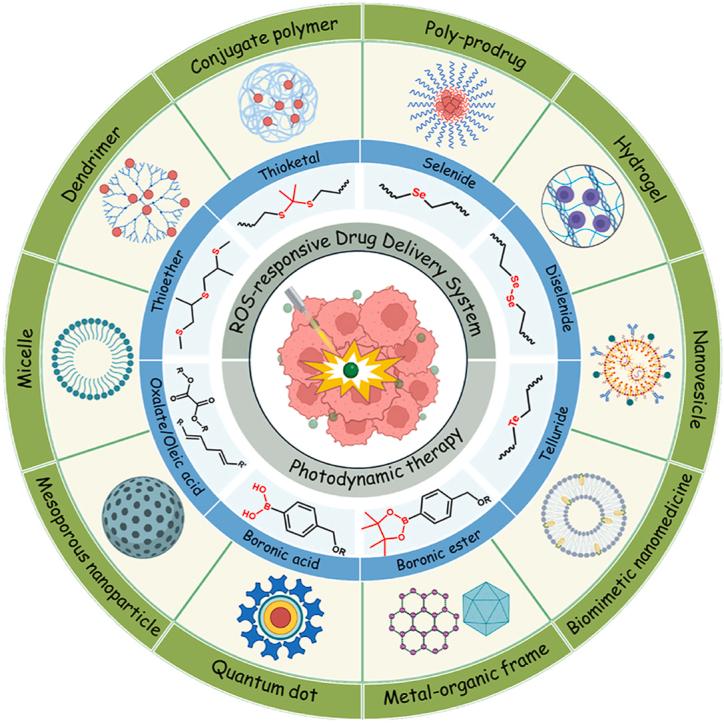
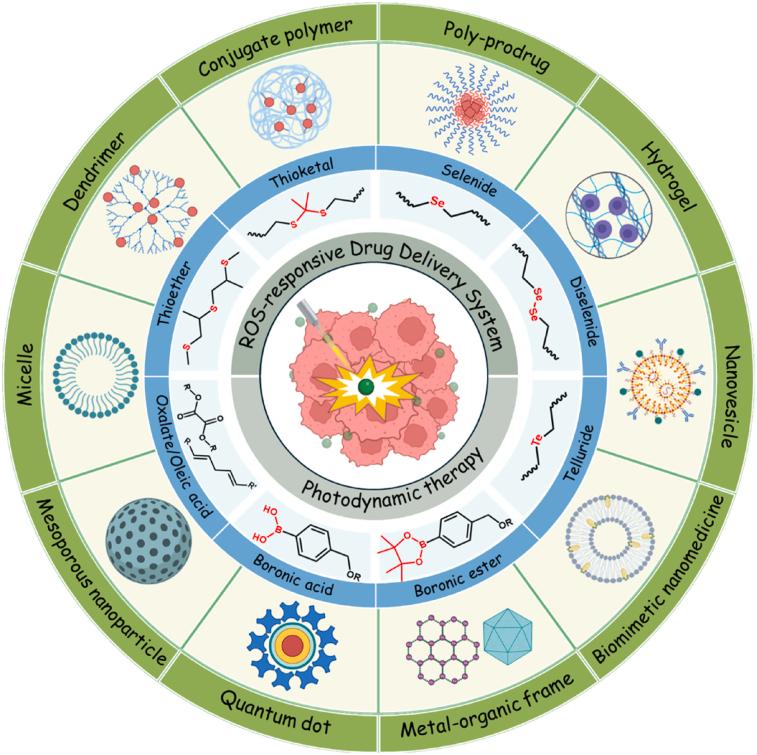
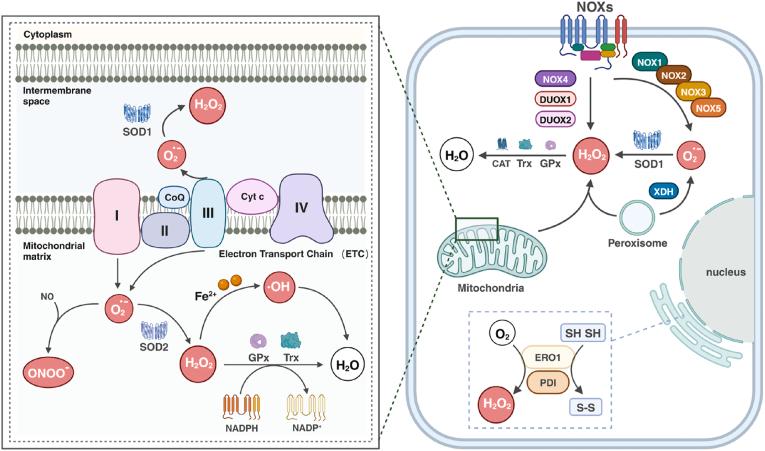
Reactive oxygen species (ROS)-responsive drug delivery systems (DDSs) have garnered significant attention in cancer research because of their potential for precise spatiotemporal drug release tailored to high ROS levels within tumors. Despite the challenges posed by ROS distribution heterogeneity and endogenous supply constraints, this review highlights the strategic alliance of ROS-responsive DDSs with photodynamic therapy (PDT), enabling selective drug delivery and leveraging PDT-induced ROS for enhanced therapeutic efficacy. This review delves into the biological importance of ROS in cancer progression and treatment. We elucidate in detail the operational mechanisms of ROS-responsive linkers, including thioether, thioketal, selenide, diselencide, telluride and aryl boronic acids/esters, as well as the latest developments in ROS-responsive nanomedicines that integrate with PDT strategies. These insights are intended to inspire the design of innovative ROS-responsive nanocarriers for enhanced cancer PDT.
活性氧(ROS)响应型药物递送系统(DDSs)因其能够针对肿瘤内高ROS水平进行精确的时空药物释放,在癌症研究中备受关注。尽管ROS分布异质性和内源性供应限制带来了挑战,但本综述强调了ROS响应型DDSs与光动力疗法(PDT)的战略联盟,实现了选择性药物递送,并利用PDT诱导的ROS提高治疗效果。本综述深入探讨了ROS在癌症进展和治疗中的生物学重要性。我们详细阐述了ROS响应型连接子的作用机制,包括硫醚、硫缩酮、硒化物、二硒化物、碲化物和芳基硼酸/酯,以及与PDT策略相结合的ROS响应型纳米药物的最新进展。这些见解旨在启发设计创新的ROS响应型纳米载体,以增强癌症PDT效果。


 Zotero 插件