
前列腺素D2会延迟老年棉鼠体内CD8 + T细胞反应及呼吸道合胞病毒的清除。
Prostaglandin D2 delays CD8+ T-cell responses and respiratory syncytial virus clearance in geriatric cotton rats.
作者信息
Miller Jonathan L, Leedale Cameron, Kang Danyue, Lilue Jingtao, Harder Olivia E, Niewiesk Stefan
机构信息
Department of Veterinary Biosciences, College of Veterinary Medicine, The Ohio State University, Columbus, Ohio, USA.
Oujiang Laboratory, Wenzhou, China.
出版信息
J Virol. 2025 Feb 25;99(2):e0186324. doi: 10.1128/jvi.01863-24. Epub 2025 Jan 17.
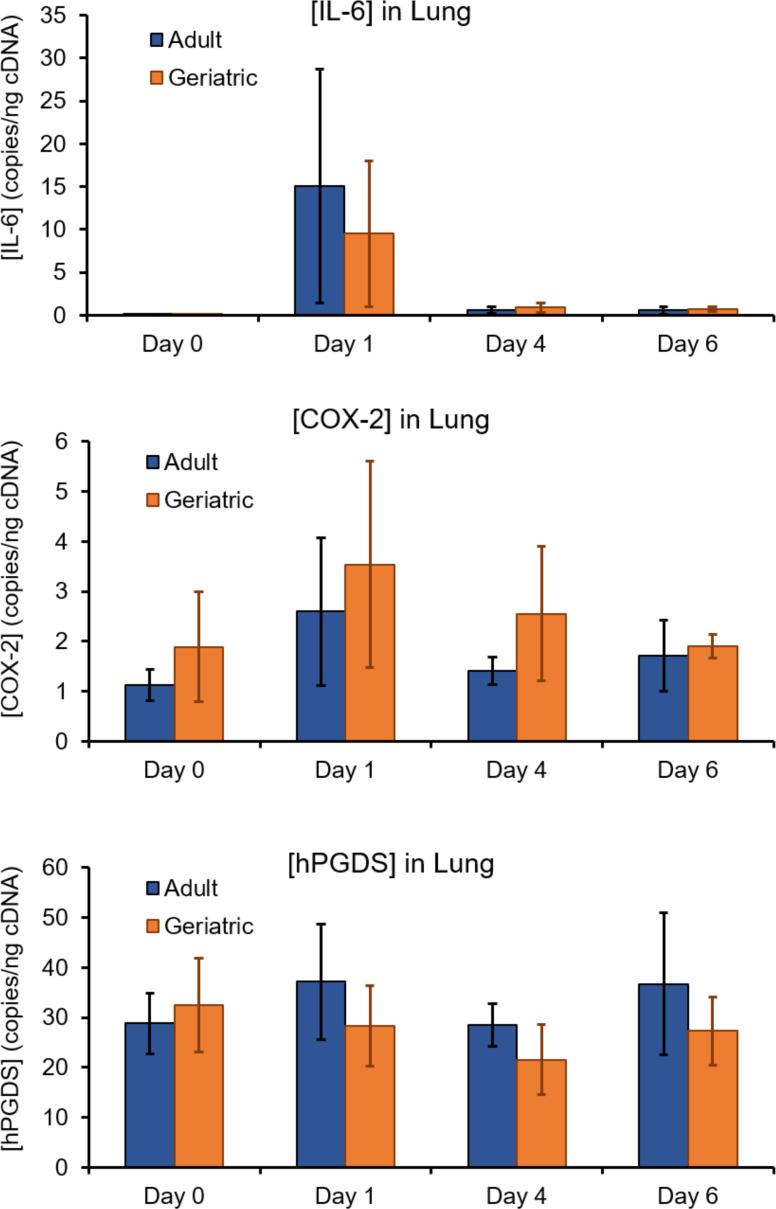
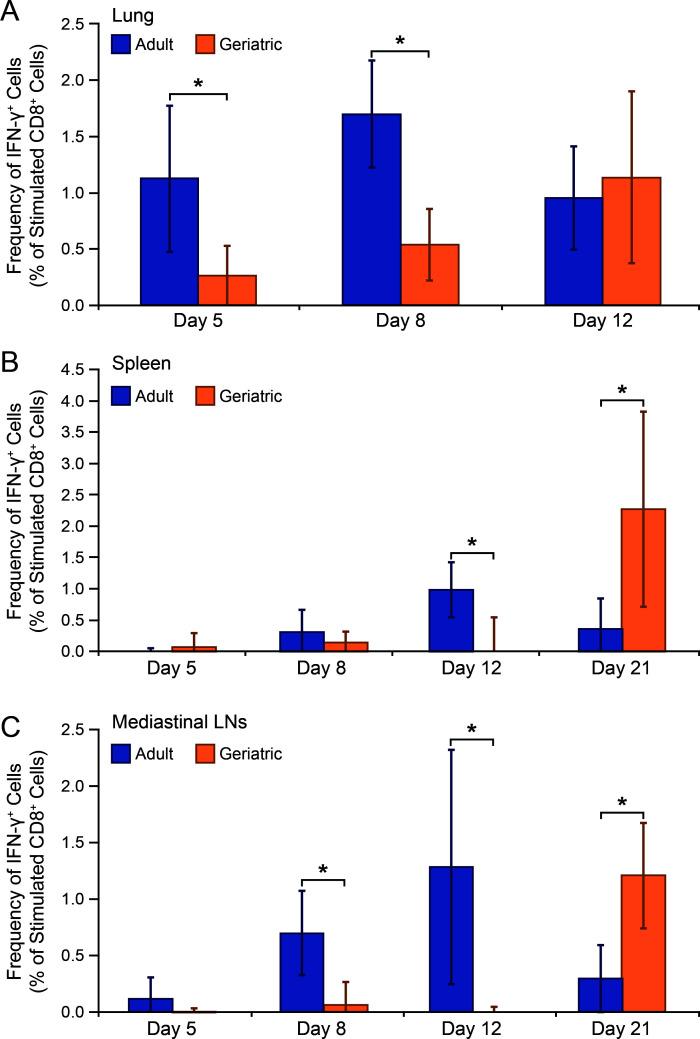
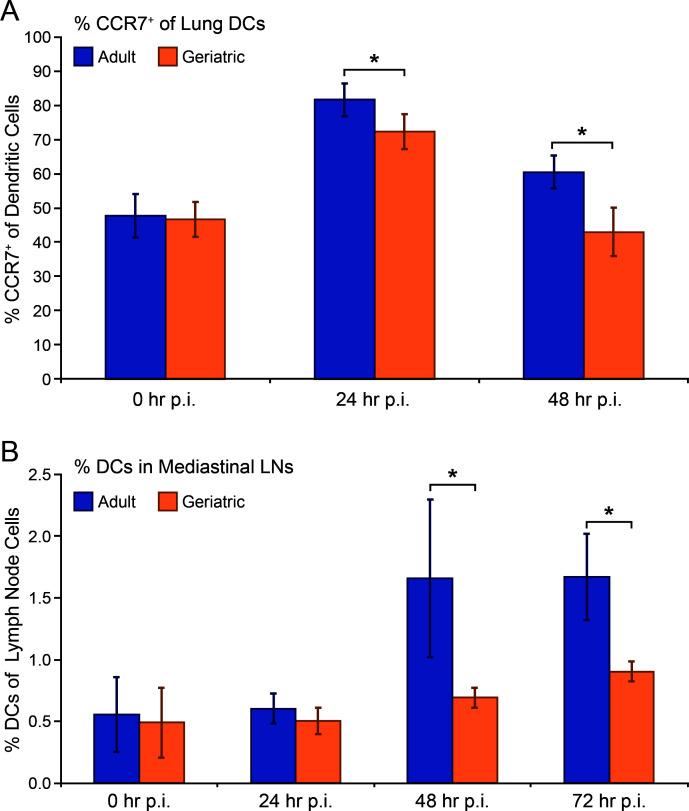
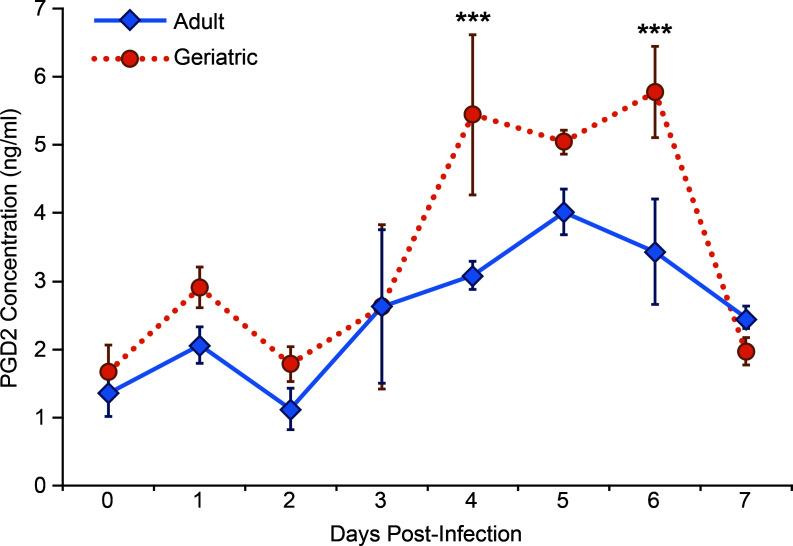
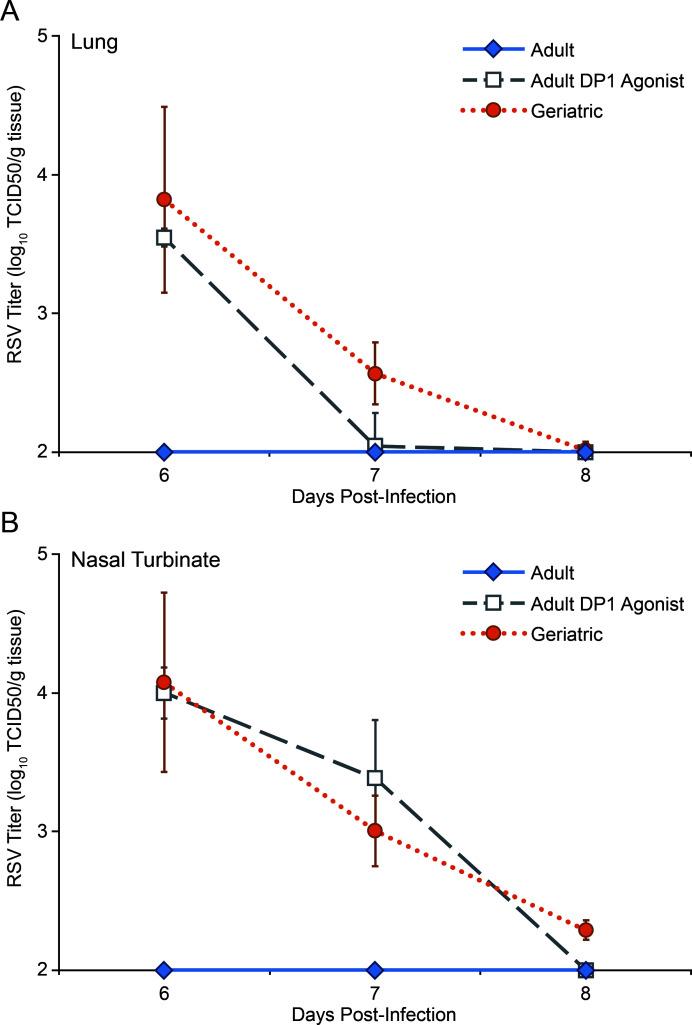
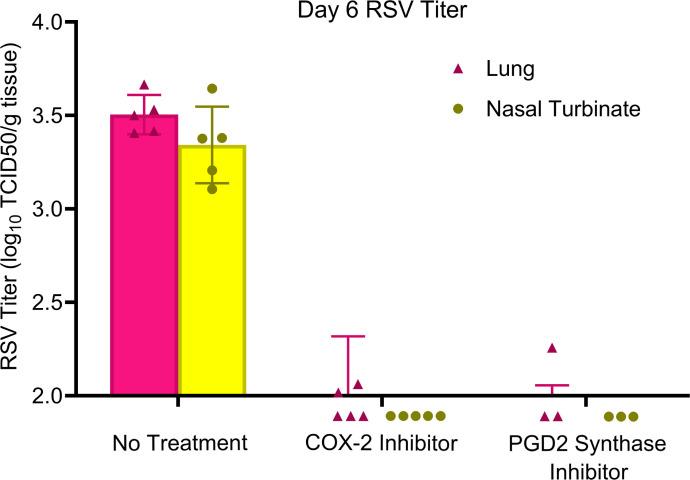
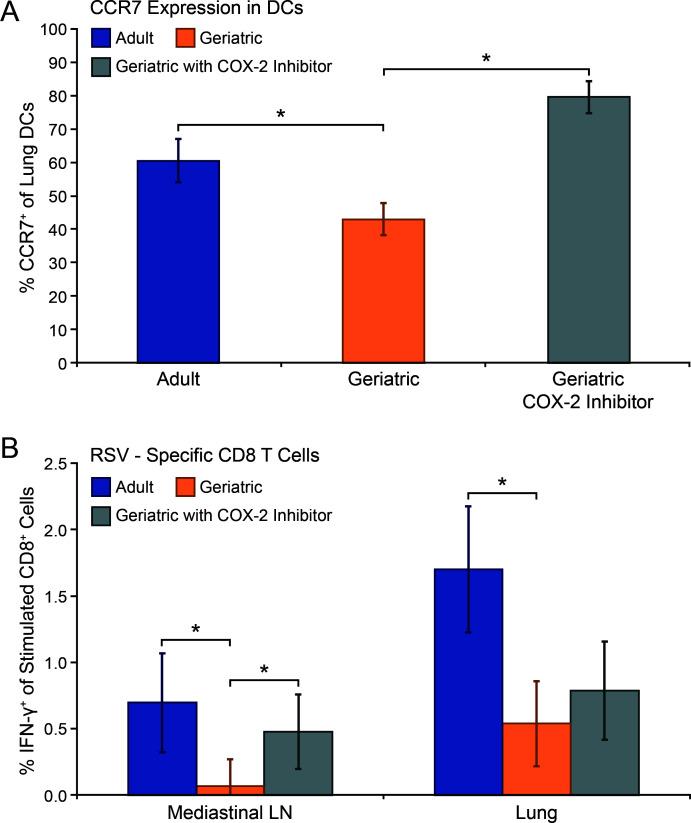
Respiratory syncytial virus (RSV) infection is associated with increased rates of severe disease, hospitalization, and death in elderly individuals. Clearance of RSV is frequently delayed within this demographic, contributing to the more severe disease course. Geriatric cotton rats mimic this prolonged clearance kinetic and serve as a useful animal model for studying age-associated immunological deficits during RSV infection. Treatment with the cyclooxygenase (COX) inhibitor ibuprofen restores RSV clearance, indicating that inflammation contributes to impaired clearance in geriatric cotton rats. Here, we further characterize a compromised immune response in geriatric cotton rats and identify an inflammatory pathway that contributes to this deficiency. Dendritic cell (DC) activation and migration to mediastinal lymph nodes are decreased during early infection in geriatric cotton rats, resulting in delayed generation of cytotoxic T cells and virus clearance. Prostaglandin D (PGD2), which reduces DC migration through the elevation of D-type prostanoid 1 receptor (DP1 receptor), is elevated in the airways of infected geriatric cotton rats. Reducing PGD2 production by inhibiting COX-2 or PGD2 synthase improves RSV clearance kinetics through DC activation and RSV-specific CD8+ T-cell responses in geriatric cotton rats, whereas activation of DP1 receptor through an agonist resulted in delayed viral clearance in adult cotton rats. These results indicate that PGD2 contributes to delayed antigen presentation and CD8+ T-cell responses to RSV in geriatric cotton rats. Inhibiting PGD2 generation or signaling may be a useful mechanism of therapeutic intervention in elderly individuals.IMPORTANCEElderly adults are at increased risk of severe disease resulting from infection with respiratory syncytial virus (RSV), characterized in part by delayed clearance (removal of the virus from airways). Understanding the immunological factors that lead to this delayed clearance may allow for the development of therapies to improve disease outcomes in elderly individuals infected with RSV and other respiratory viruses. Here, we describe an inflammatory pathway in geriatric cotton rats, the preferred small animal laboratory model for RSV, that impairs the generation of an effective immune response. We show that inhibiting this inflammatory pathway in geriatric cotton rats improves immune parameters and speeds clearance of RSV. These results contribute to our understanding of delayed RSV clearance in elderly individuals with possible applications for improving immune responses to RSV in clinical settings.
呼吸道合胞病毒(RSV)感染与老年个体严重疾病、住院和死亡发生率增加相关。在这一人群中,RSV的清除常常延迟,导致病程更为严重。老年棉鼠模拟了这种延长的清除动力学,是研究RSV感染期间与年龄相关的免疫缺陷的有用动物模型。用环氧化酶(COX)抑制剂布洛芬治疗可恢复RSV清除,表明炎症导致老年棉鼠清除受损。在此,我们进一步描述老年棉鼠受损的免疫反应,并确定导致这种缺陷的炎症途径。在老年棉鼠早期感染期间,树突状细胞(DC)的激活和向纵隔淋巴结的迁移减少,导致细胞毒性T细胞生成延迟和病毒清除延迟。前列腺素D(PGD2)通过升高D型前列腺素1受体(DP1受体)减少DC迁移,在感染的老年棉鼠气道中升高。通过抑制COX-2或PGD2合酶减少PGD2生成,可通过激活DC和老年棉鼠中RSV特异性CD8+T细胞反应改善RSV清除动力学,而通过激动剂激活DP1受体则导致成年棉鼠病毒清除延迟。这些结果表明,PGD2导致老年棉鼠抗原呈递延迟和对RSV的CD8+T细胞反应延迟。抑制PGD2生成或信号传导可能是老年个体治疗干预的有用机制。
重要性
老年成年人因感染呼吸道合胞病毒(RSV)而患严重疾病的风险增加,部分特征为清除延迟(从气道中清除病毒)。了解导致这种清除延迟的免疫因素可能有助于开发改善感染RSV和其他呼吸道病毒的老年个体疾病结局的疗法。在此,我们描述了老年棉鼠(RSV首选的小型动物实验室模型)中一种损害有效免疫反应生成的炎症途径。我们表明,在老年棉鼠中抑制这种炎症途径可改善免疫参数并加快RSV清除。这些结果有助于我们理解老年个体中RSV清除延迟的情况,可能在临床环境中改善对RSV的免疫反应方面有应用价值。
 Zotero 插件