
人类与疟原虫蛋白酶体β5亚基的结构比较:为抗疟疾药物的选择性抑制剂设计提供依据
Structural comparison of human and Plasmodium proteasome β5 subunits: informing selective inhibitor design for anti-malaria agents.
作者信息
Yasir Muhammad, Park Jinyoung, Han Eun-Taek, Park Won Sun, Han Jin-Hee, Chun Wanjoo
机构信息
Department of Pharmacology, Kangwon National University School of Medicine, Chuncheon, 24341, Republic of Korea.
Department of Medical Environmental Biology and Tropical Medicine, Kangwon National University School of Medicine, Chuncheon, 24341, Republic of Korea.
出版信息
Malar J. 2025 Jan 21;24(1):21. doi: 10.1186/s12936-025-05259-z.
BACKGROUND
The Plasmodium proteasome emerges as a promising target for anti-malarial drug development due to its potential activity against multiple life cycle stages.
METHODS
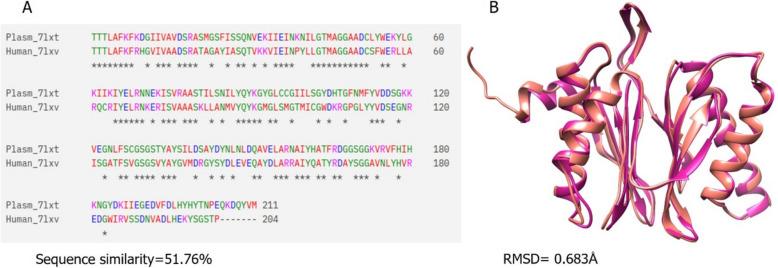
In this investigation, a comparative analysis was conducted on the structural features of the β5 subunit in the 20S proteasomes of both Plasmodium and humans.
RESULTS
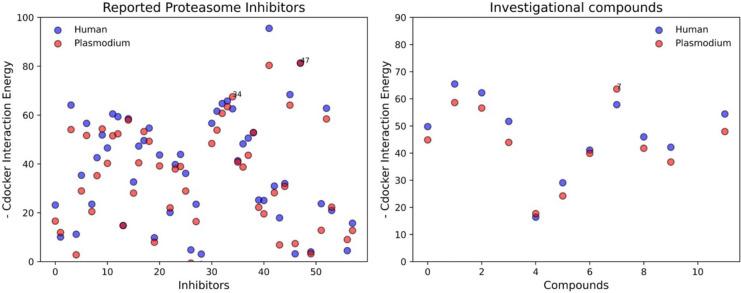
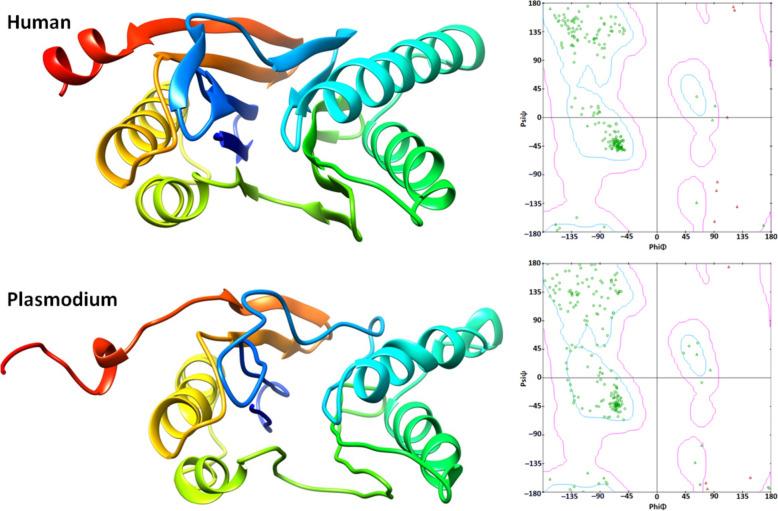
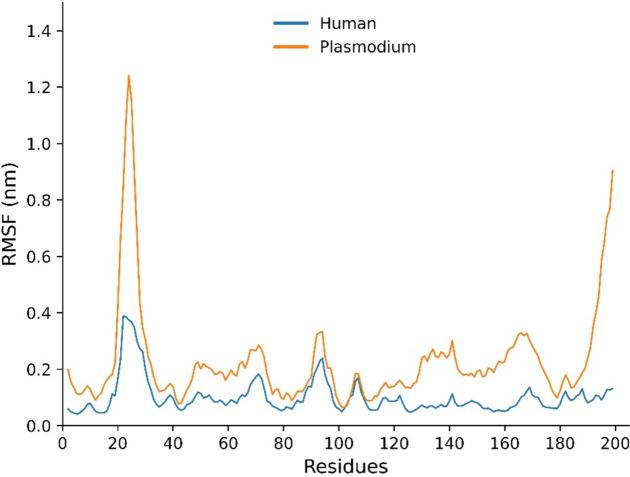
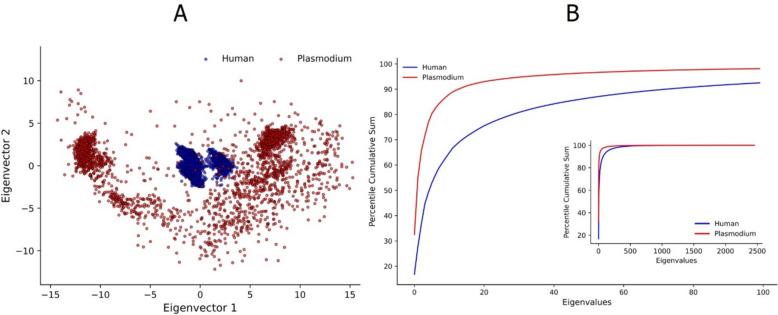
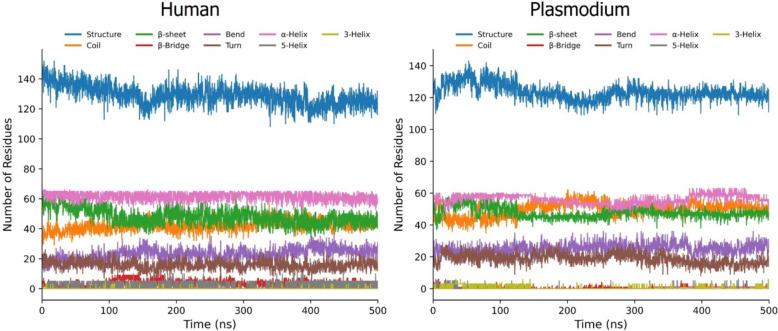
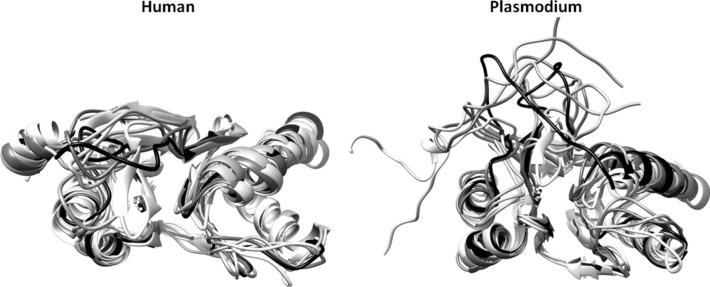
The findings underscore the structural diversity inherent in both proteasomes. The human proteasome β5 subunit reveals a composition rich in β-sheets and adopts a more compact conformation. This structural arrangement limits the ligand binding pocket's capacity to accommodate only small compounds effectively. In contrast, the Plasmodium β5 subunit exhibits a higher prevalence of loop structures, creating a more open and flexible binding pocket. This unique structural characteristic enables the binding of a larger and more diverse array of compounds.
CONCLUSION
The discernible structural contrast between the human and Plasmodium proteasome β5 subunits holds promise for the identification of Plasmodium-selective compounds. The ability of the Plasmodium proteasome to accommodate a broader range of compounds due to its distinctive structural features opens avenues for drug screening to intending to develop selective anti-malarial agents. This study contributes valuable insights into the structural basis for targeting the Plasmodium proteasome and paves the way for the rational design of compounds with enhanced specificity and efficacy against malaria.
背景
疟原虫蛋白酶体因其对多个生命周期阶段具有潜在活性,成为抗疟药物开发的一个有前景的靶点。
方法
在本研究中,对疟原虫和人类20S蛋白酶体中β5亚基的结构特征进行了比较分析。
结果
研究结果强调了两种蛋白酶体固有的结构多样性。人类蛋白酶体β5亚基富含β折叠,构象更为紧凑。这种结构安排限制了配体结合口袋有效容纳小分子化合物的能力。相比之下,疟原虫β5亚基的环结构更为普遍,形成了一个更开放、更灵活的结合口袋。这种独特的结构特征使得能够结合更大、更多样化的化合物。
结论
人类和疟原虫蛋白酶体β5亚基之间明显的结构差异为鉴定疟原虫选择性化合物带来了希望。疟原虫蛋白酶体因其独特的结构特征能够容纳更广泛的化合物,这为旨在开发选择性抗疟药物的药物筛选开辟了途径。本研究为靶向疟原虫蛋白酶体的结构基础提供了有价值的见解,并为合理设计对疟疾具有更高特异性和疗效的化合物铺平了道路。




 Zotero 插件