
通过基于原生质体的CRISPR核糖核蛋白编辑产生的无转基因油菜突变体中,[基因名称]的敲除导致芥子碱显著减少。 (注:原文中“Knockout of ”这里缺少具体基因名称)
Knockout of caused significant sinapine reduction in transgene-free rapeseed mutants generated by protoplast-based CRISPR RNP editing.
作者信息
Moss Oliver, Li Xueyuan, Wang Eu Sheng, Kanagarajan Selvaraju, Guan Rui, Ivarson Emelie, Zhu Li-Hua
机构信息
Department of Plant Breeding, Swedish University of Agricultural Sciences, Lomma, Sweden.
出版信息
Front Plant Sci. 2025 Jan 7;15:1526941. doi: 10.3389/fpls.2024.1526941. eCollection 2024.
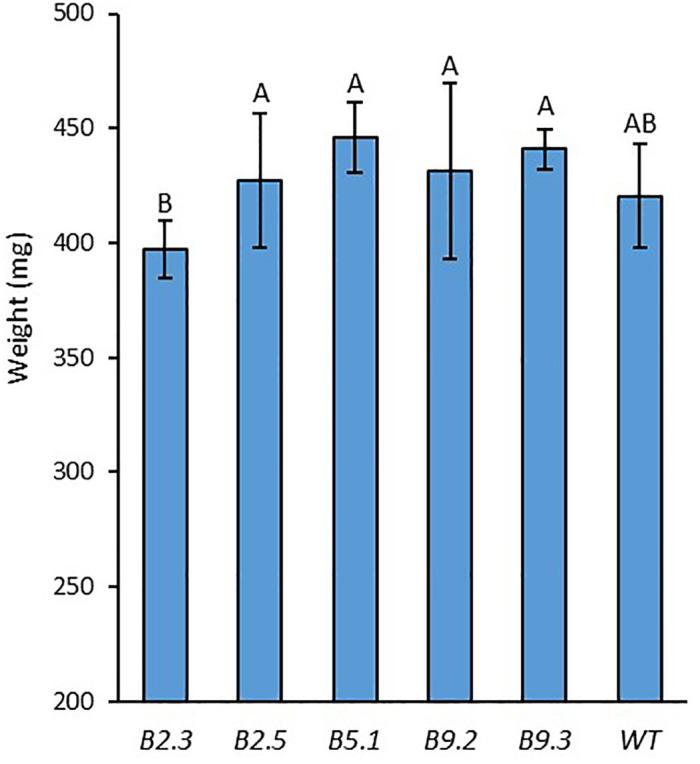
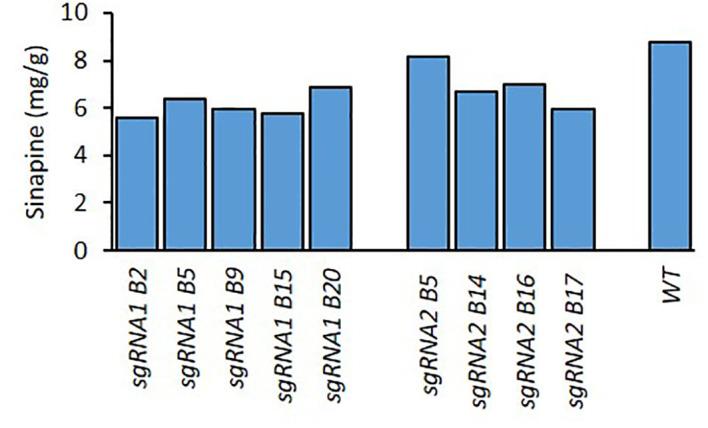
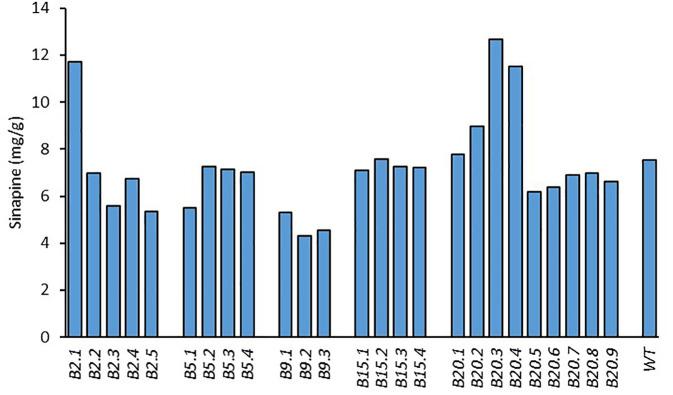
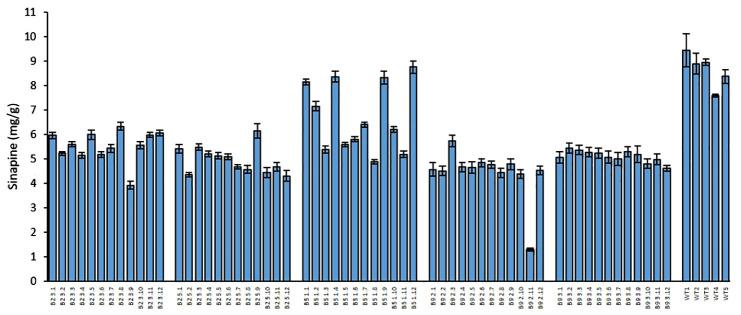
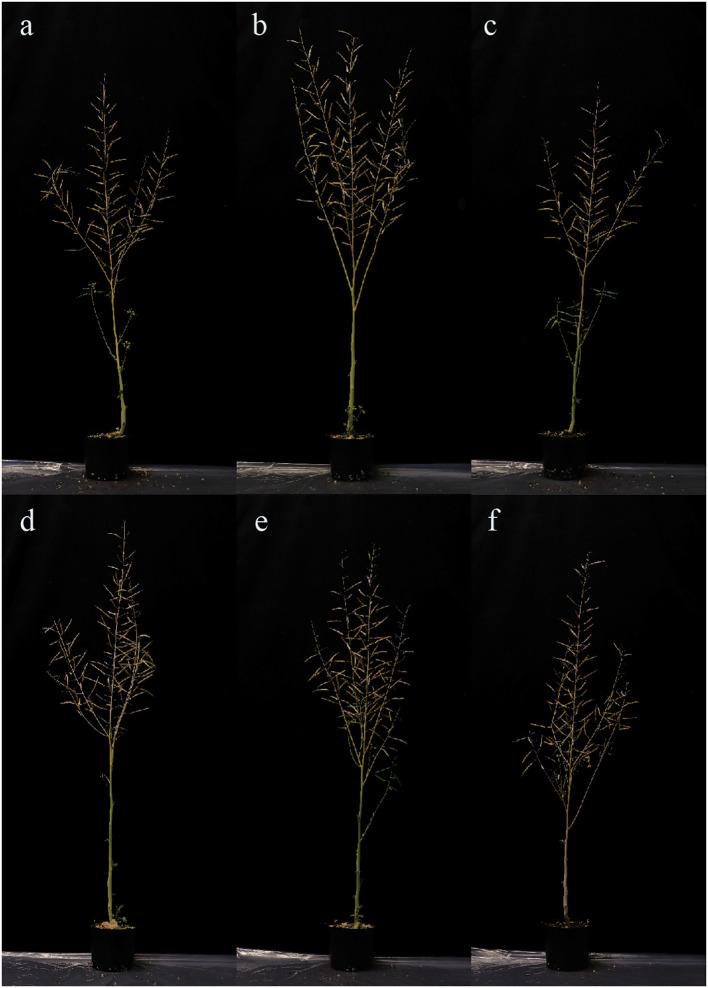
Rapeseed ( L.) is known for its high-quality seed oil and protein content. However, its use in animal feed is restricted due to antinutritional factors present in the seedcake, with sinapine being one of the main compounds that reduces palatability. Attempts to develop rapeseed germplasm with lower sinapine levels through traditional breeding methods have shown limited progress. Genetic transformation methods could create new genotypes with reduced sinapine levels by silencing key genes involved in sinapine biosynthesis, though these methods often result in transgenic or genetically modified plants. The recent development of CRISPR-Cas technology provides a precise and efficient approach to crop improvement, with the potential to generate transgene-free mutants. In this study, we targeted the genes for knockout using CRISPR-Cas editing. By utilizing our newly established protoplast regeneration and transfection protocol for rapeseed, we demonstrated that DNA-free CRISPR editing via protoplast-based ribonucleoprotein (RNP) delivery was highly effective. We achieved successful knockout of the paralogues, with an average mutation efficiency of over 30%. Sequencing results revealed a variety of mutation types, from 1 bp insertions to 10 bp deletions, with most mutants exhibiting frameshift mutations that led to premature stop codons. The mutants displayed no visible phenotypic differences in growth patterns or flowering compared to the wild type. Importantly, sinapine content was significantly reduced in all T generation mutants analysed, while seed weight remained comparable between mutants and the wild type.
油菜(L.)以其高质量的种子油和蛋白质含量而闻名。然而,由于籽饼中存在抗营养因子,其在动物饲料中的使用受到限制,芥子碱是降低适口性的主要化合物之一。通过传统育种方法培育低芥子碱水平油菜种质的尝试进展有限。遗传转化方法可以通过沉默参与芥子碱生物合成的关键基因来创造低芥子碱水平的新基因型,尽管这些方法通常会产生转基因或基因编辑植物。CRISPR-Cas技术的最新发展为作物改良提供了一种精确而有效的方法,有可能产生无转基因的突变体。在本研究中,我们使用CRISPR-Cas编辑靶向基因进行敲除。通过利用我们新建立的油菜原生质体再生和转染方案,我们证明了基于原生质体的核糖核蛋白(RNP)递送的无DNA CRISPR编辑非常有效。我们成功敲除了同源基因,平均突变效率超过30%。测序结果揭示了从1 bp插入到10 bp缺失的多种突变类型,大多数突变体表现出移码突变,导致过早出现终止密码子。与野生型相比,突变体在生长模式或开花方面没有明显的表型差异。重要的是,在所有分析的T代突变体中,芥子碱含量显著降低,而突变体和野生型之间的种子重量相当。


 Zotero 插件