
海湾战争疾病症状学与炭疽疫苗抗原对人白细胞(HLA)II类分子预测结合亲和力的负相关。
Negative Association of Gulf War Illness Symptomatology with Predicted Binding Affinity of Anthrax Vaccine Antigen to Human Leukocyte (HLA) Class II Molecules.
作者信息
James Lisa M, Georgopoulos Apostolos P
机构信息
The GWI and HLA Research Groups, Brain Sciences Center, Department of Veterans Affairs Health Care System, Minneapolis, MN 55417, USA.
Department of Neuroscience, University of Minnesota Medical School, Minneapolis, MN 55455, USA.
出版信息
Vaccines (Basel). 2025 Jan 18;13(1):88. doi: 10.3390/vaccines13010088.
BACKGROUND
Anthrax is a serious disease caused by () with a very high mortality when the spores of are inhaled (inhalational anthrax). Aerosolized spores can be used as a deadly bioweapon. Vaccination against anthrax is the only effective preventive measure and, hence, the anthrax vaccine was administered to United States (and other) troops during the 1990-91 Gulf War. However, the anthrax vaccine is not harmless, and the anthrax vaccination has been linked to the occurrence and severity of Gulf War Illness (GWI), a debilitating Chronic Multisymptom Illness (CMI). We hypothesized that this is partly due to the combination of two factors, namely (a) the cytotoxicity of the antigen (anthrax Protective Antigen, PA) contained in the vaccine, and (b) the Human Leukocyte Antigen (HLA) genotype of susceptible vaccinees, reducing their ability to make antibodies against the cytotoxic PA.
METHOD
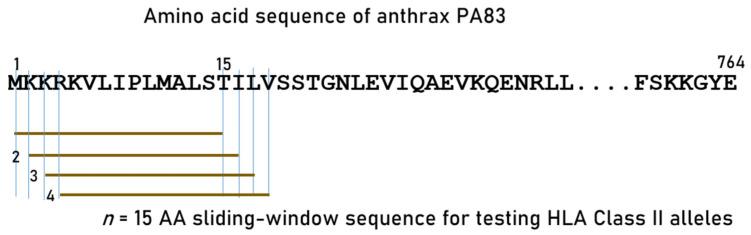
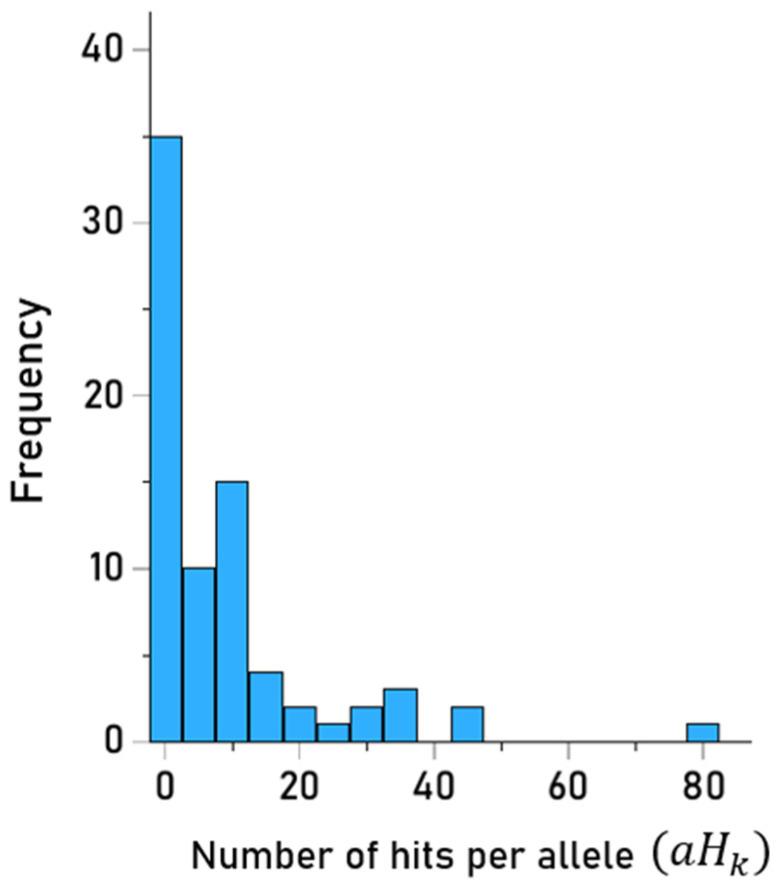
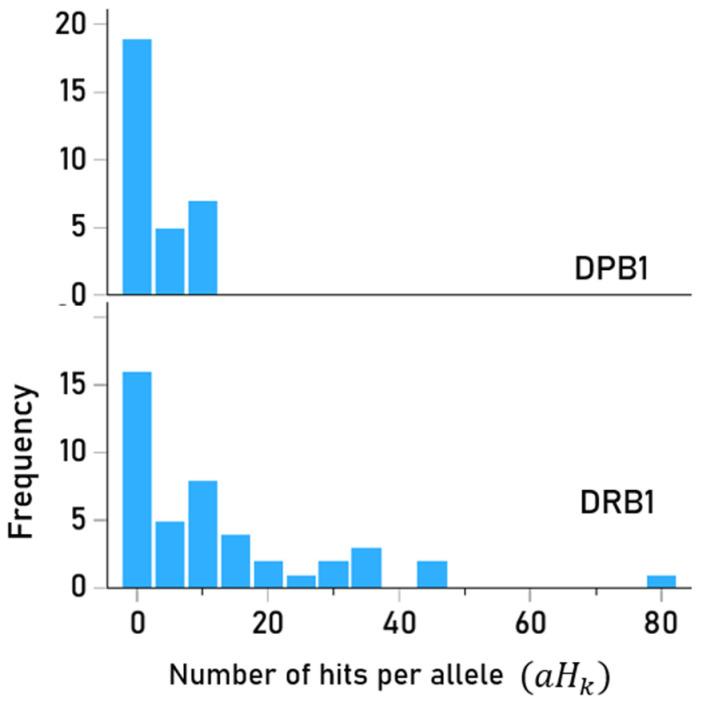
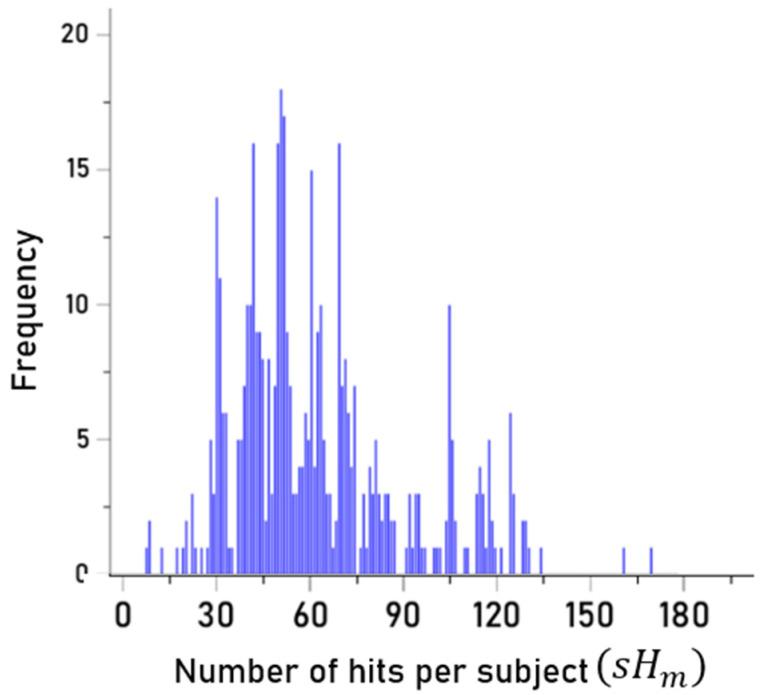
Here, we tested this hypothesis by determining the association between severity of GWI symptoms in 458 GW veterans and the overall strength of the binding affinity of the PA epitopes to the specific six Human Leukocyte Antigen (HLA) Class II alleles carried by each individual (two of each of the HLA-II genes: DPB1, DQB1, DRB1), responsible for initiating the process of antibody production in otherwise immunocompetent individuals, estimated in silico.
RESULTS
We found that the severity of GWI symptomatology was negatively and significantly correlated with the strength of the predicted binding affinity of PA peptides to HLA-II molecules (r=-0.356, p<0.001); the stronger the overall binding affinity, the weaker the symptoms. Since the binding of a peptide to an HLA-II molecule is the first and necessary step in initiating the production of antibodies, the findings above support our hypothesis that the severity of GWI symptomatology is partly due to a lack of HLA-II protection.
CONCLUSIONS
Reduced HLA protection against the toxic anthrax vaccine may underlie GWI.
背景
炭疽是由()引起的一种严重疾病,当吸入()的孢子(吸入性炭疽)时死亡率非常高。雾化的()孢子可用作致命的生物武器。接种炭疽疫苗是唯一有效的预防措施,因此,在1990 - 91年海湾战争期间,美国(及其他国家)军队接种了炭疽疫苗。然而,炭疽疫苗并非无害,炭疽疫苗接种与海湾战争综合征(GWI)的发生和严重程度有关,GWI是一种使人衰弱的慢性多症状疾病(CMI)。我们推测,这部分是由于两个因素的结合,即(a)疫苗中所含抗原(炭疽保护性抗原,PA)的细胞毒性,以及(b)易感接种者的人类白细胞抗原(HLA)基因型,降低了他们产生针对细胞毒性PA的抗体的能力。
方法
在此,我们通过确定458名海湾战争退伍军人中GWI症状的严重程度与PA表位与每个个体所携带的特定六种人类白细胞抗原(HLA)II类等位基因(HLA - II基因各两个:DPB1、DQB1、DRB1)的结合亲和力的总体强度之间的关联来检验这一假设,这些等位基因负责在免疫功能正常的个体中启动抗体产生过程,通过计算机模拟估算。
结果
我们发现,GWI症状的严重程度与PA肽与HLA - II分子预测的结合亲和力强度呈负相关且具有显著相关性(r = - 0.356,p < 0.001);总体结合亲和力越强,症状越轻。由于肽与HLA - II分子的结合是启动抗体产生的第一步且是必要步骤,上述发现支持了我们的假设,即GWI症状的严重程度部分归因于缺乏HLA - II保护。
结论
针对毒性炭疽疫苗的HLA保护降低可能是GWI的基础。



 Zotero 插件