
一种中枢性性早熟疾病的新型模型:父源MKRN3基因修饰兔。
A novel model of central precocious puberty disease: Paternal MKRN3 gene-modified rabbit.
作者信息
Chen Bangzhu, Ye Xing, Chen Lihao, Liu Tianping, Li Guiling, Sa Chula, Li Juan, Liu Ke, Gu Weiwang, Wang Gang
机构信息
Department of Obstetrics and Gynecology, Guangdong Provincial Key Laboratory of Major Obstetric Diseases, Guangdong Provincial Clinical Research Center for Obstetrics and Gynecology, Guangdong-Hong Kong-Macao Greater Bay Area Higher Education Joint Laboratory of Maternal-Fetal Medicine, The Third Affiliated Hospital, Guangzhou Medical University, Guangzhou, China.
Guangdong Medical Laboratory Animal Center, Guangdong Provincial People's Hospital (Guangdong Academy of Medical Sciences), Southern Medical University, Guangzhou, China.
出版信息
Animal Model Exp Med. 2025 Mar;8(3):511-522. doi: 10.1002/ame2.12544. Epub 2025 Jan 24.
BACKGROUND
Makorin ring finger protein 3 gene (MKRN3) gene mutation is the most common genetic cause of central precocious puberty (CPP) in children. Due to the lack of ideal MKRN3-modified animal model (MKRN3-modified mice enter puberty only 4-5 days earlier than normal mice), the related research is limited.
METHODS
Therefore, the MKRN3-modified rabbit was developed using CRISPR (clustered regularly interspaced short palindromic repeats) gene editing technology. The genotype identification and phenotype evaluation of MKRN3-modified rabbits were carried out.
RESULTS
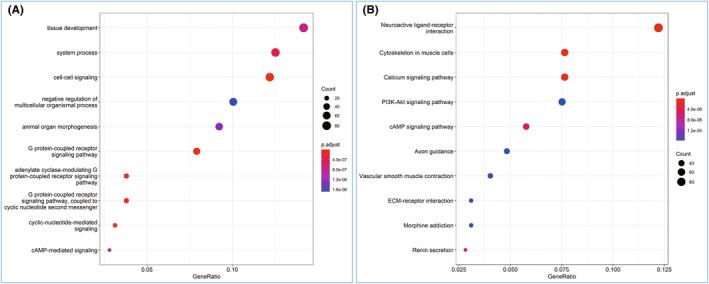
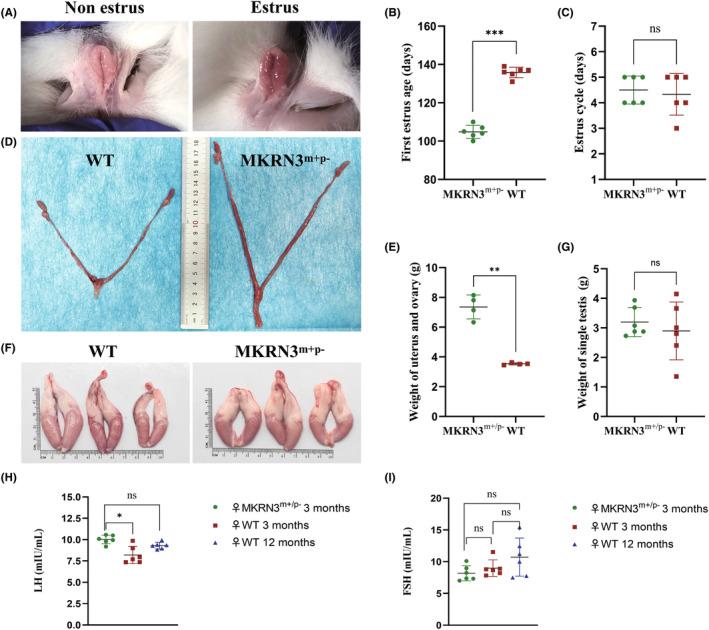
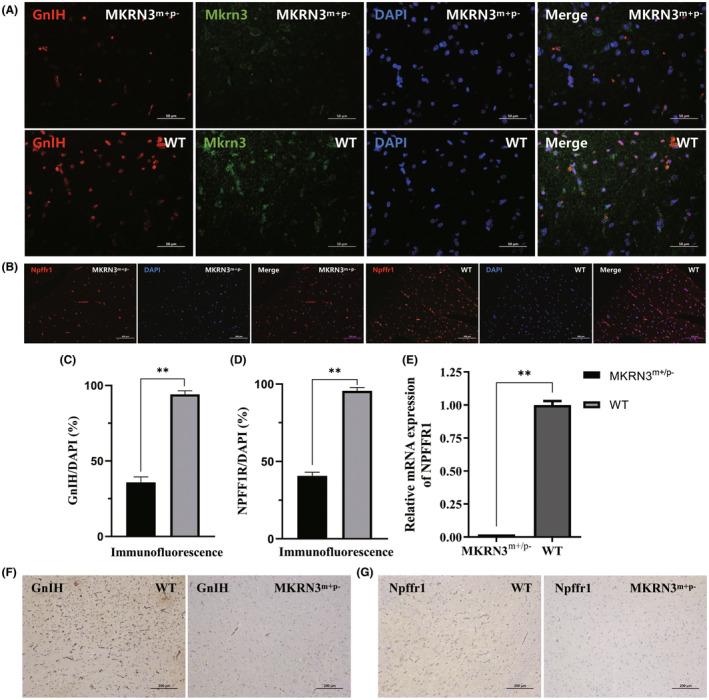
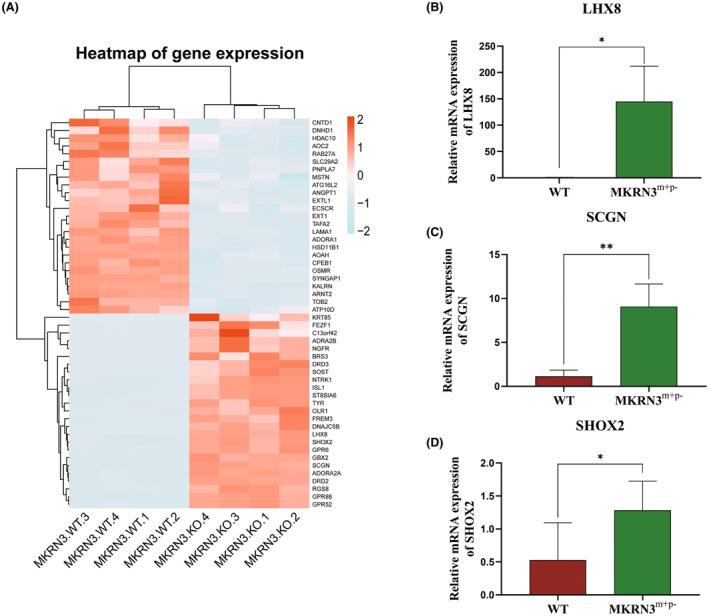
The first estrus of MKRN3-modified female rabbits was observed ~27 days earlier than that of wild-type female rabbits, with a typical CPP phenotype. This study found increased gonadotropin releasing hormone (GnRH) and decreased gonadotropin inhibiting hormone (GnIH) in the hypothalamus of the CPP rabbit model with MKRN3 gene mutation. Although this study failed to fully clarify the pathogenesis of CPP caused by MKRN3 mutation, it found some differentially expressed genes and potential pathways through transcriptome sequencing.
CONCLUSIONS
This study established a novel CPP model: paternal MKRN3 gene-modified rabbit. It is hoped that the establishment of this model will help researchers better understand, treat, and prevent CPP in the future.
背景
Makorin 环指蛋白 3 基因(MKRN3)突变是儿童中枢性性早熟(CPP)最常见的遗传原因。由于缺乏理想的 MKRN3 修饰动物模型(MKRN3 修饰小鼠仅比正常小鼠早 4 - 5 天进入青春期),相关研究受到限制。
方法
因此,利用 CRISPR(成簇规律间隔短回文重复序列)基因编辑技术培育出 MKRN3 修饰兔。对 MKRN3 修饰兔进行基因型鉴定和表型评估。
结果
观察到 MKRN3 修饰的雌性兔首次发情比野生型雌性兔早约 27 天,具有典型的 CPP 表型。本研究发现 MKRN3 基因突变的 CPP 兔模型下丘脑促性腺激素释放激素(GnRH)增加,促性腺激素抑制激素(GnIH)减少。尽管本研究未能完全阐明 MKRN3 突变导致 CPP 的发病机制,但通过转录组测序发现了一些差异表达基因和潜在途径。
结论
本研究建立了一种新型 CPP 模型:父本 MKRN3 基因修饰兔。希望该模型的建立将来能帮助研究人员更好地理解、治疗和预防 CPP。


 Zotero 插件