
青少年中的超重与肥胖:健康意识行为、接受程度及其父母的健康行为
Overweight and obesity among adolescents: health-conscious behaviours, acceptance, and the health behaviours of their parents.
作者信息
Lewandowska Anna, Rudzki Grzegorz, Lewandowski Tomasz, Bartosiewicz Anna, Próchnicki Michał, Stryjkowska-Góra Aleksandra, Laskowska Barbara, Sierpińska Małgorzata, Rudzki Sławomir, Pavlov Sergii
机构信息
Faculty of Healthcare, State Academy of Applied Sciences in Jaroslaw, Czarnieckiego Street 16, Jaroslaw, 37-500, Poland.
Faculty of Medical and Health Sciences, State Vocational University in Tarnobrzeg, Tarnobrzeg, Poland.
出版信息
BMC Public Health. 2025 Feb 2;25(1):418. doi: 10.1186/s12889-025-21591-0.
BACKGROUND
Obesity is a nutritional diseases, one of the most significant of the 21st century, that has grown to epidemic proportions. Overweight and obesity, once considered a problem in high-income countries, now affect low- and middle-income countries, especially in urban areas. Overweight and obesity rates among children and adolescents are constantly rising. The main cause of obesity and overweight is a lack of energetic balance between consumed and expended calories. Obesity in children is associated with an increased risk of non-communicable diseases, but in addition to somatic problems, it also causes negative psychosocial effects. The aim of the study was to analyse factors leading to overweight and obesity in young people and assess the impact of the health behaviours of parents on their children's health.
METHODS
A cross-sectional study was conducted per the Strengthening the Reporting of Observational Studies in Epidemiology (STROBE) guidelines. A convenience sampling method was used, and the study was conducted among adolescents with excess body weight and their parents, as well as adolescents with normal body weight. The study used a questionnaire, body mass index assessment, physical activity assessment, and a health behaviour inventory.
RESULTS
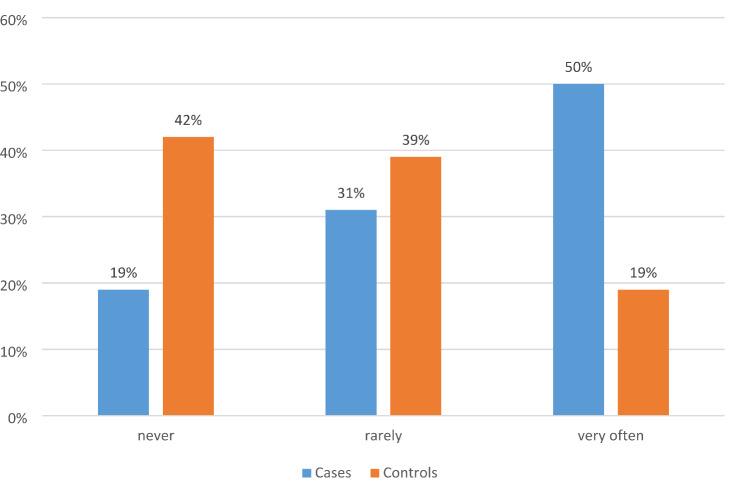
The study included 340 people, 170 with excess body weight, and 170 from the control group. The average age in the study group was 14.58 years, with a standard deviation of 2.72. The age of parents of children with excess body weight was between 20 and 50 years. Among parents of overweight or obese children, more than half were overweight (54%), and another 27% were obese. 41% of respondents with eating disorders assessed their knowledge of the causes, effects, and methods of preventing overweight and obesity as average. In the group of overweight or obese respondents, 84% prefer passive leisure time. People who are not overweight mostly accept their appearance (66%), while people with excess body mass do not accept their appearance (63%). The surveyed parents usually perceived their knowledge of proper nutrition as good (75%).
CONCLUSIONS
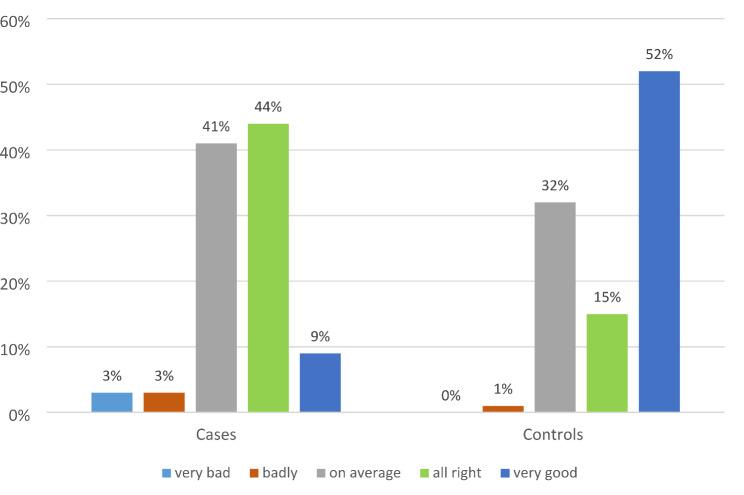
A relationship exists between normal weight, overweight or obesity, and a sense of happiness. The highest sense of happiness was reported by people who were not overweight.
背景
肥胖是一种营养疾病,是21世纪最严重的疾病之一,已发展到流行程度。超重和肥胖曾经被认为是高收入国家的问题,现在也影响到低收入和中等收入国家,尤其是在城市地区。儿童和青少年中的超重和肥胖率在不断上升。肥胖和超重的主要原因是摄入热量与消耗热量之间缺乏能量平衡。儿童肥胖与非传染性疾病风险增加有关,但除了身体问题外,还会产生负面的心理社会影响。本研究的目的是分析导致年轻人超重和肥胖的因素,并评估父母的健康行为对其子女健康的影响。
方法
按照加强流行病学观察性研究报告(STROBE)指南进行横断面研究。采用便利抽样方法,对体重超标青少年及其父母以及体重正常的青少年进行研究。该研究使用了问卷、体重指数评估、身体活动评估和健康行为量表。
结果
该研究共纳入340人,其中170人体重超标,170人来自对照组。研究组的平均年龄为14.58岁,标准差为2.72。体重超标儿童的父母年龄在20至50岁之间。在超重或肥胖儿童的父母中,超过一半超重(54%),另有27%肥胖。41%有饮食失调问题的受访者认为他们对超重和肥胖的原因、影响及预防方法的了解程度一般。在超重或肥胖的受访者中,84%更喜欢被动休闲时间。体重正常的人大多接受自己的外表(66%),而体重超标的人则不接受自己的外表(63%)。接受调查的父母通常认为他们对合理营养的了解程度良好(75%)。
结论
正常体重、超重或肥胖与幸福感之间存在关联。体重正常的人报告的幸福感最高。
 Zotero 插件