
一名12岁男孩的急性脑病与难治性低钾血症
Acute Encephalopathy and Refractory Hypokalemia in a 12-Year-Old Boy.
作者信息
Moosavian Toktam, Pournasiri Zahra, Fatollahierad Shiva
机构信息
Pediatric Neurology Department, Loghman Hakim Hospital, Shahid Beheshti University of Medical Sciences, Tehran, Iran.
Pediatric Nephrology Research Center, Research Institute for Children's Health, Shahid Beheshti University of Medical Sciences, Tehran, Iran.
出版信息
Iran J Child Neurol. 2025;19(1):107-112. doi: 10.22037/ijcn.v19i1.45350. Epub 2025 Jan 7.
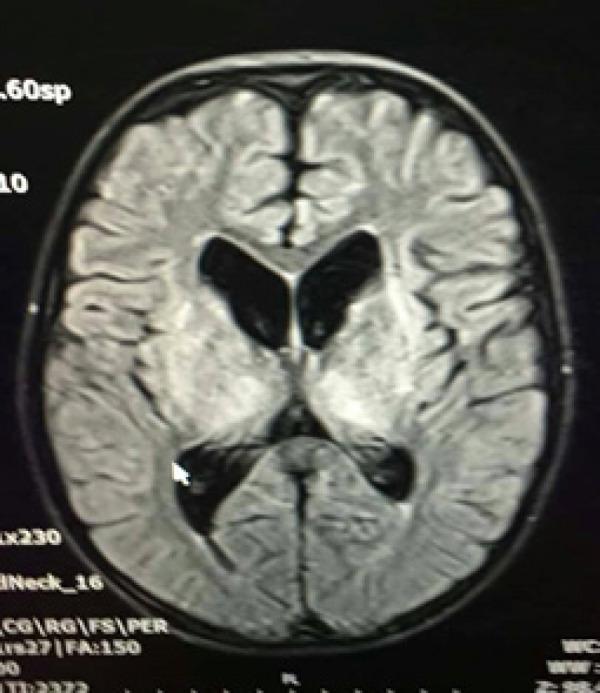
Wilson disease is an inherited disorder characterized by copper accumulation in various organs, leading to a wide range of clinical manifestations depending on the deposition site. Typically, symptoms of Wilson disease emerge between the ages of 5 and 35 years, primarily presenting with neurological and hepatic symptoms. This case report describes a 12-year-old boy diagnosed with Wilson disease based on low serum ceruloplasmin levels and elevated 24-hour urinary copper levels. His initial presentation included acute encephalopathy and tubulopathy with persistent hypokalemia. This case highlights the importance of a thorough evaluation, including neurological and renal assessments, to determine the underlying cause of acute encephalopathy, such as Wilson disease. Furthermore, this case shows that Wilson disease can manifest with neurological and kidney presentations despite a normal hepatic evaluation.
威尔逊病是一种遗传性疾病,其特征是铜在各个器官中蓄积,根据沉积部位的不同会导致广泛的临床表现。通常,威尔逊病的症状出现在5至35岁之间,主要表现为神经和肝脏症状。本病例报告描述了一名12岁男孩,根据血清铜蓝蛋白水平降低和24小时尿铜水平升高被诊断为威尔逊病。他最初的表现包括急性脑病和肾小管病伴持续性低钾血症。该病例强调了进行全面评估的重要性,包括神经和肾脏评估,以确定急性脑病的潜在病因,如威尔逊病。此外,该病例表明,尽管肝脏评估正常,但威尔逊病仍可表现为神经和肾脏症状。
 Zotero 插件