
γ辐射对玉米(Zea mays L.)的细胞遗传学影响及其对生长、产量和耐旱性的作用。
Cytogenetic impact of gamma radiation and its effects on growth, yield and drought tolerance of maize (Zea mays L.).
作者信息
Al-Sayed Walaa M, El-Shazly Hanaa H, El-Nahas Awatif I, Omran Ahmed A A
机构信息
Department of Biological and Geological Sciences, Faculty of Education, Ain Shams University, Cairo, Egypt.
出版信息
BMC Plant Biol. 2025 Feb 3;25(1):141. doi: 10.1186/s12870-025-06111-x.
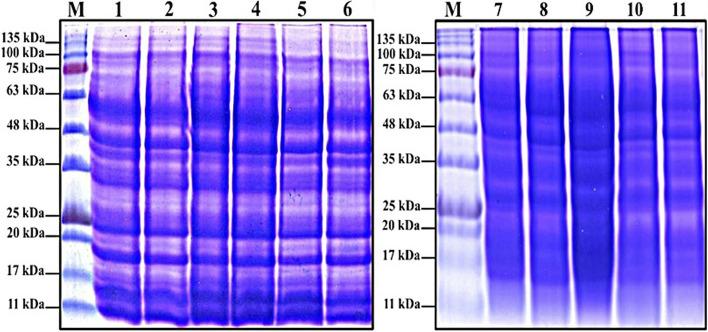
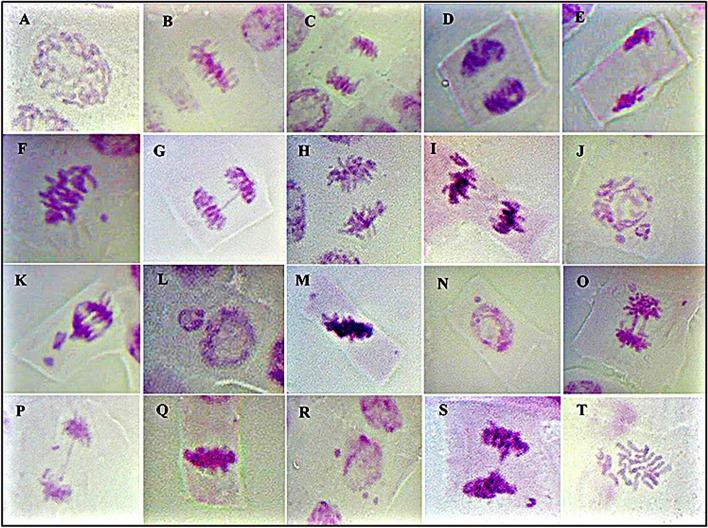
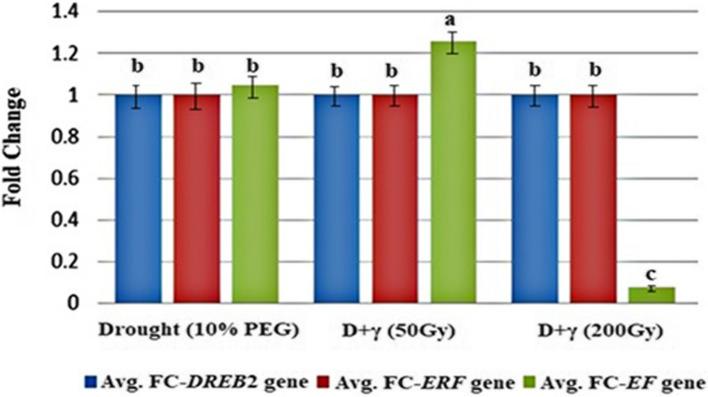
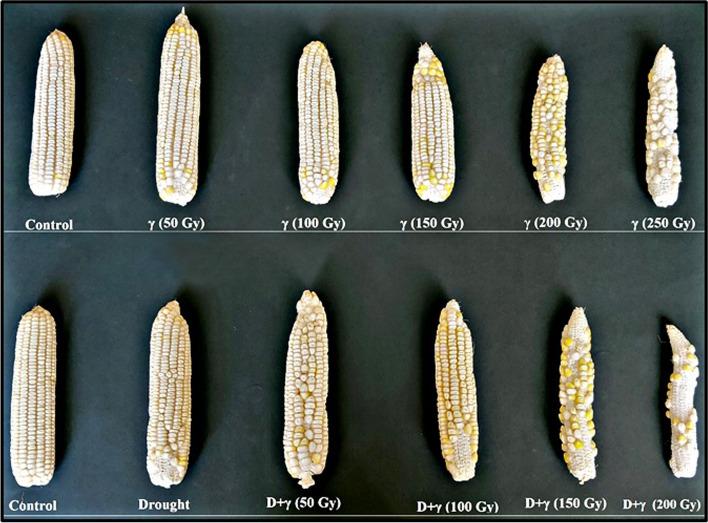
Maize is the third most important grain crop worldwide after wheat and rice; it is a vital global crop, serving as a key source of food, animal feed, and industrial products, making it essential for food security and economic stability in many countries. Drought stress adversely affects water uptake and can stunt growth, reducing the overall productivity of maize. So, this study was carried out to investigate the cytogenetic effects of gamma radiation and drought stress on maize SC131 genotype, focusing on chromosomal aberrations in seedling root meristems induced by varying doses of gamma irradiation (50, 100, 150, 200, and 250 Gray) and drought stress imposed by 10% polyethylene glycol (PEG). The present study also aims to evaluate the impact of these treatments on growth parameters under a controlled pot experiment. Additionally, molecular polymorphism induced by both gamma irradiation and drought stress was analyzed using Real-Time quantitative PCR techniques for DREB2, ERF, and EF transcription factors. Also, under a field condition experiment, maize plants were subjected to the same gamma irradiation doses and drought stress by reducing the number of irrigations, with subsequent evaluations of yield attributes to assess the overall impact of treatments on plant performance. The study also investigates the sodium dodecyl sulfate-polyacrylamide gel electrophoresis (SDS-PAGE) banding patterns of proteins in grains yielded under the influence of gamma radiation and drought treatments. Findings of the current investigation indicate that the low dose of gamma radiation (50 Gray) not only induces cytogenetic changes but also enhances drought tolerance and improves yield characteristics, suggesting that targeted gamma irradiation could serve as a viable strategy to bolster maize resilience in challenging environmental conditions.
玉米是全球第三重要的谷物作物,仅次于小麦和水稻;它是一种至关重要的全球性作物,是食物、动物饲料和工业产品的关键来源,对许多国家的粮食安全和经济稳定至关重要。干旱胁迫会对水分吸收产生不利影响,并可能阻碍生长,降低玉米的整体生产力。因此,本研究旨在调查γ辐射和干旱胁迫对玉米SC131基因型的细胞遗传学效应,重点关注不同剂量γ辐射(50、100、150、200和250格雷)以及10%聚乙二醇(PEG)施加的干旱胁迫诱导的幼苗根分生组织中的染色体畸变。本研究还旨在评估这些处理在受控盆栽试验下对生长参数的影响。此外,使用实时定量PCR技术分析了γ辐射和干旱胁迫诱导的DREB2、ERF和EF转录因子的分子多态性。另外,在田间条件试验中,通过减少灌溉次数,使玉米植株遭受相同剂量的γ辐射和干旱胁迫,随后对产量属性进行评估,以评估处理对植株性能的总体影响。该研究还调查了γ辐射和干旱处理影响下所产谷物中蛋白质的十二烷基硫酸钠-聚丙烯酰胺凝胶电泳(SDS-PAGE)条带模式。当前调查结果表明,低剂量γ辐射(50格雷)不仅会诱导细胞遗传学变化,还会增强耐旱性并改善产量特性,这表明有针对性的γ辐射可作为增强玉米在具有挑战性环境条件下恢复力的可行策略。

 Zotero 插件