
生殖系统癌症中的分子通路:聚焦前列腺癌和卵巢癌
Molecular pathways in reproductive cancers: a focus on prostate and ovarian cancer.
作者信息
Ajayi Ayodeji Folorunsho, Oyovwi Mega Obukohwo, Akano Oyedayo Phillips, Akanbi Grace Bosede, Adisa Florence Bukola
机构信息
Department of Physiology, Ladoke Akintola University of Technology, Ogbomoso, Oyo, Nigeria.
Anchor Biomed Research Institute, Ogbomoso, Oyo, Nigeria.
出版信息
Cancer Cell Int. 2025 Feb 3;25(1):33. doi: 10.1186/s12935-025-03658-5.
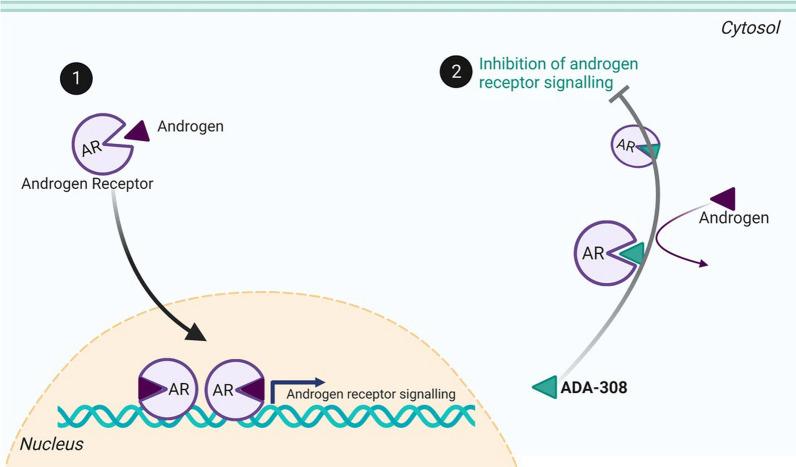
Reproductive cancers, including prostate and ovarian cancer, are highly prevalent worldwide and pose significant health challenges. The molecular underpinnings of these cancers are complex and involve dysregulation of various cellular pathways. Understanding these pathways is crucial for developing effective therapeutic strategies. This review aims to provide an overview of the molecular pathways implicated in prostate and ovarian cancers, highlighting key genetic alterations, signaling cascades, and epigenetic modifications. A comprehensive literature search was conducted using databases such as PubMed, Web of Science, and Google Scholar. Articles focusing on molecular pathways in prostate and ovarian cancer were reviewed and analyzed. In prostate cancer, recurrent mutations in genes like AR, TP53, and PTEN drive tumor growth and progression. Androgen signaling plays a significant role, with alterations in the AR pathway contributing to resistance to antiandrogen therapies. In ovarian cancer, high-grade serous carcinomas are characterized by mutations in TP53, BRCA1/2, and homologous recombination repair genes. PI3K and MAPK pathways are frequently activated, promoting cell proliferation and survival. Epigenetic alterations, including DNA methylation and histone modifications, are also prevalent in both cancer types. The molecular pathways involved in prostate and ovarian cancer are diverse and complex. Targeting these pathways with precision medicine approaches holds promise for improving patient outcomes. Further research is needed to elucidate the mechanisms of resistance and identify novel therapeutic vulnerabilities.
生殖系统癌症,包括前列腺癌和卵巢癌,在全球范围内高度流行,并带来重大的健康挑战。这些癌症的分子基础很复杂,涉及多种细胞通路的失调。了解这些通路对于制定有效的治疗策略至关重要。本综述旨在概述前列腺癌和卵巢癌所涉及的分子通路,重点介绍关键的基因改变、信号级联反应和表观遗传修饰。使用PubMed、Web of Science和谷歌学术等数据库进行了全面的文献检索。对关注前列腺癌和卵巢癌分子通路的文章进行了综述和分析。在前列腺癌中,AR、TP53和PTEN等基因的反复突变驱动肿瘤生长和进展。雄激素信号传导起着重要作用,AR通路的改变导致对抗雄激素治疗产生抗性。在卵巢癌中,高级别浆液性癌的特征是TP53、BRCA1/2和同源重组修复基因发生突变。PI3K和MAPK通路经常被激活,促进细胞增殖和存活。表观遗传改变,包括DNA甲基化和组蛋白修饰,在这两种癌症类型中也很普遍。前列腺癌和卵巢癌所涉及的分子通路多种多样且复杂。采用精准医学方法靶向这些通路有望改善患者的治疗效果。需要进一步研究以阐明抗性机制并确定新的治疗靶点。

 Zotero 插件