
基于活性氧的非侵入性疗法在癌症治疗中的应用及增强策略。
Applications and enhancement strategies of ROS-based non-invasive therapies in cancer treatment.
作者信息
Guo Qiuyan, Tang Yingnan, Wang Shengmei, Xia Xinhua
机构信息
School of Pharmacy, Hunan University of Chinese Medicine, Changsha, Hunan, 410208, China.
School of Pharmacy, Hunan Vocational College of Science And Technology, Changsha, Hunan, 410208, China.
出版信息
Redox Biol. 2025 Mar;80:103515. doi: 10.1016/j.redox.2025.103515. Epub 2025 Jan 28.
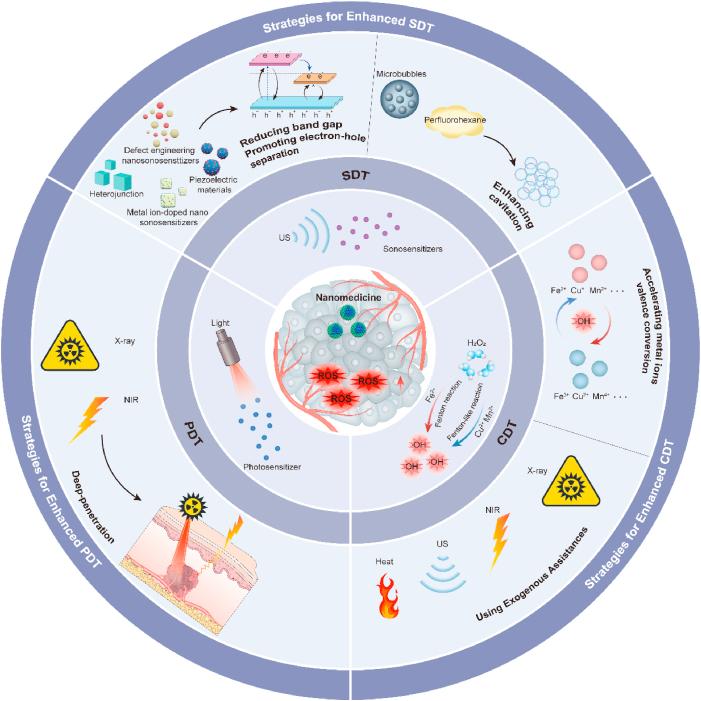
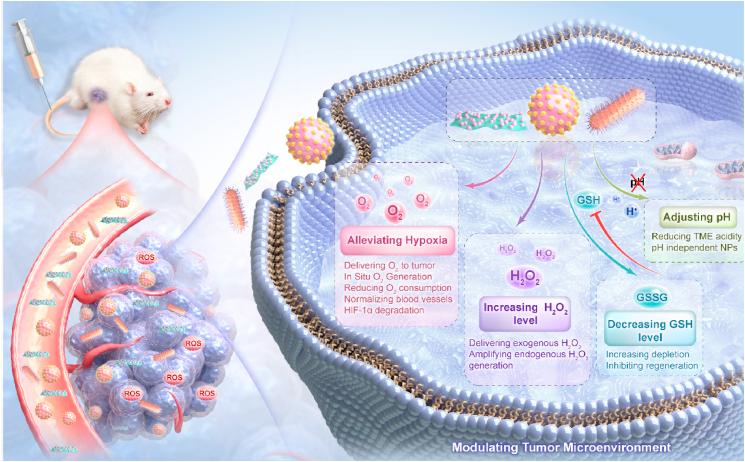
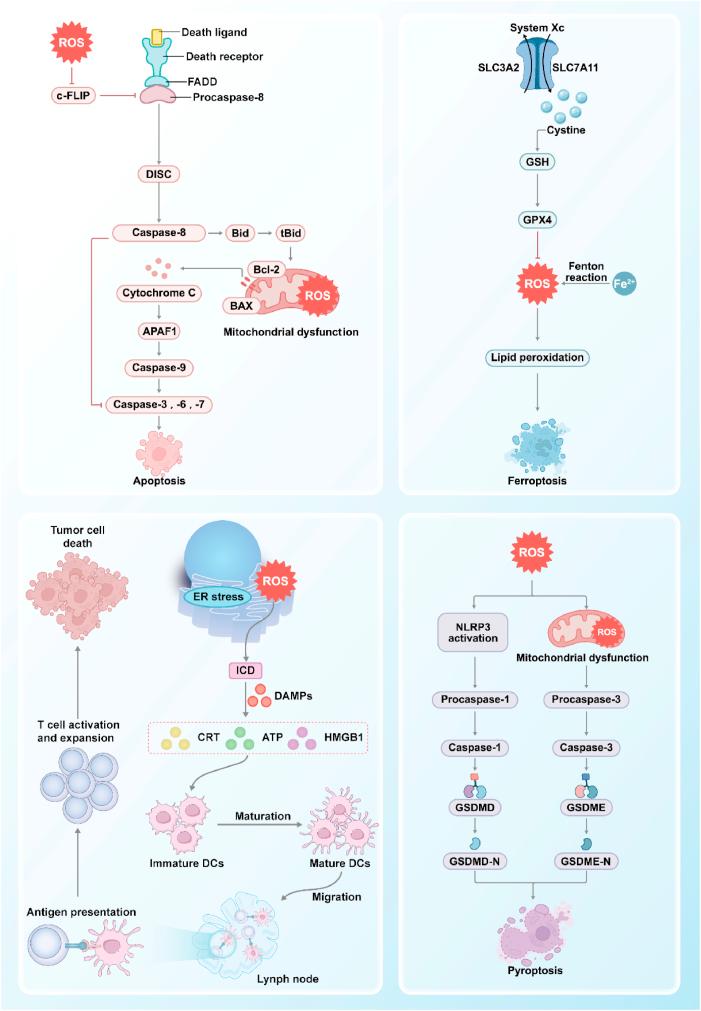
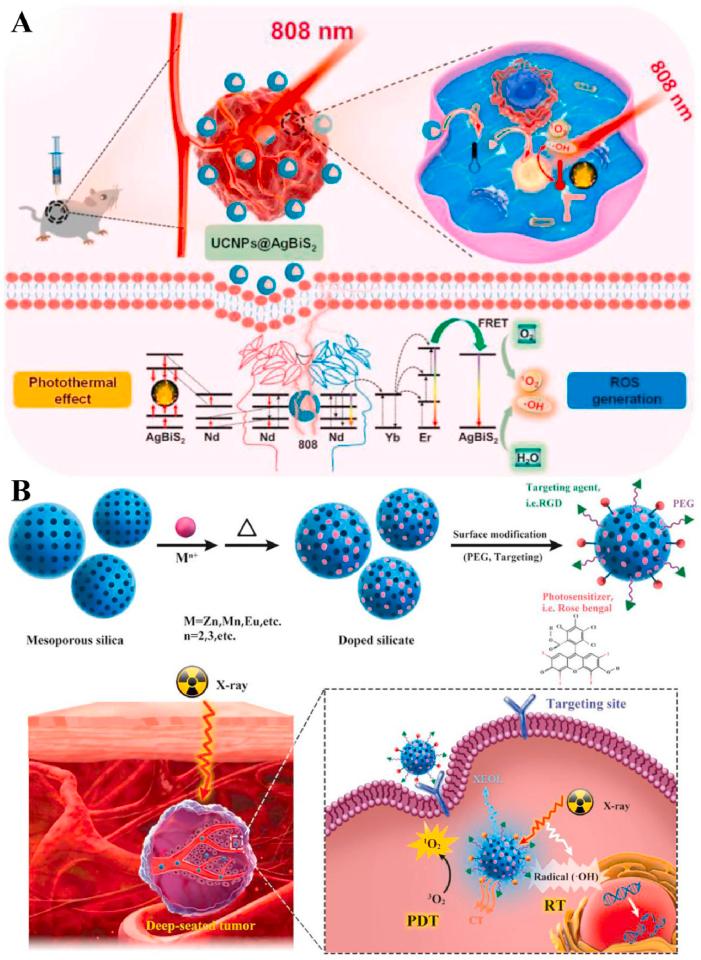
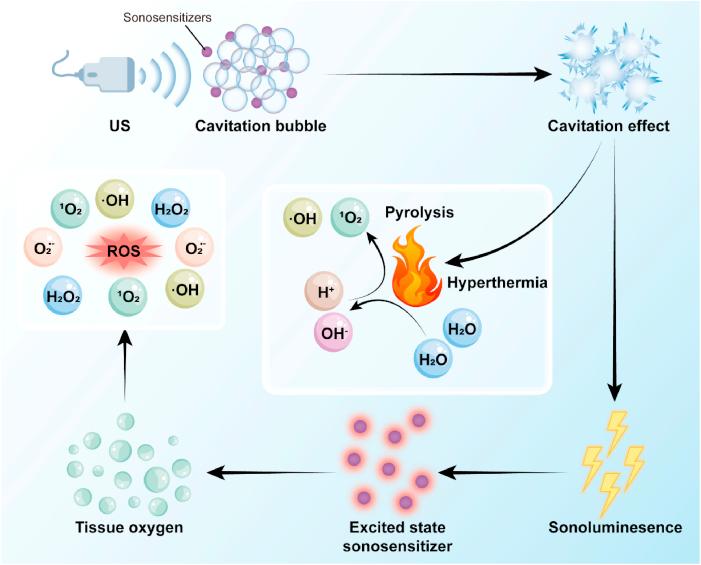
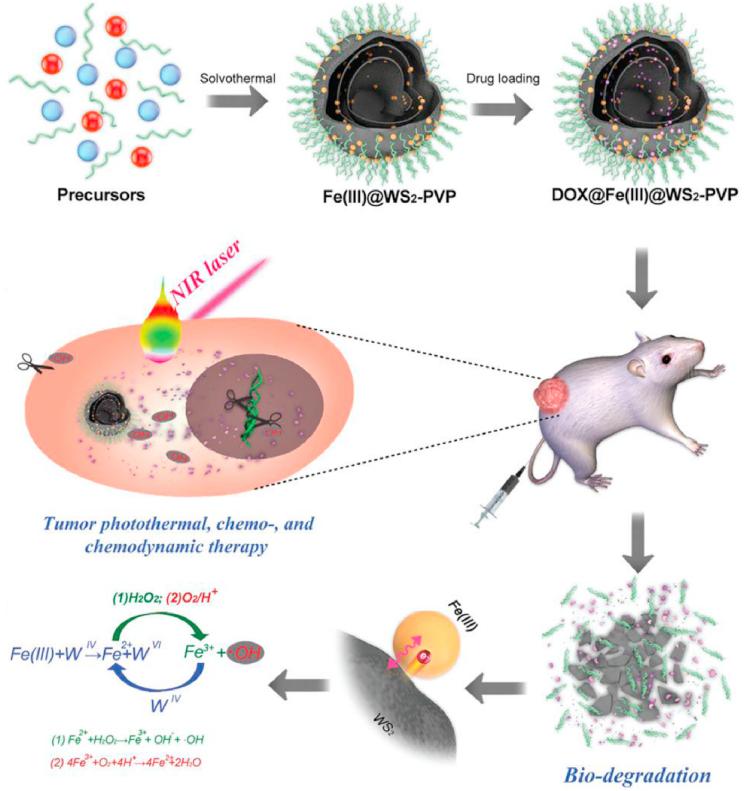
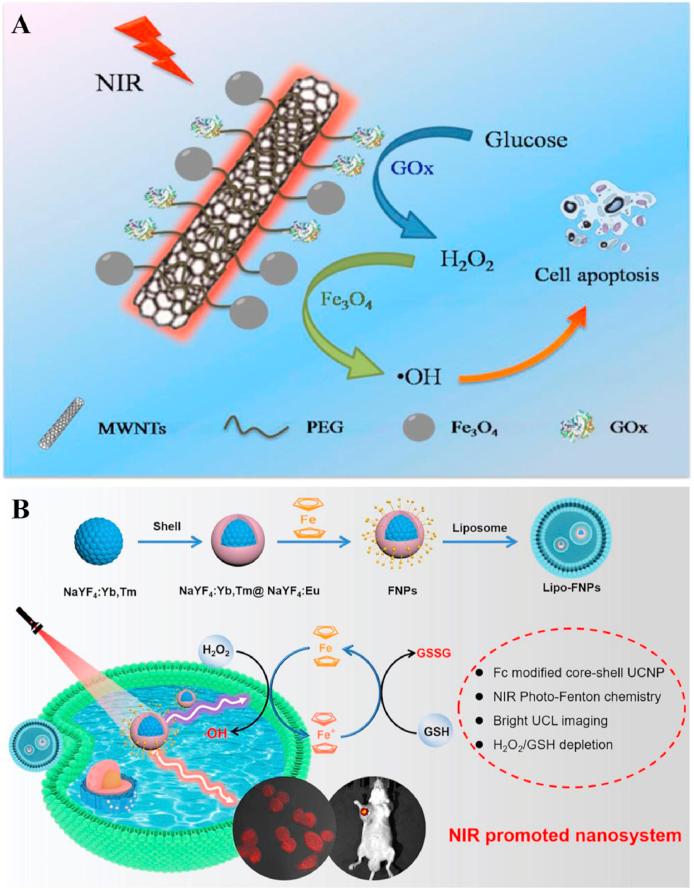
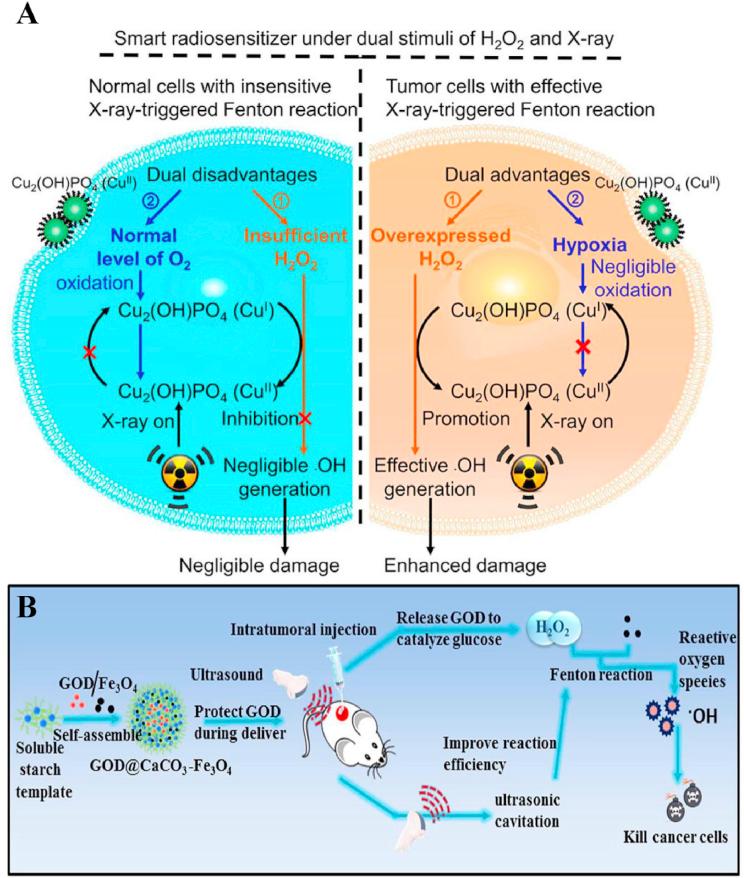
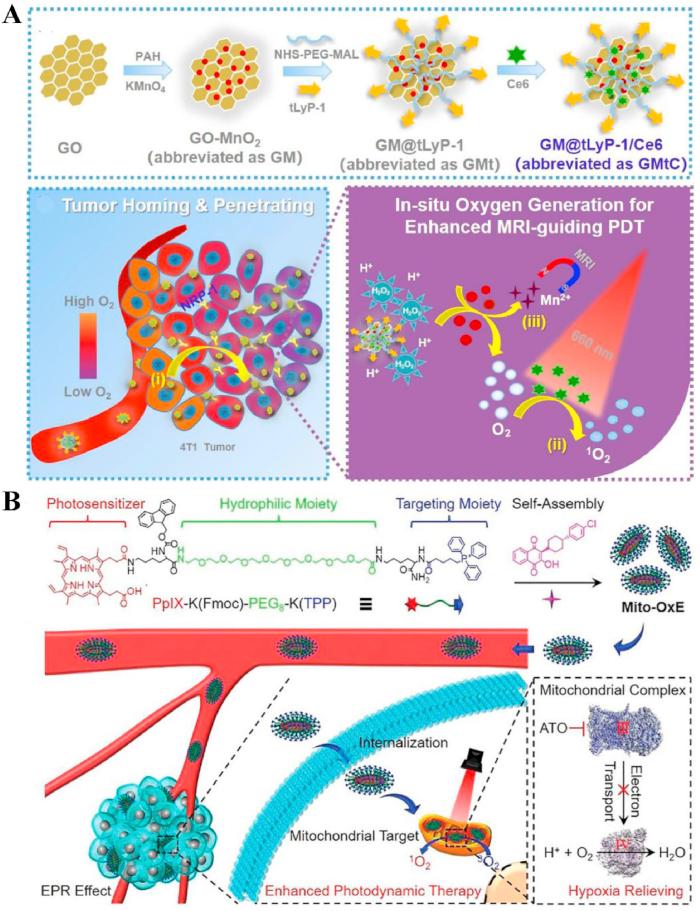
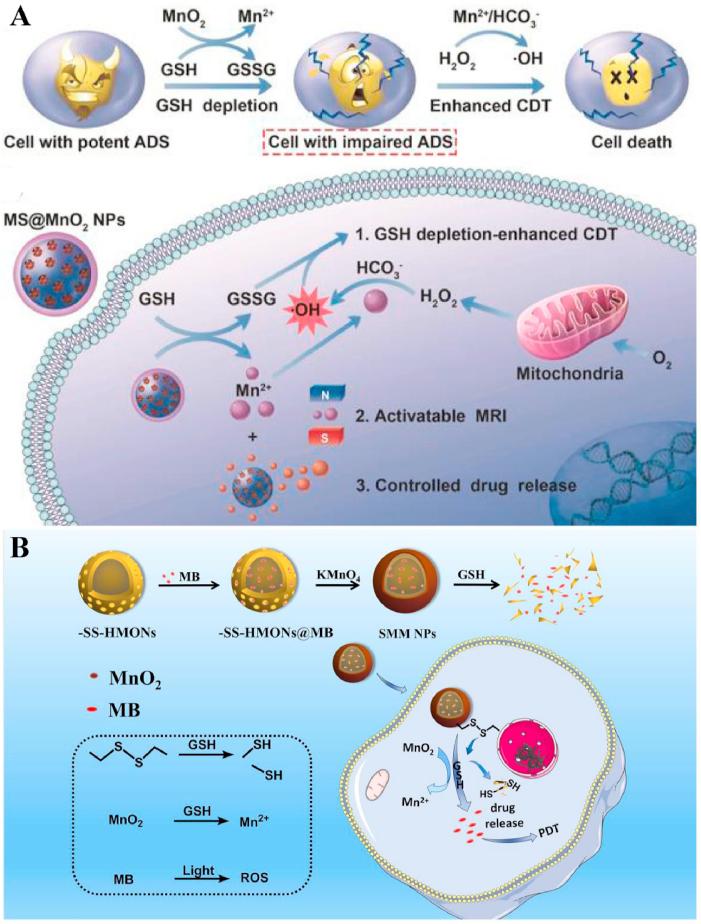
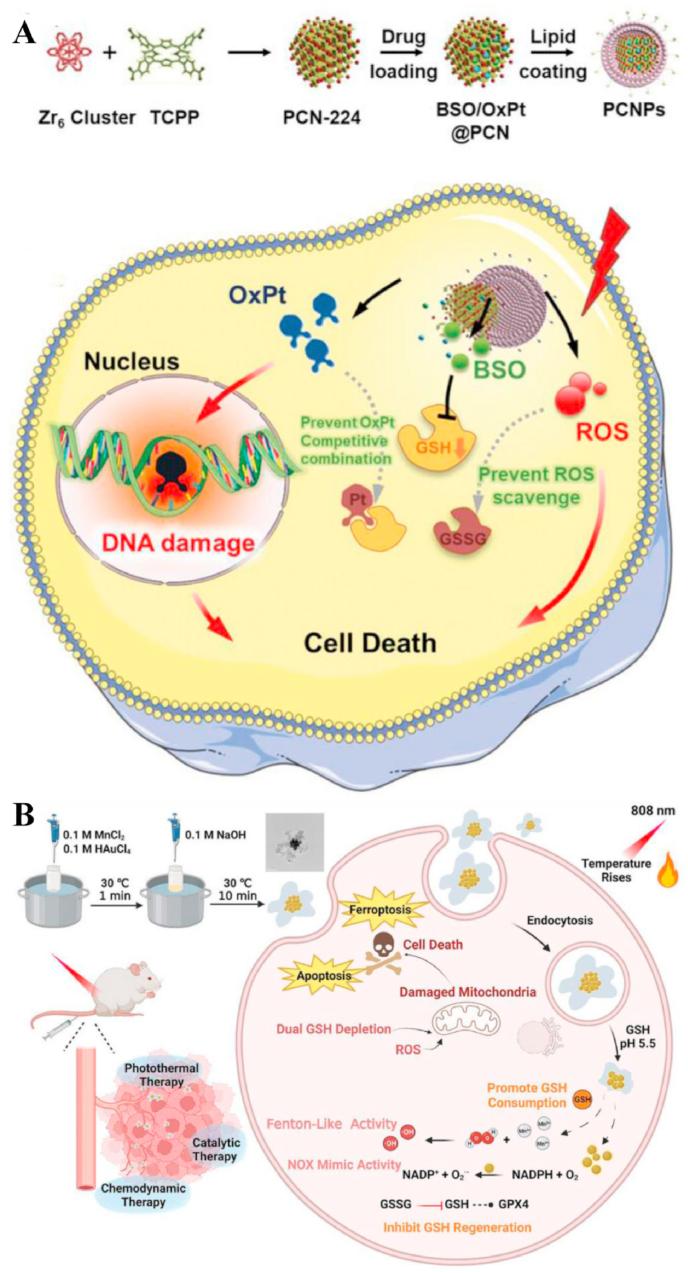
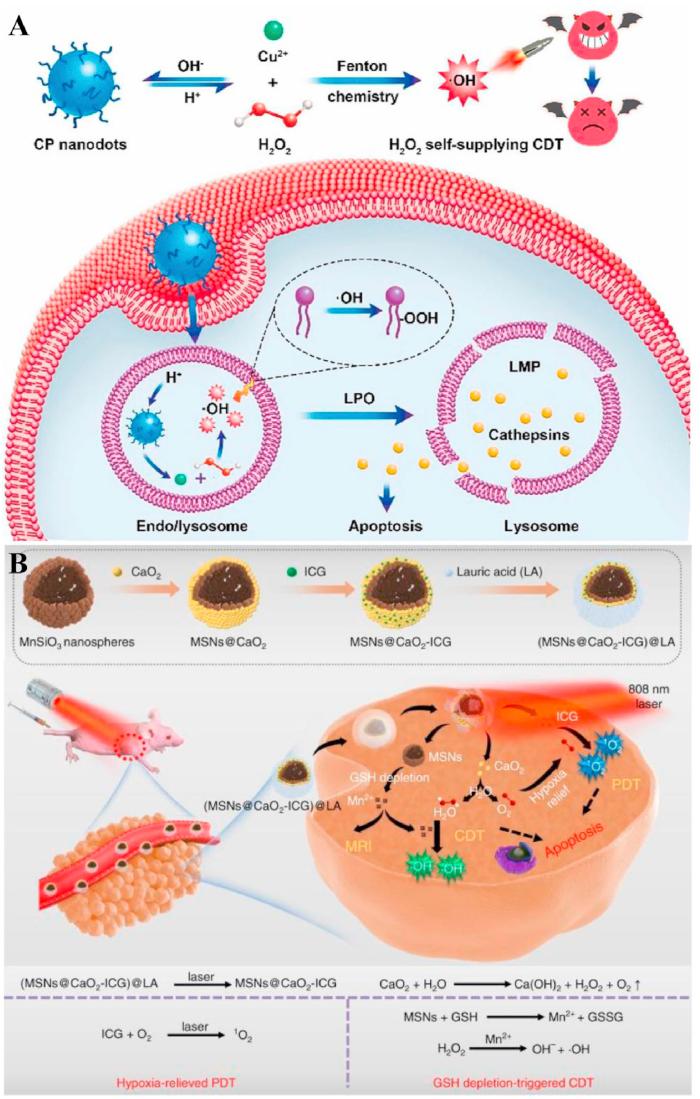
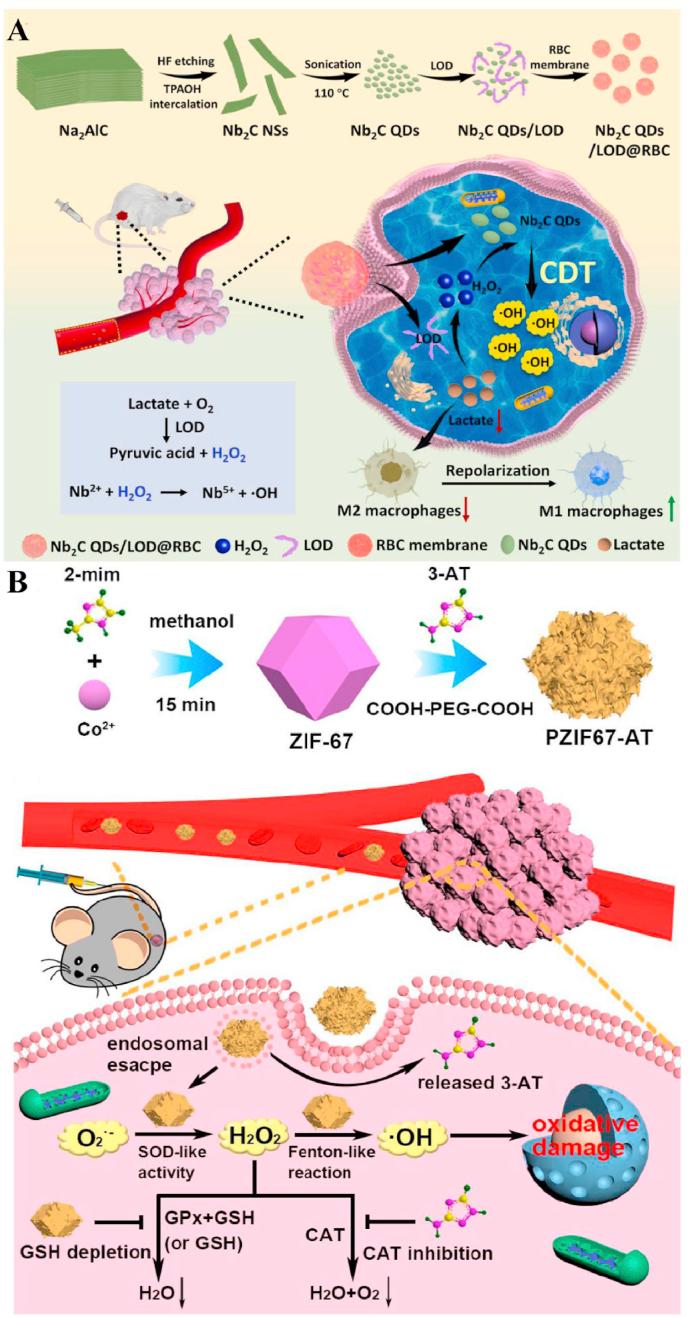
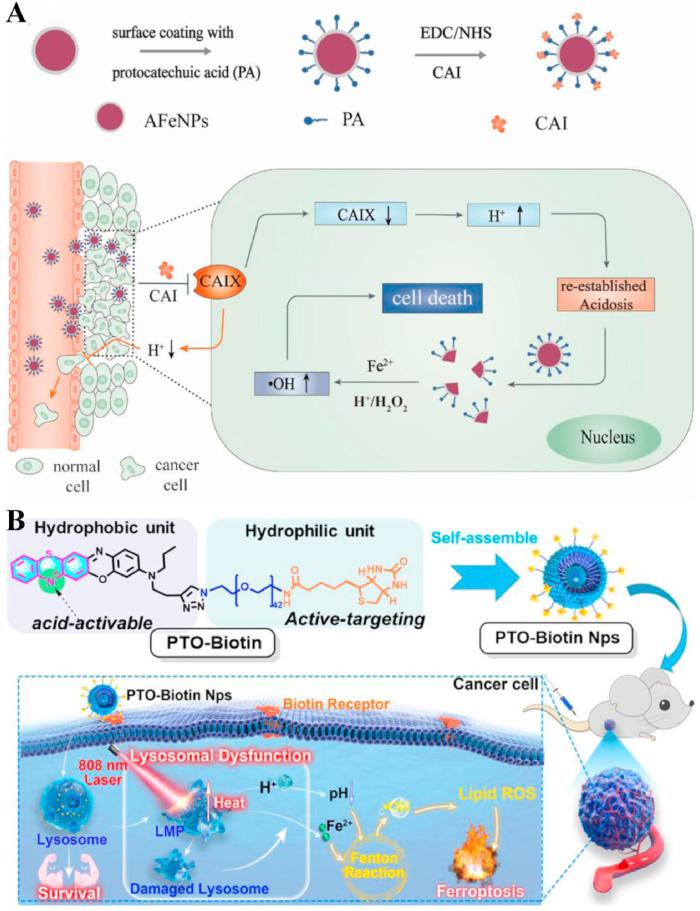
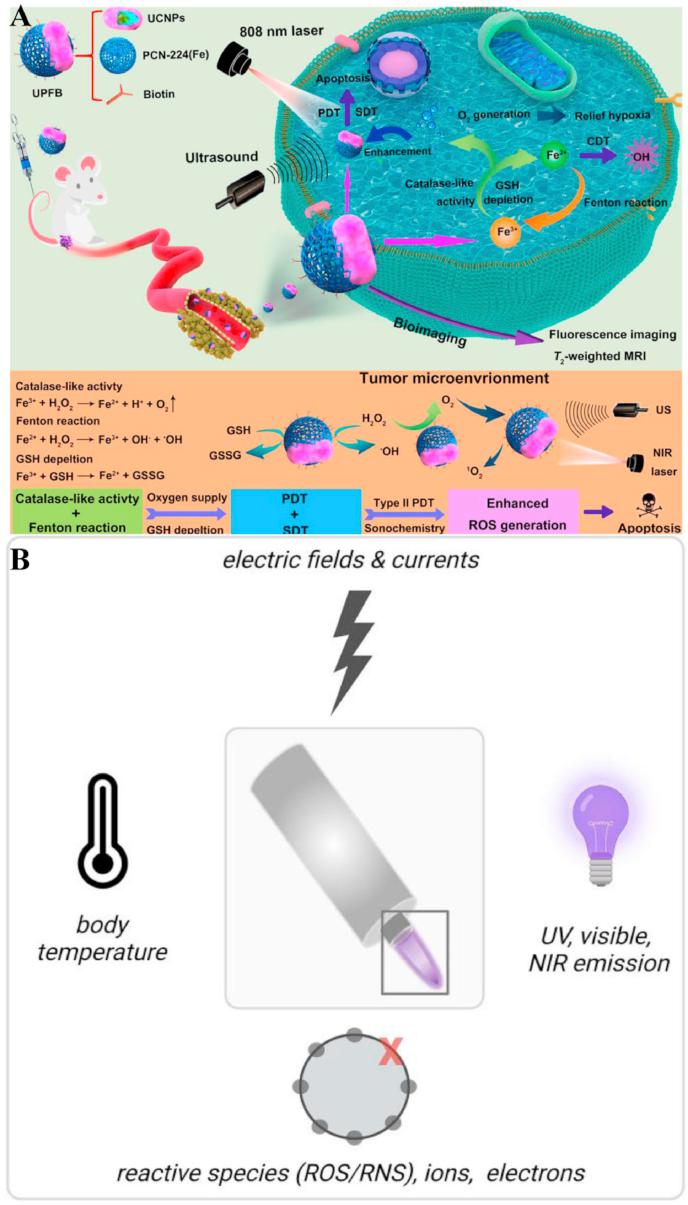
Reactive oxygen species (ROS) play a crucial role in the pathogenesis of cancer. Non-invasive therapies that promote intracellular ROS generation, including photodynamic therapy (PDT), sonodynamic therapy (SDT), and chemodynamic therapy (CDT), have emerged as novel approaches for cancer treatment. These therapies directly kill tumor cells by generating ROS, and although they show great promise in tumor treatment, many challenges remain to be addressed in practical applications. Firstly, the inherent complexity of the tumor microenvironment (TME), such as hypoxia and elevated glutathione (GSH) levels, hinders ROS generation, thereby significantly diminishing the efficacy of ROS-based therapies. In addition, these therapies are influenced by their intrinsic mechanisms. To overcome these limitations, various nanoparticle (NP) systems have been developed to improve the therapeutic efficacy of non-invasive therapies against tumors. This review first summarizes the mechanisms of ROS generation for each non-invasive therapy and their current limitations, with a particular focus on the enhancement strategies for each therapy based on NP systems. Additionally, various strategies to modulate the TME are highlighted. These strategies aim to amplify ROS generation in non-invasive therapies and enhance their anti-tumor efficiency. Finally, the current challenges and possible solutions for the clinical translation of ROS-based non-invasive therapies are also discussed.
活性氧(ROS)在癌症发病机制中起关键作用。促进细胞内ROS生成的非侵入性疗法,包括光动力疗法(PDT)、声动力疗法(SDT)和化学动力疗法(CDT),已成为癌症治疗的新方法。这些疗法通过产生活性氧直接杀死肿瘤细胞,尽管它们在肿瘤治疗中显示出巨大潜力,但在实际应用中仍有许多挑战有待解决。首先,肿瘤微环境(TME)的内在复杂性,如缺氧和谷胱甘肽(GSH)水平升高,会阻碍ROS的生成,从而显著降低基于ROS的疗法的疗效。此外,这些疗法还受其内在机制的影响。为克服这些限制,已开发出各种纳米颗粒(NP)系统以提高非侵入性肿瘤治疗的疗效。本综述首先总结了每种非侵入性疗法产生活性氧的机制及其当前局限性,特别关注基于NP系统的每种疗法的增强策略。此外,还重点介绍了调节肿瘤微环境的各种策略。这些策略旨在增强非侵入性疗法中的ROS生成并提高其抗肿瘤效率。最后,还讨论了基于ROS的非侵入性疗法临床转化的当前挑战和可能的解决方案。








 Zotero 插件