
油菜籽中N6-甲基腺苷(m6A)甲基化组的书写者、阅读者和擦除者:鉴定、分子进化及表达谱分析
Writers, readers, and erasers of N6-Methyladenosine (m6A) methylomes in oilseed rape: identification, molecular evolution, and expression profiling.
作者信息
Shan Chaofan, Dong Kui, Wen Dongyu, Ye Ziyi, Hu Fei, Zekraoui Meryem, Cao Jun
机构信息
School of Life Sciences, Jiangsu University, Zhenjiang, 212013, Jiangsu, China.
出版信息
BMC Plant Biol. 2025 Feb 4;25(1):147. doi: 10.1186/s12870-025-06127-3.
BACKGROUND
m6A RNA modifications are the most prevalent internal modifications in eukaryotic mRNAs and are crucial for plant growth and development, as well as for responses to biotic or abiotic stresses. The modification is catalyzed by writers, removed by erasers, and decoded by various m6A-binding proteins, which are readers. Brassica napus is a major oilseed crop. The dynamic regulation of m6A modifications by writers, erasers, and readers offers potential targets for improving the quality of this crop.
RESULTS
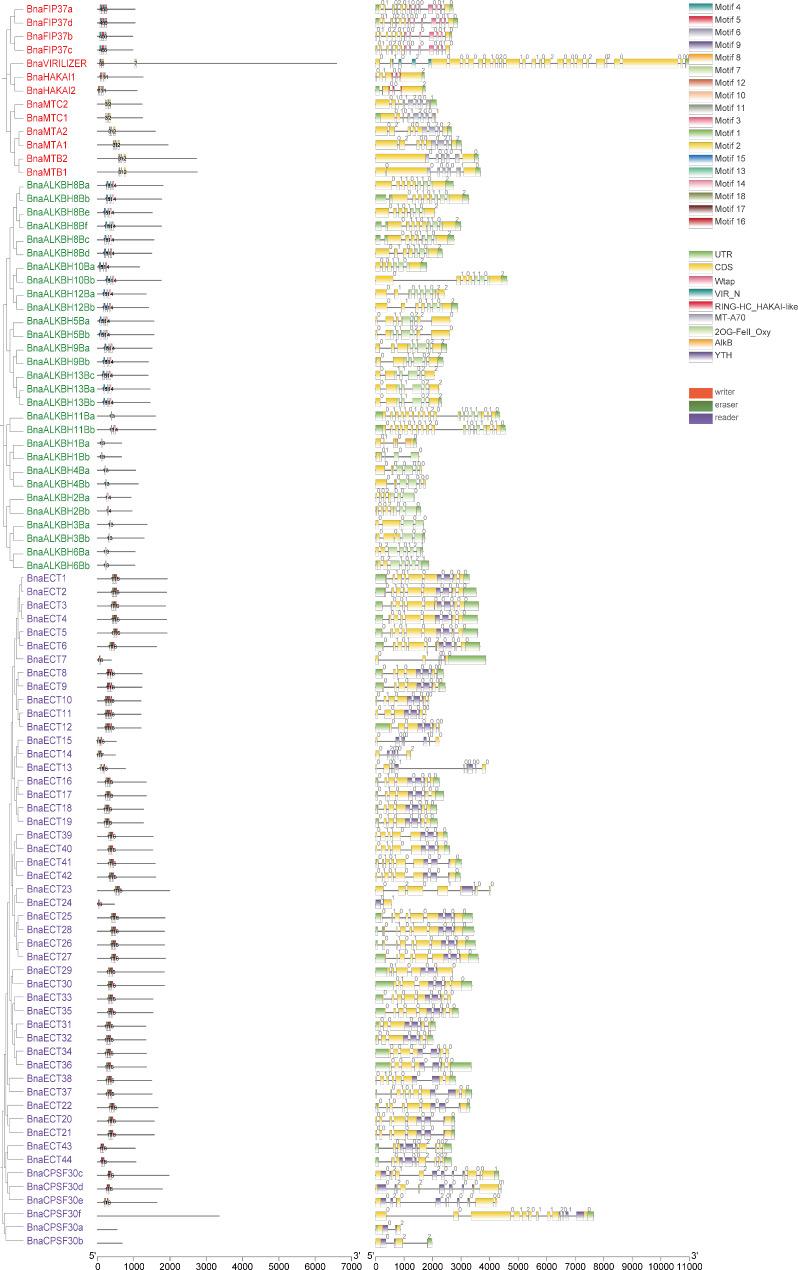
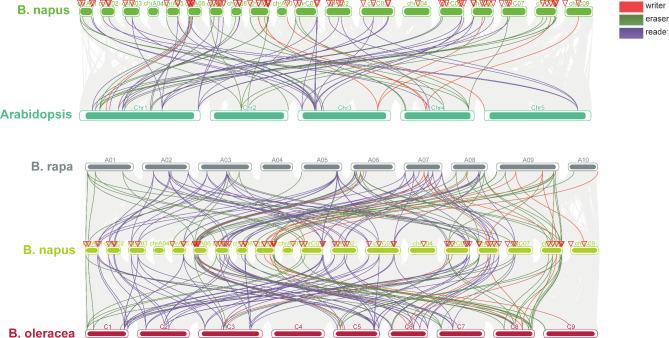
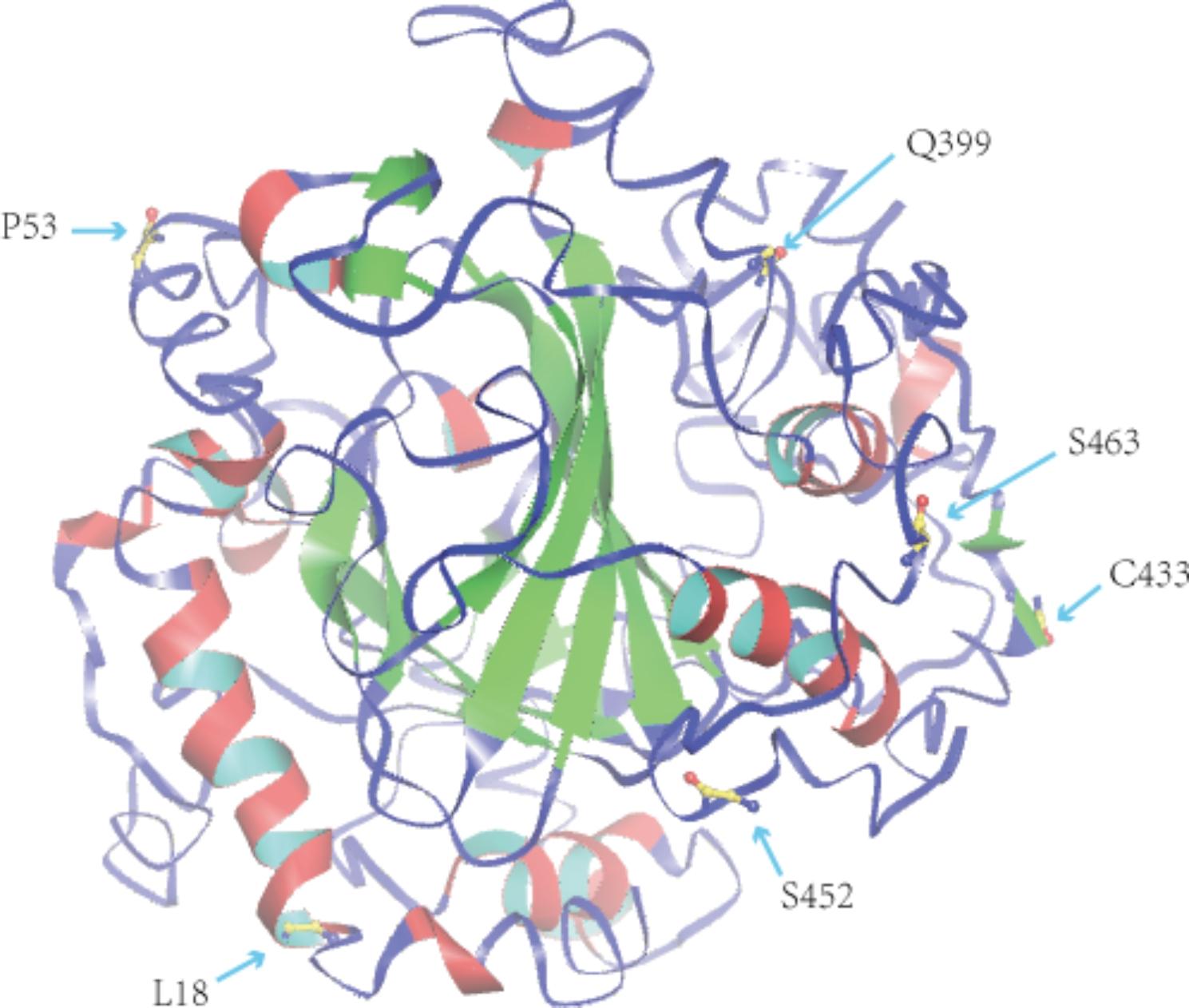
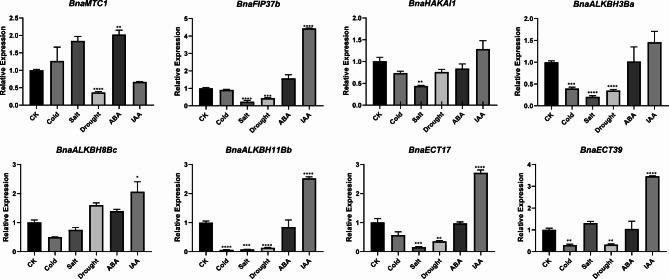
In this study, we identified 92 m6A-regulatory genes in B. napus, including 13 writers, 29 erasers, and 50 readers. A phylogenetic analysis revealed that they could be further divided into four, three, and two clades, respectively. The distribution of protein motifs and gene structures among members of the same clade exhibited notable similarity. During the course of evolution, whole genome duplication (WGD) and segmental duplication were the primary drivers of the expansion of m6A-related gene families. The genes were subjected to rigorous purification selection. Additionally, several sites under positive selection were identified in the proteins. RNA-seq and quantitative real-time PCR (qRT-PCR) expression analyses revealed that the identified Bnam6As exhibit tissue-specific expression patterns, as well as their expression patterns in response to various abiotic and biotic stresses. The 2000 bp sequence upstream of Bnam6As contained a number of cis-acting elements that regulate plant growth and environmental response. Furthermore, the protein interaction network revealed their interactions with a number of proteins of significant functional importance.
CONCLUSION
The identification of m6A modifiers in oilseed rape and their molecular evolution and expression profiling have revealed potential functions and molecular mechanisms of m6A, thus establishing a foundation for further functional validation and molecular breeding.
背景
m6A RNA修饰是真核生物mRNA中最普遍的内部修饰,对植物生长发育以及对生物或非生物胁迫的响应至关重要。这种修饰由“书写器”催化,由“擦除器”去除,并由各种m6A结合蛋白(即“读取器”)解码。甘蓝型油菜是一种主要的油料作物。“书写器”“擦除器”和“读取器”对m6A修饰的动态调控为改善这种作物的品质提供了潜在靶点。
结果
在本研究中,我们在甘蓝型油菜中鉴定出92个m6A调控基因,包括13个“书写器”、29个“擦除器”和50个“读取器”。系统发育分析表明,它们可分别进一步分为四个、三个和两个进化枝。同一进化枝成员之间的蛋白质基序分布和基因结构表现出显著相似性。在进化过程中,全基因组复制(WGD)和片段重复是m6A相关基因家族扩张的主要驱动力。这些基因经历了严格的纯化选择。此外,在蛋白质中鉴定出几个正选择位点。RNA测序和定量实时PCR(qRT-PCR)表达分析表明,鉴定出的Bnam6A呈现组织特异性表达模式,以及它们在响应各种非生物和生物胁迫时的表达模式。Bnam6A上游2000 bp序列包含许多调控植物生长和环境响应的顺式作用元件。此外,蛋白质相互作用网络揭示了它们与许多具有重要功能的蛋白质之间的相互作用。
结论
油菜中m6A修饰因子的鉴定及其分子进化和表达谱分析揭示了m6A的潜在功能和分子机制,从而为进一步的功能验证和分子育种奠定了基础。





 Zotero 插件