
重复经颅磁刺激对神经心理障碍中肿瘤坏死因子α的影响:一项系统评价和荟萃分析
Effects of Repetitive Transcranial Magnetic Stimulation on Tumor Necrosis Factor Alpha in Neuropsychological Disorders: A Systematic Review and Meta-Analysis.
作者信息
Asadizeidabadi Arya, Hosseini Seyedmohammadamin, Pyatkov Artem
机构信息
Universal Scientific Education and Research Network (USERN), Tehran, Iran.
Sechenov University, Moscow, Russia.
出版信息
Brain Behav. 2025 Feb;15(2):e70329. doi: 10.1002/brb3.70329.
INTRODUCTION
Repetitive transcranial magnetic stimulation (rTMS) shows promise in treating neuropsychological disorders. This systematic review and meta-analysis investigated the effects of rTMS on inflammatory cytokines and brain-derived neurotrophic factor (BDNF) under these conditions.
METHOD
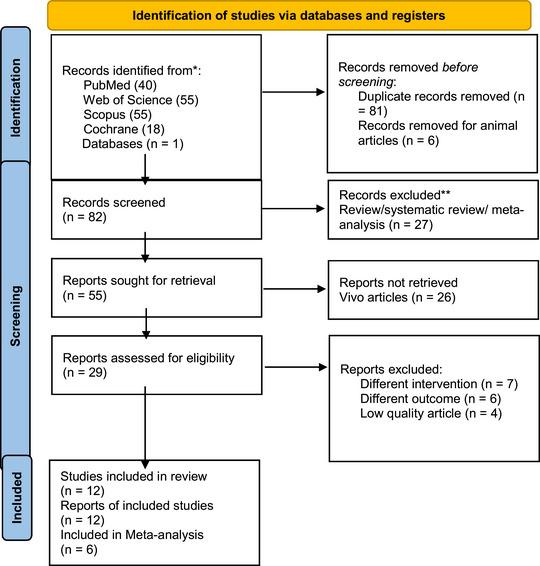
We searched five electronic databases for relevant studies. Twelve studies (six randomized controlled trials [RCTs] and six cohort studies) were included in the systematic review, with six RCTs included in the meta-analysis. The primary outcome was tumor necrosis factor-alpha (TNF-α) levels, with secondary outcomes including interleukin-6 (IL-6), interleukin-1 beta (IL-1β), high-sensitivity C-reactive protein (hs-CRP), interferon-gamma (IFN-γ), and BDNF.
RESULTS
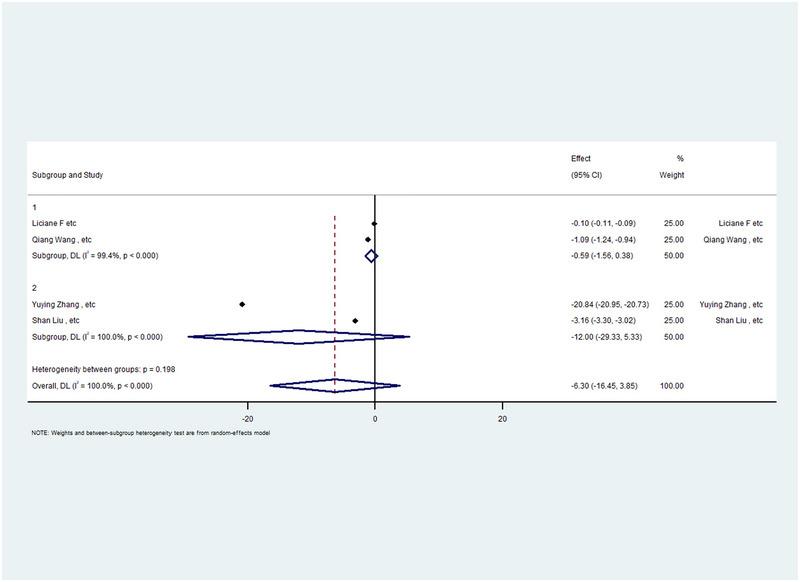
Meta-analysis revealed a significant decrease in TNF-α levels after rTMS (weighted mean difference [WMD]: -6.65, 95% confidence interval [CI]: -10.47-2.83, p < 0.05), with greater effects associated with longer interventions. No significant change was found in the IL-6 levels. BDNF levels increased significantly (WMD: 7.97, 95% CI: 2.8-13.15, p < 0.05). Qualitative synthesis indicated consistent reductions in IL-1β. High heterogeneity was observed in some analyses.
CONCLUSION
rTMS may exert therapeutic effects on neuropsychological disorders partly through modulating neuroinflammation and promoting neuroplasticity. However, high heterogeneity and study limitations necessitate larger, more standardized clinical trials to confirm these effects and explore their clinical significance.
引言
重复经颅磁刺激(rTMS)在治疗神经心理障碍方面显示出前景。本系统评价和荟萃分析研究了在这些情况下rTMS对炎性细胞因子和脑源性神经营养因子(BDNF)的影响。
方法
我们在五个电子数据库中检索相关研究。系统评价纳入了12项研究(6项随机对照试验[RCT]和6项队列研究),荟萃分析纳入了6项RCT。主要结局是肿瘤坏死因子-α(TNF-α)水平,次要结局包括白细胞介素-6(IL-6)、白细胞介素-1β(IL-1β)、高敏C反应蛋白(hs-CRP)、干扰素-γ(IFN-γ)和BDNF。
结果
荟萃分析显示rTMS后TNF-α水平显著降低(加权平均差[WMD]:-6.65,95%置信区间[CI]:-10.47 - 2.83,p < 0.05),干预时间越长效果越显著。IL-6水平未发现显著变化。BDNF水平显著升高(WMD:7.97,95%CI:2.8 - 13.15,p < 0.05)。定性综合分析表明IL-1β持续降低。在一些分析中观察到高度异质性。
结论
rTMS可能部分通过调节神经炎症和促进神经可塑性对神经心理障碍发挥治疗作用。然而,高度异质性和研究局限性需要更大规模、更标准化的临床试验来证实这些作用并探索其临床意义。



 Zotero 插件