
创伤性脑损伤的斑马鱼幼虫模型:优化神经创伤剂量以发现治疗方法和病因。
A larval zebrafish model of traumatic brain injury: optimizing the dose of neurotrauma for discovery of treatments and aetiology.
作者信息
Locskai Laszlo F, Gill Taylor, Tan Samantha A W, Burton Alexander H, Alyenbaawi Hadeel, Burton Edward A, Allison W Ted
机构信息
Department of Biological Sciences, University of Alberta, Edmonton AB, T6G 2E9, Canada.
Centre for Prions & Protein Folding Disease, University of Alberta, Edmonton AB, T6G 2M8, Canada.
出版信息
Biol Open. 2025 Feb 15;14(2). doi: 10.1242/bio.060601. Epub 2025 Feb 12.
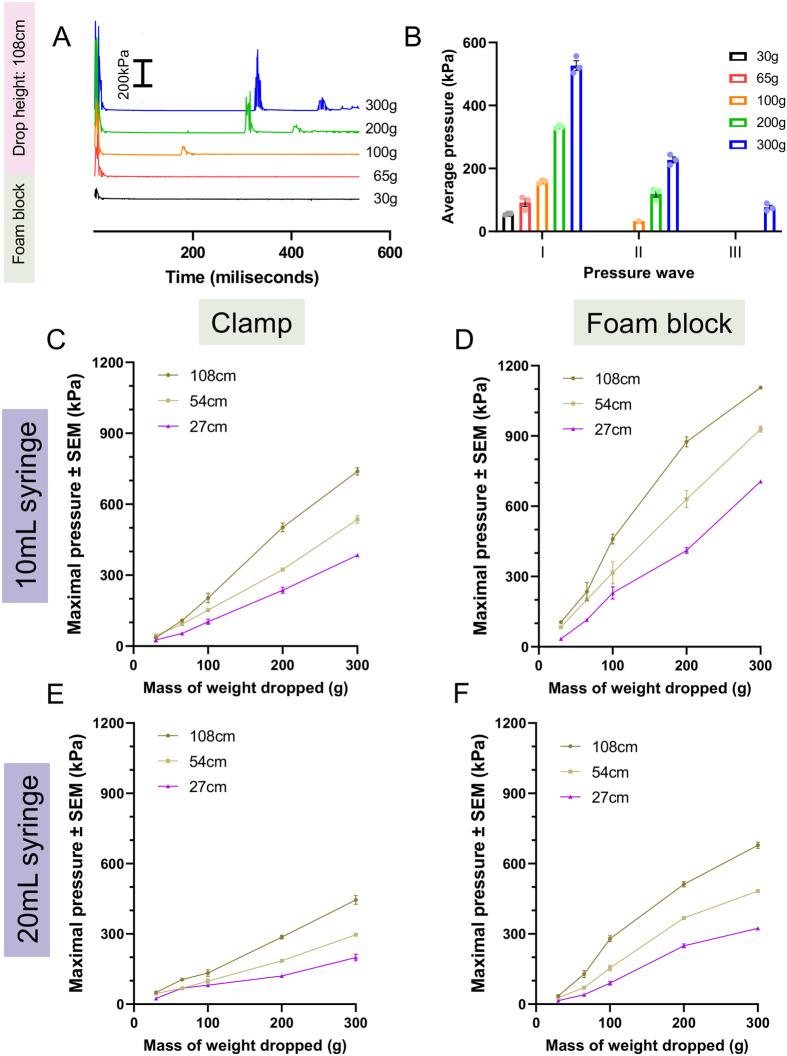
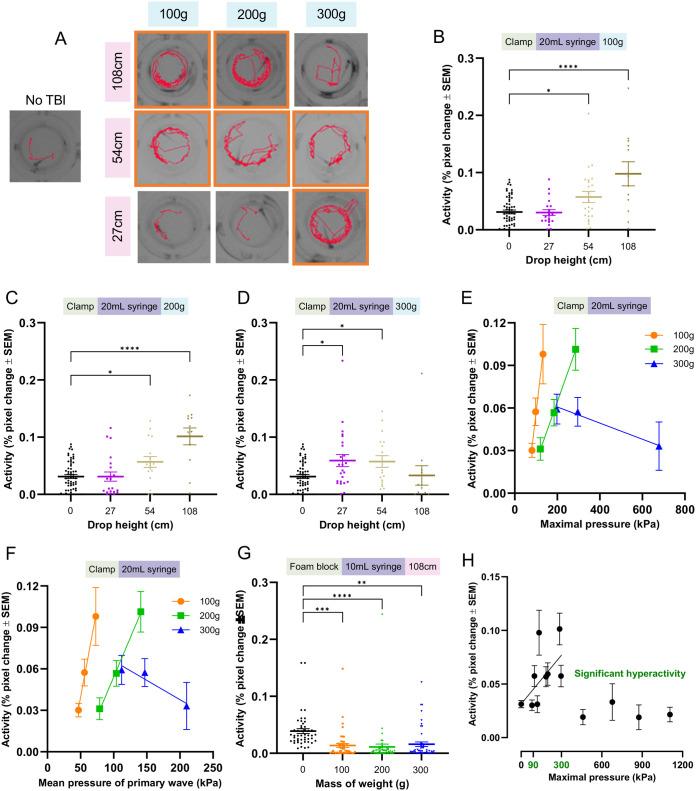
Traumatic brain injuries (TBI) are diverse with heterogeneous injury pathologies, which creates challenges for the clinical treatment and prevention of secondary pathologies such as post-traumatic epilepsy and subsequent dementias. To develop pharmacological strategies that treat TBI and prevent complications, animal models must capture the spectrum of TBI severity to better understand pathophysiological events that occur during and after injury. To address such issues, we improved upon our recent larval zebrafish TBI paradigm emphasizing titrating to different injury levels. We observed coordination between an increase in injury level and clinically relevant injury phenotypes including post-traumatic seizures (PTS) and tau aggregation. This preclinical TBI model is simple to implement, allows dosing of injury levels to model diverse pathologies, and can be scaled to medium- or high-throughput screening.
创伤性脑损伤(TBI)具有多种不同的损伤病理,这给创伤后癫痫和后续痴呆症等继发性病变的临床治疗和预防带来了挑战。为了开发治疗TBI并预防并发症的药理学策略,动物模型必须涵盖TBI严重程度的范围,以便更好地理解损伤期间和之后发生的病理生理事件。为了解决此类问题,我们改进了我们最近的幼体斑马鱼TBI模型,强调将损伤程度滴定至不同水平。我们观察到损伤程度增加与包括创伤后癫痫发作(PTS)和tau蛋白聚集在内的临床相关损伤表型之间存在相关性。这种临床前TBI模型易于实施,允许对损伤程度进行定量以模拟多种病变,并且可以扩展到中高通量筛选。



 Zotero 插件