
罗勒和肉桂精油对羟基磷灰石增强胶原蛋白生物活性海绵复合材料的影响。
The Influence of Basil and Cinnamon Essential Oils on Bioactive Sponge Composites of Collagen Reinforced with Hydroxyapatite.
作者信息
Robu Alina, Kaya Madalina Georgiana Albu, Antoniac Aurora, Kaya Durmuș Alpaslan, Coman Alina Elena, Marin Maria-Minodora, Ciocoiu Robert, Constantinescu Rodica Roxana, Antoniac Iulian
机构信息
Faculty of Materials Science and Engineering, National University of Science and Technology Politehnica, 060042 Bucharest, Romania.
National Research and Development Institute for Textiles and Leather, Collagen Department, 93 Ion Minulescu, 031215 Bucharest, Romania.
出版信息
Materials (Basel). 2025 Jan 30;18(3):626. doi: 10.3390/ma18030626.
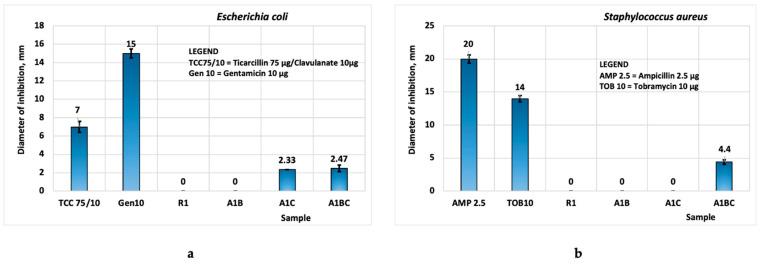
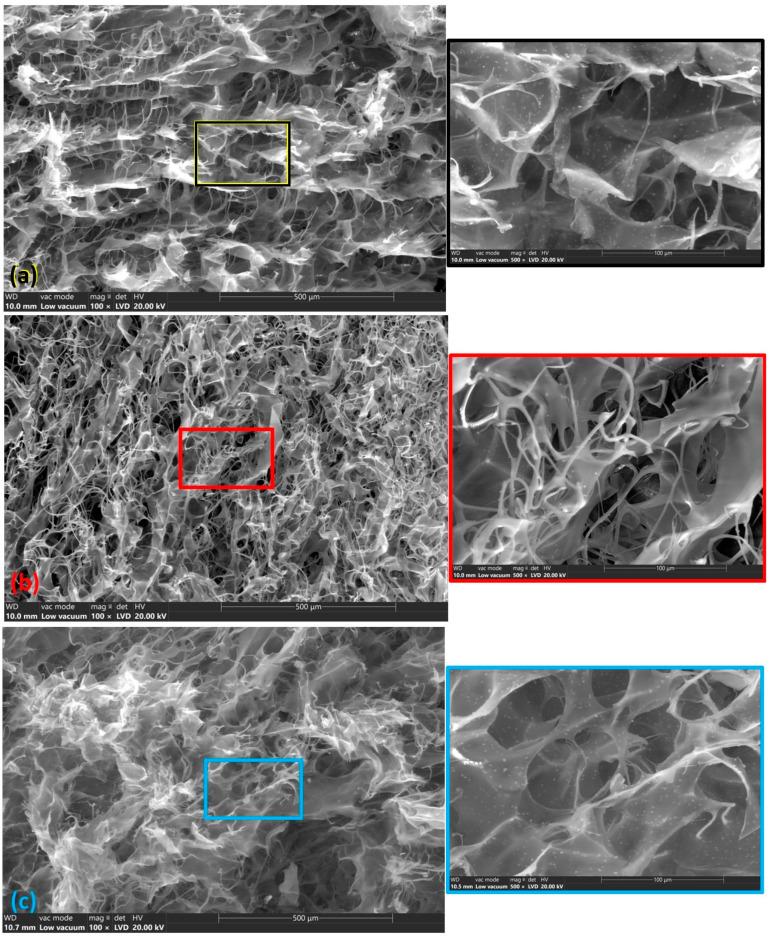
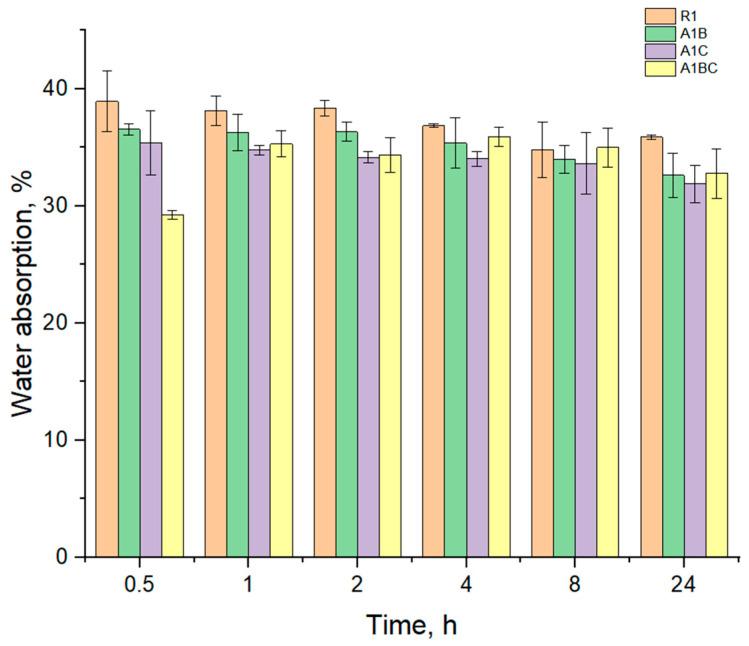
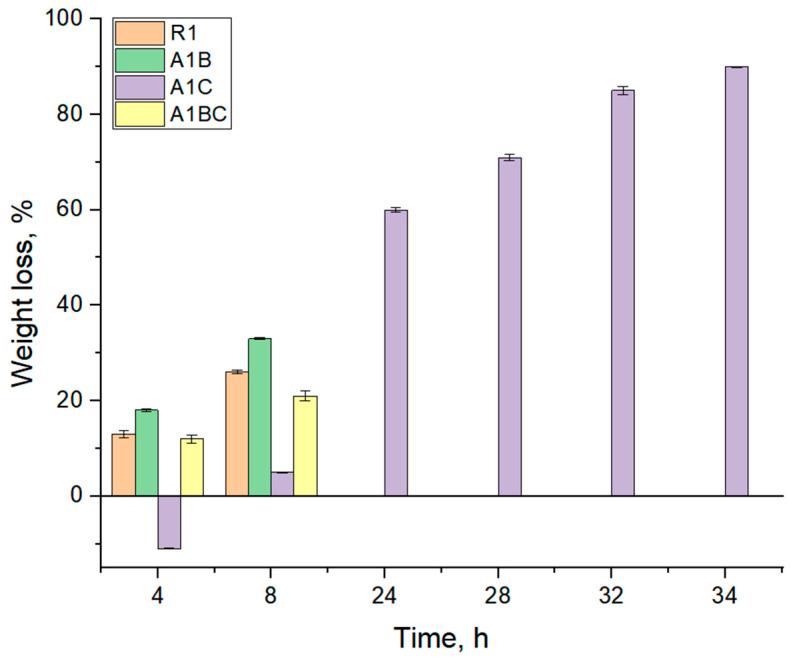
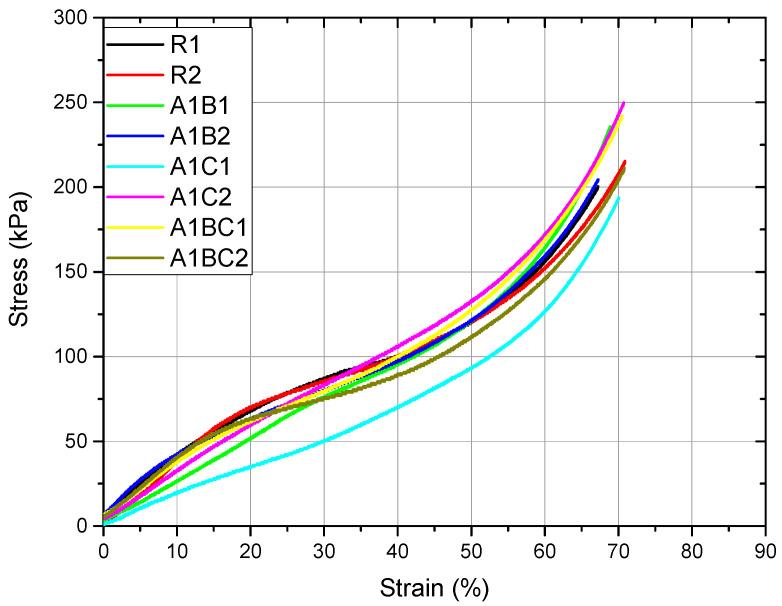
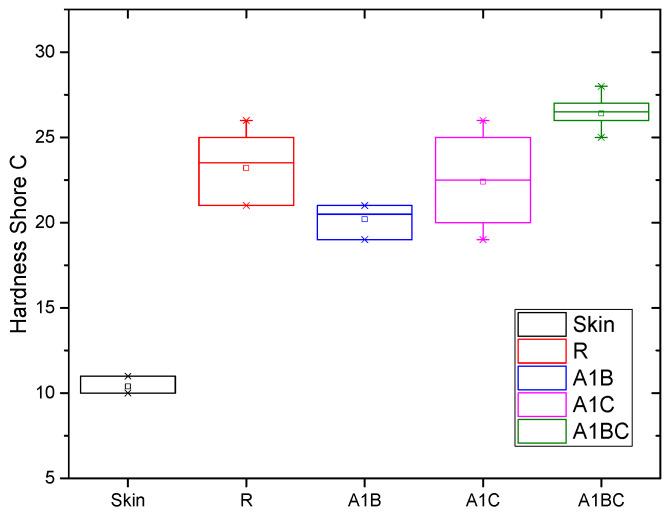
The increasing prevalence of acute traumas, surgical wounds, and chronic skin wounds poses significant therapeutic challenges for wound treatment. One of the main concerns in wound care is the danger of infection, which is a significant barrier to healing and a cause of higher morbidity and mortality rates. The emergence of drug-resistant bacterial species is becoming more frequent every day. Antimicrobial dressings have become a viable strategy for wound healing and hospital expense savings. Several factors, such as the wound's localization and state, microbial load, and cost, must be considered when choosing an appropriate antimicrobial dressing. One of the key goals of wound care is infection avoidance. This study addresses the therapeutic challenges of acute traumas, surgical wounds, and chronic skin wounds, focusing on infection prevention and combating drug-resistant bacterial strains. The research explores the development of novel composite wound dressings incorporating hydroxyapatite, known for its osteoconductive properties, and essential oils from basil and cinnamon, recognized for their antimicrobial activity. The study evaluates the impact of these additives on key properties such as surface morphology, water absorption, enzymatic degradation, and mechanical performance. Antimicrobial tests showed that two experimental samples (A1S and A1BS) exhibited significant activity against but not on . The results highlight the dressings' enhanced antimicrobial properties, mechanical strength, and controlled degradation, making them promising candidates for advanced wound healing. Tailored applications were identified, with each dressing composition offering unique benefits for specific wound-healing scenarios based on the balance between flexibility, structural support, and bioactivity.
急性创伤、手术伤口和慢性皮肤伤口的日益流行,给伤口治疗带来了重大的治疗挑战。伤口护理的主要担忧之一是感染风险,这是愈合的重大障碍,也是发病率和死亡率升高的原因。耐药细菌种类的出现日益频繁。抗菌敷料已成为促进伤口愈合和节省医院费用的可行策略。选择合适的抗菌敷料时,必须考虑几个因素,如伤口的位置和状态、微生物负荷和成本。伤口护理的关键目标之一是避免感染。本研究探讨了急性创伤、手术伤口和慢性皮肤伤口的治疗挑战,重点是预防感染和对抗耐药细菌菌株。该研究探索了新型复合伤口敷料的开发,这种敷料含有以骨传导特性闻名的羟基磷灰石,以及以抗菌活性著称的罗勒和肉桂精油。该研究评估了这些添加剂对诸如表面形态、吸水性、酶降解和机械性能等关键特性的影响。抗菌测试表明,两个实验样品(A1S和A1BS)对……表现出显著活性,但对……没有活性。结果突出了敷料增强的抗菌性能、机械强度和可控降解,使其成为促进伤口愈合的有前景的候选材料。确定了定制应用,每种敷料组合物基于柔韧性、结构支撑和生物活性之间的平衡,为特定的伤口愈合场景提供独特的益处。

 Zotero 插件