
脑神经元内化微米级聚合物胶囊:来自[具体研究1]和[具体研究2]的见解
Brain neurons internalise polymeric micron-sized capsules: Insights from and studies.
作者信息
Kopach Olga, Sindeeva Olga A, Zheng Kaiyu, McGowan Eleanor, Sukhorukov Gleb B, Rusakov Dmitri A
机构信息
Department of Clinical and Experimental Epilepsy, UCL Queen Square Institute of Neurology, University College London, London WC1N 3BG, UK.
Neuroscience and Cell Biology Research Institute, City St George's University of London, Cranmer Terrace, London SW17 0RE, UK.
出版信息
Mater Today Bio. 2025 Jan 21;31:101493. doi: 10.1016/j.mtbio.2025.101493. eCollection 2025 Apr.
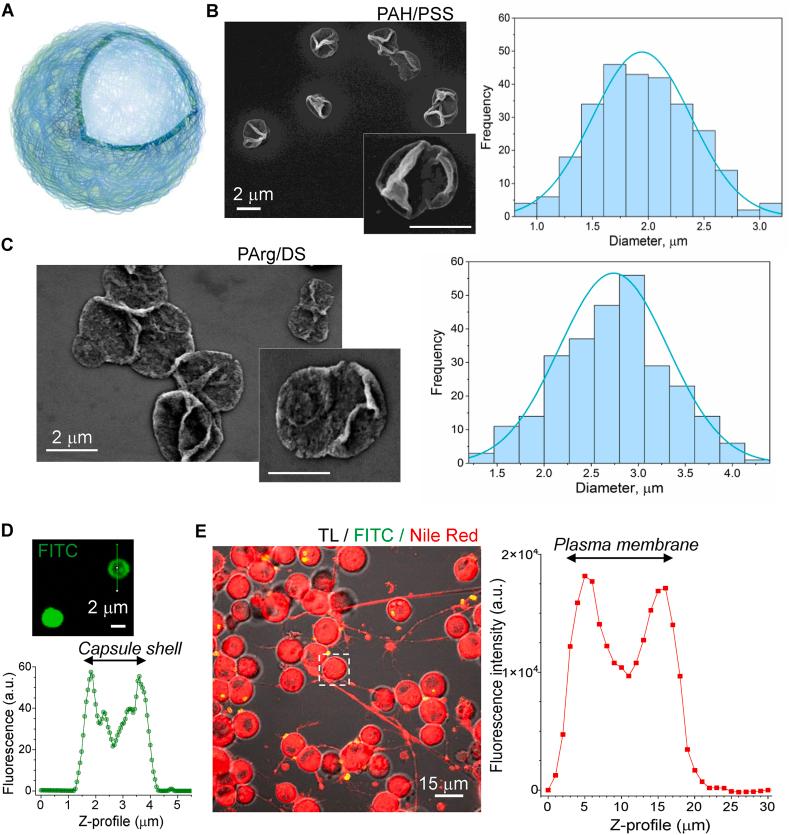
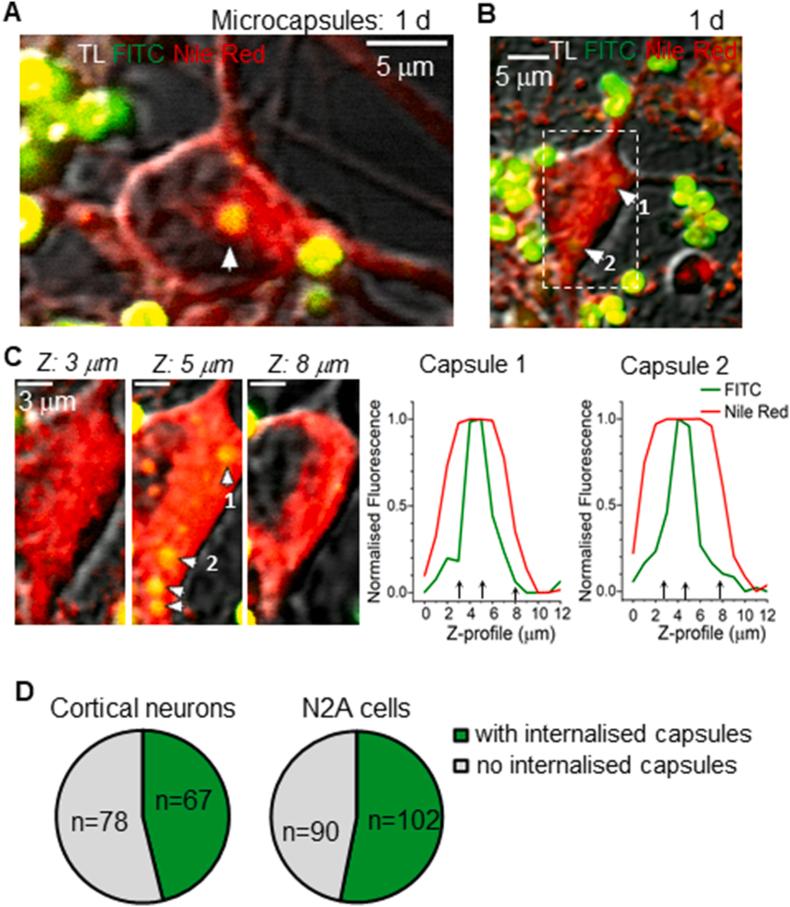
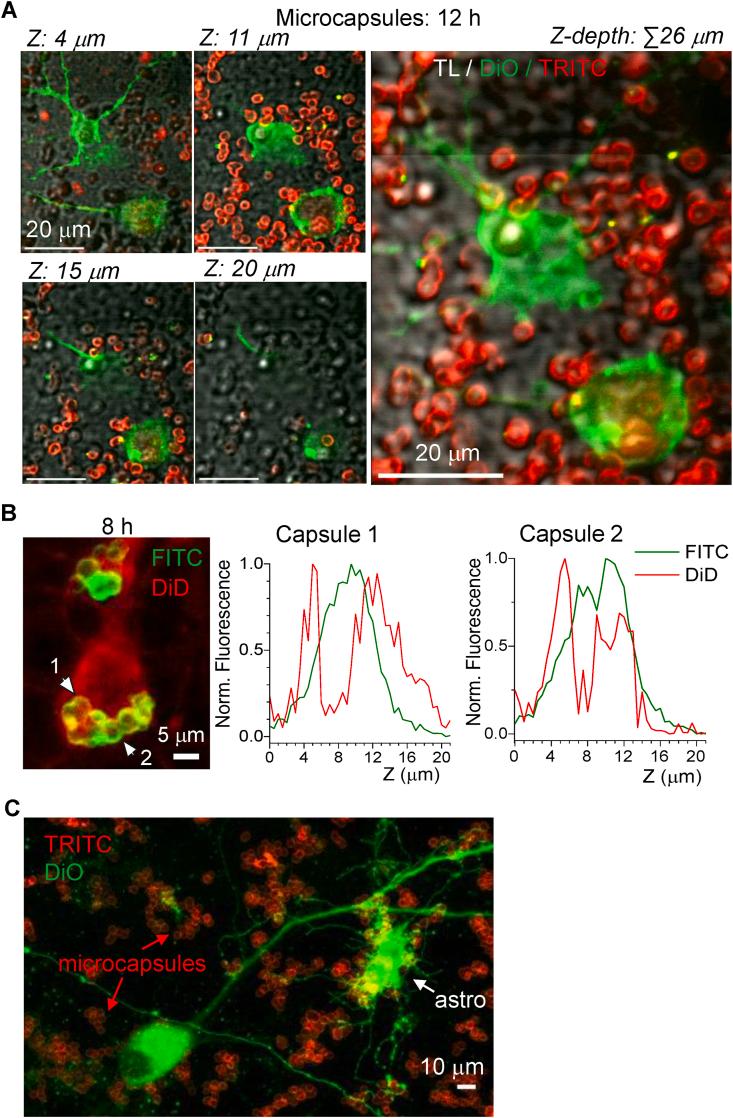
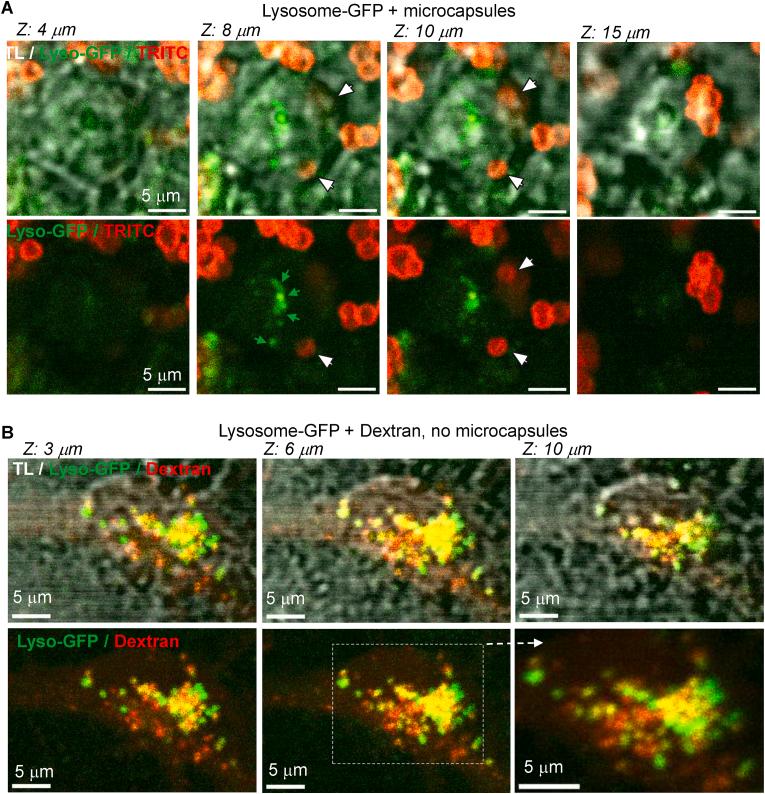
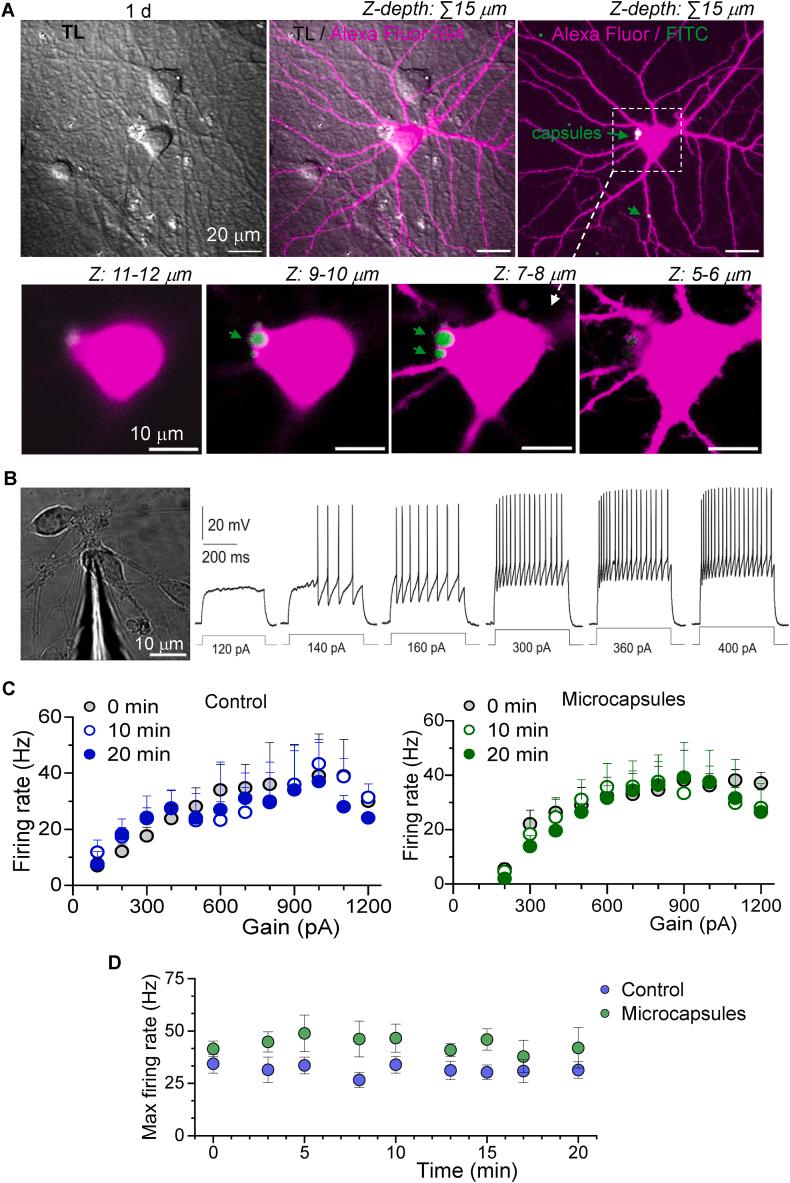
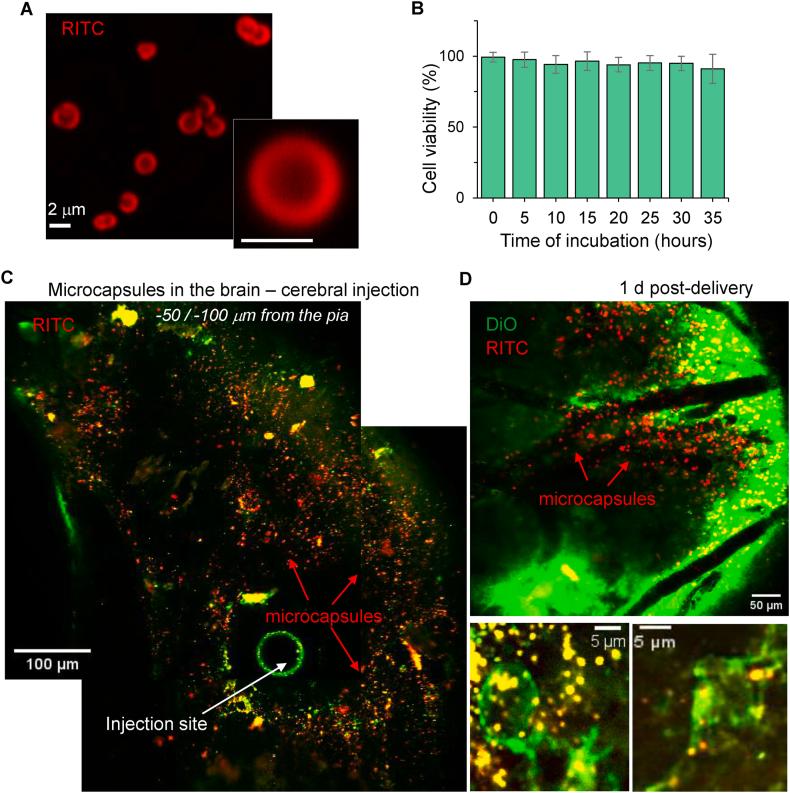
Nanoengineered encapsulation presents a promising strategy for targeted drug delivery to specific regions in the body. While polyelectrolyte-based biodegradable microcapsules can achieve highly localised drug release in tissues and cell cultures, delivering drugs to intracellular sites in the brain remains a significant challenge. In this study, we utilized advanced imaging techniques, both and , to investigate whether brain neurons can internalise polyelectrolyte-based microcapsules designed for drug delivery. High-resolution live-cell imaging revealed that differentiating N2A cells actively internalise microcapsules, often incorporating multiple capsules per cell. Likewise, primary hippocampal and cortical neurons were observed to effectively internalise polymeric microcapsules. In the intact brain, multiplexed two-photon excitation imaging confirmed the internalisation of microcapsules by cortical neurons following delivery to the somatosensory brain region. This internalisation was time-dependent, correlated with particle size and mediated by a macropinocytosis mechanism that appears to bypass lysosomal formation. Importantly, the presence of internalised microcapsules did not impair neuronal function, as neurons maintained normal firing activity and action potential characteristics. Furthermore, no adverse effects were observed after a week of microcapsule presence in the mouse brain. Our findings indicate that polymeric microcapsules are effective and safe carriers for intracellular drug delivery to brain neurons, providing a targeted approach with potential therapeutic applications.
纳米工程封装为将药物靶向递送至体内特定区域提供了一种很有前景的策略。虽然基于聚电解质的可生物降解微胶囊可以在组织和细胞培养物中实现高度局部化的药物释放,但将药物递送至脑内的细胞内位点仍然是一项重大挑战。在本研究中,我们利用先进的成像技术,即[具体技术1]和[具体技术2],来研究脑神经元是否能够内化用于药物递送的基于聚电解质的微胶囊。高分辨率活细胞成像显示,正在分化的N2A细胞会主动内化微胶囊,每个细胞通常会摄取多个胶囊。同样,观察到原代海马神经元和皮层神经元能有效内化聚合物微胶囊。在完整的大脑中,多重双光子激发成像[具体成像技术3]证实,将微胶囊递送至体感脑区后,皮层神经元会内化微胶囊。这种内化是时间依赖性的,与颗粒大小相关,并且由一种似乎绕过溶酶体形成的巨胞饮作用机制介导。重要的是,内化微胶囊的存在并未损害神经元功能,因为神经元维持了正常的放电活动和动作电位特征。此外,在小鼠脑中存在微胶囊一周后未观察到不良反应。我们的研究结果表明,聚合物微胶囊是将药物细胞内递送至脑神经元的有效且安全的载体,为潜在的治疗应用提供了一种靶向方法。




 Zotero 插件